
Publications
BSC faculty, fellows, and affiliates regularly publish research in a wide range of academic and policy venues. These include books, book chapters, working papers, articles, cases, and reports. In addition, we have hundreds of blog posts that you can read.
-
 Featured Book
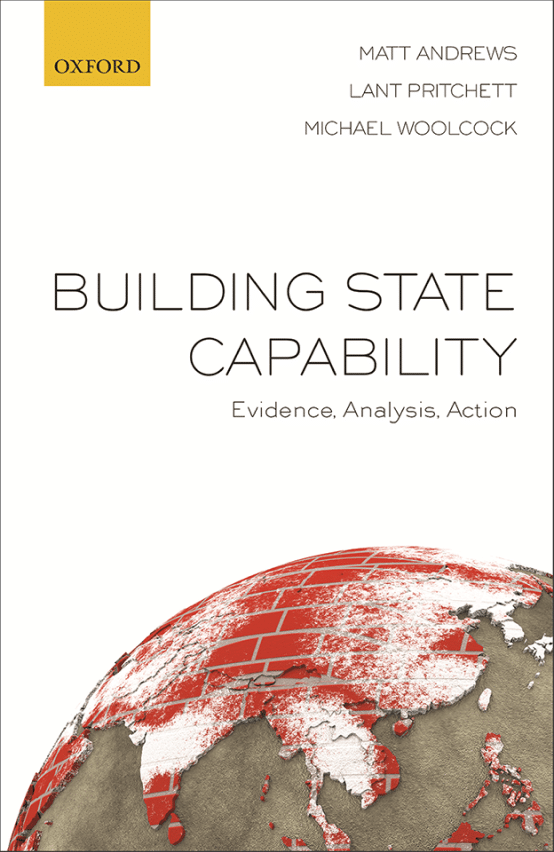
Building State Capability: Evidence, Analysis, Action
This book provides evidence of the capability shortfalls that currently exist in many countries, identifies capability traps that hold many governments back, and describes a process that can be used to escape these traps called PDIA (Problem Driven Iterative Adaptation).

Featured Publications
-
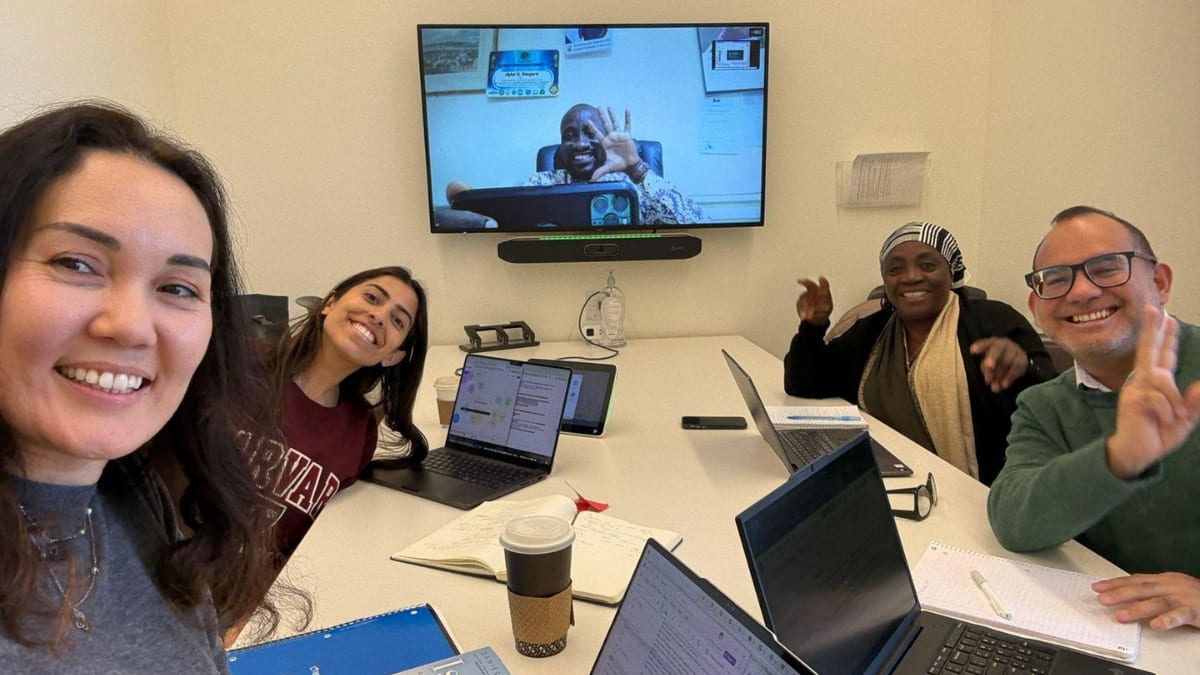
Tackling Learning Poverty in Sierra Leone’s Education System through the Lens of the PDIA
Guest blog by Irina Bilyalova, Orlando Carvajal, Vaiba Flomo, and Sonali Verma We were four students brought together by a shared interest in solving real-world problems. Three from the Harvard Kennedy School and one from the Harvard T.H. Chan School of Public Health. One of us was from the United States; three of us were…
-
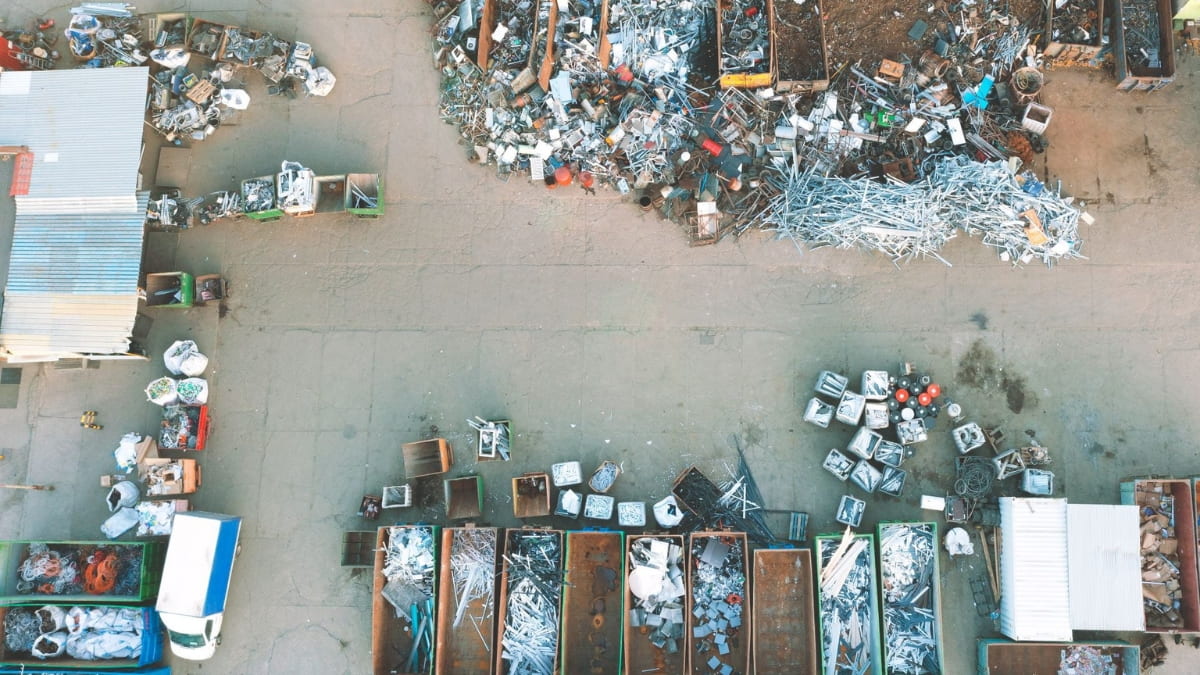
Case: Using PDIA to Transform Waste Management in Amman
In early 2022, the Greater Amman Municipality (GAM) faced a growing waste crisis. Given its population of 4.5 million people generating approximately 3,000 tons of solid municipal waste daily, half of Jordan’s total, the city’s rapid growth had significantly outpaced its waste management infrastructure. In response to this challenge, a remarkable two-year transformation using Problem-Driven…
-

Can Outsiders Help Build State Capability? Lessons from Ted Lasso
Gaps between potential and performance are common in states across the globe. This paper argues that these gaps represent differences in state capability, and compares Ted Lasso to how outside actors can impact that capability.

All Publications
SEARCH
Topic
Format
Publication Year
-
Applying Systems Thinking to Education: Using the RISE Systems Framework to Diagnose Education Systems
Education systems across the world struggle to improve themselves because they fail to address the stagnant elements of their frameworks. The RISE outline provides a useful way to examine education systems objectively and promote positive change.
-
A Public Value Approach to Analyzing and Intervening in National Educational Systems
Educational systems are built by a complex array of social actors that function together to create the field. In developing countries, national governments seem to place more emphasis on their agency and less on the system itself. This analysis answers the complicated question of how we can build strategic capacity in educational systems.
-
Tackling the Learning Crisis in Indonesia
Indonesia is facing a learning crisis. While schooling has increased dramatically in the last 30 years, the quality of education has remained mediocre. A team of researchers affiliated with the RISE Programme at SMERU, an Indonesia think tank, adapted the Problem Driven Iterative Adaptation (PDIA) approach and deployed it in four district governments.
-
The Way Forward in Analyzing National Educational Systems: A Re-Considered View
This paper outlines foundational changes that can be made by global policy makers to improve educational systems in low- and middle-income countries around the world.
-
Evaluating Systems: Three Approaches for Analyzing Education Systems and Informing Action
In low- and middle-income countries, education systems struggle without constant support. This work outlines a systems approach to learning improvement.
-
A Problem-Driven Approach to Education Reform: The Story of Sobral in Brazil
This paper explores the transformation of Sobral’s education system through the lens of PDIA, with an emphasis on the reform period from 2000-2004.
-
Education Reform in Sobral, Brazil
For more than two decades, the Brazilian municipality of Sobral has focused intensively on improving the quality of its public education system; the resulting success has been remarkable. This paper explores the transformation of Sobral’s education system through the lens of PDIA, with an emphasis on the reform period from 2000-2004.
-
PDIA for Systems Change: Tackling the Learning Crisis in Indonesia
This work is a look inside the Indonesian education system. Researchers explored the several challenges leaders face, along with potential solutions provided from a PDIA approach.
-
Funda Wande through the Lens of PDIA: Showcasing a Flexible and Iterative Learning Approach to Improving Educational Outcomes
An insight into how a PDIA approach can create positive learning outcomes in the education sector.
-
Improving Educational Outcomes in South Africa
Funda Wande is a non-profit organization with the goal of ensuring all students in South Africa can read for meaning and calculate with confidence in their home language by the age of 10. They develop curricula, videos, and print materials to train teachers in the fundamentals of foundational learning and have adopted a “learning by…