

Publications
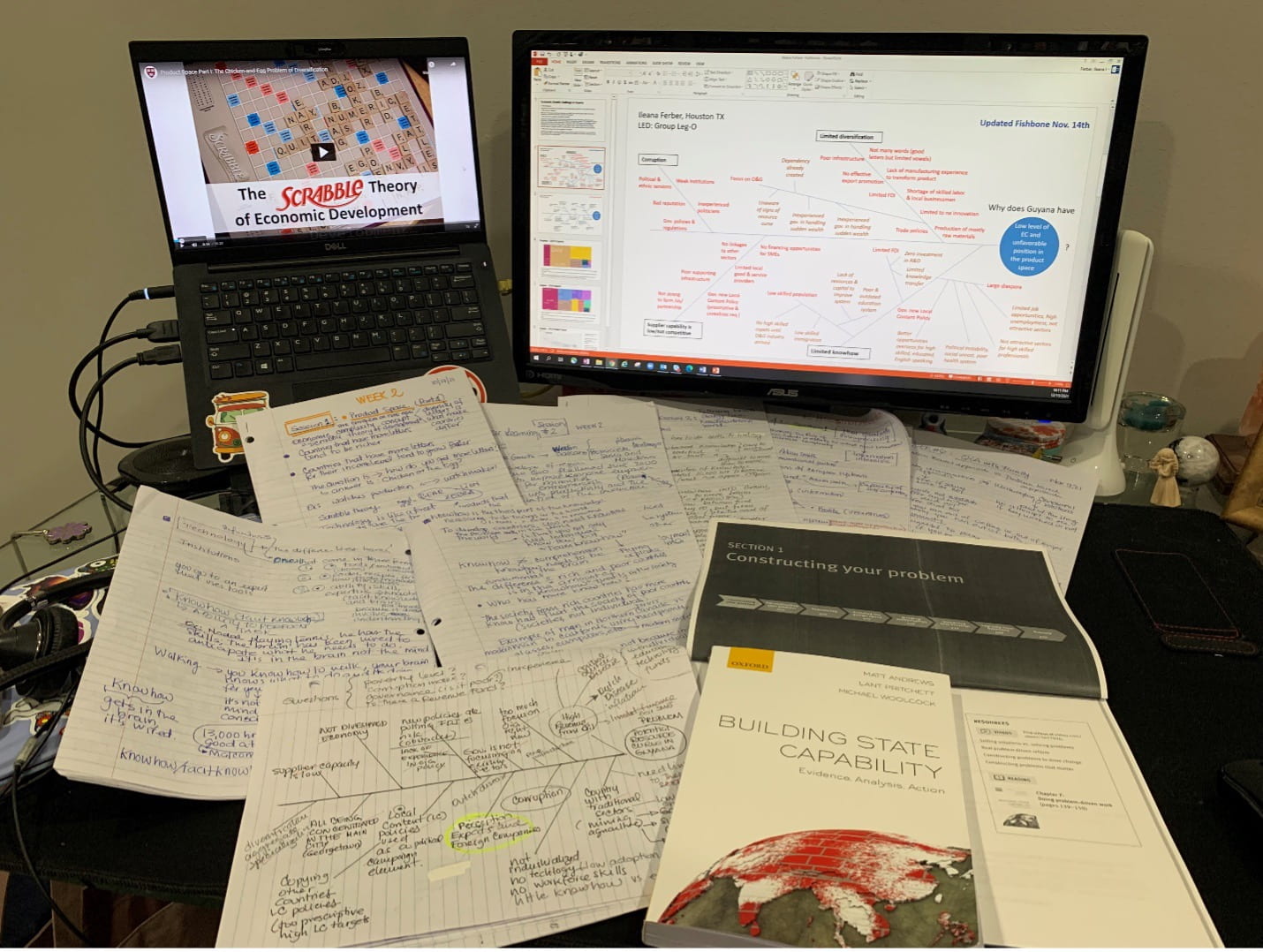
BSC faculty, fellows, and affiliates regularly publish research in a wide range of academic and policy venues. These include books, book chapters, working papers, articles, cases, and reports. In addition, we have hundreds of blog posts that you can read.
-
 Featured Book
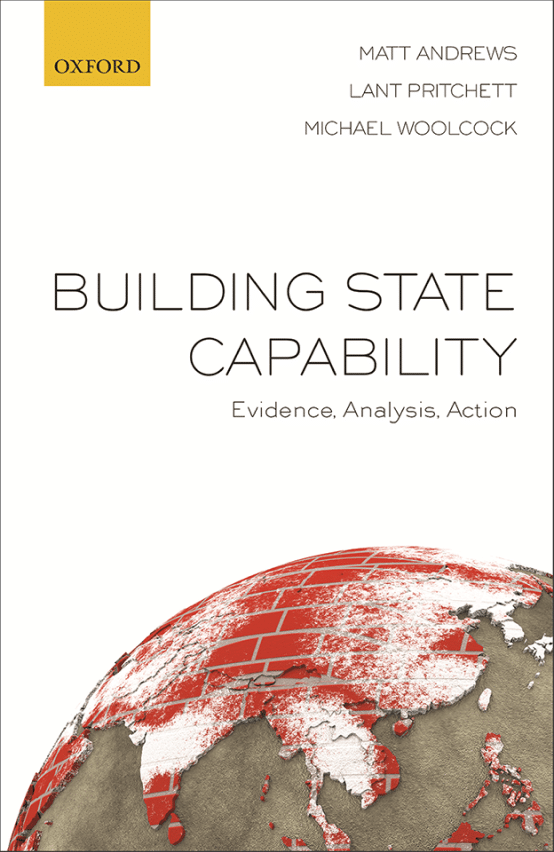
Building State Capability: Evidence, Analysis, Action
This book provides evidence of the capability shortfalls that currently exist in many countries, identifies capability traps that hold many governments back, and describes a process that can be used to escape these traps called PDIA (Problem Driven Iterative Adaptation).

Featured Publications
-
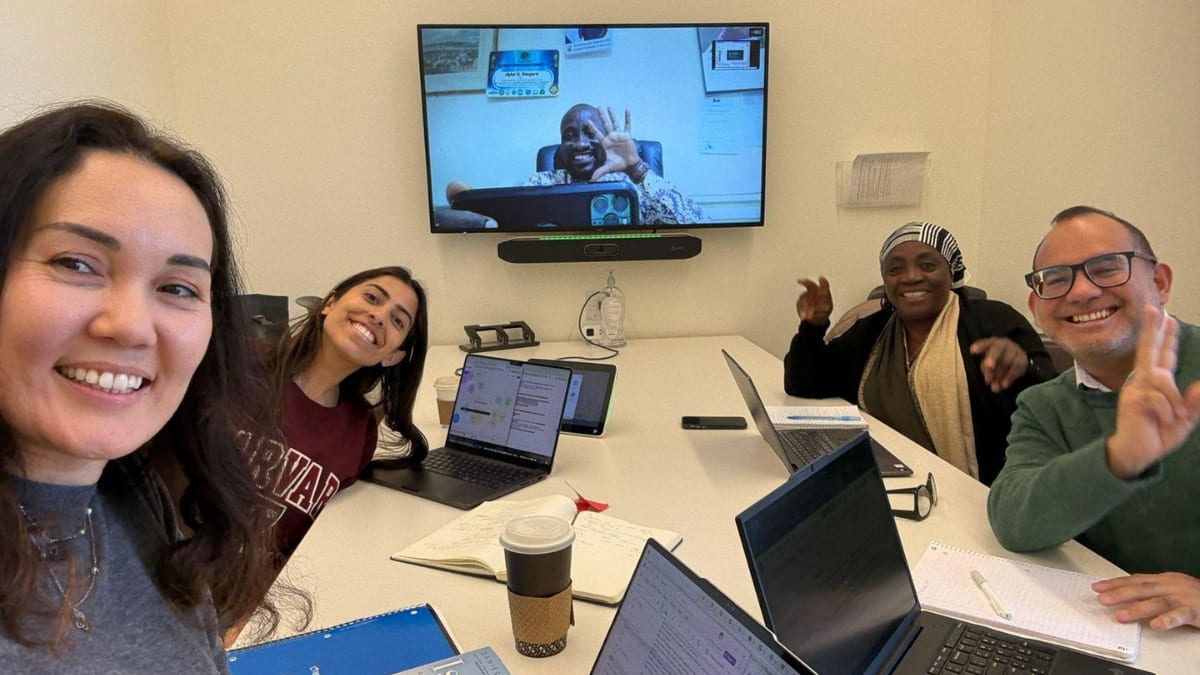
Tackling Learning Poverty in Sierra Leone’s Education System through the Lens of the PDIA
Guest blog by Irina Bilyalova, Orlando Carvajal, Vaiba Flomo, and Sonali Verma We were four students brought together by a shared interest in solving real-world problems. Three from the Harvard Kennedy School and one from the Harvard T.H. Chan School of Public Health. One of us was from the United States; three of us were…
-

Case: Using PDIA to Transform Waste Management in Amman
In early 2022, the Greater Amman Municipality (GAM) faced a growing waste crisis. Given its population of 4.5 million people generating approximately 3,000 tons of solid municipal waste daily, half of Jordan’s total, the city’s rapid growth had significantly outpaced its waste management infrastructure. In response to this challenge, a remarkable two-year transformation using Problem-Driven…
-

Can Outsiders Help Build State Capability? Lessons from Ted Lasso
Gaps between potential and performance are common in states across the globe. This paper argues that these gaps represent differences in state capability, and compares Ted Lasso to how outside actors can impact that capability.

All Publications
SEARCH
Topic
Format
Publication Year
-
Malawi’s Cashgate Scandal
Malawi’s anti-corruption reforms centered on implementing IFMIS, but repeated attempts from 1995 – 2012 faced technical failures, mismanagement, and political resistance, culminating in the 2013 “Cashgate” scandal that exposed major system flaws. Despite renewed efforts to replace IFMIS with a more secure version, experts warned that real reform requires addressing deeper political and cultural challenges,…
-
Finding Entry Points and Sequencing Adaptive Work
The mayor of Blueville implemented a new recycling policy initiative after being elected, however, the amount of plastic waste on city streets remained, partly because few constituents collected and delivered recyclables. This case details the team’s response to this issue and their process in identifying entry points and sequencing the work.
-
Tackling the Learning Crisis in Indonesia
Indonesia is facing a learning crisis. While schooling has increased dramatically in the last 30 years, the quality of education has remained mediocre. A team of researchers affiliated with the RISE Programme at SMERU, an Indonesia think tank, adapted the Problem Driven Iterative Adaptation (PDIA) approach and deployed it in four district governments.
-
Using PDIA to Improve Waste Management in Amman
In 2022, the Greater Amman Municipality (GAM) faced a growing waste crisis. The city’s rapid growth and population size had significantly outpaced its waste management infrastructure. In response to this challenge, a remarkable two-year transformation using PDIA took place that not only improved waste collection efficiency, but fundamentally changed how departments collaborated across GAM’s large…
-
Education Reform in Sobral, Brazil
For more than two decades, the Brazilian municipality of Sobral has focused intensively on improving the quality of its public education system; the resulting success has been remarkable. This paper explores the transformation of Sobral’s education system through the lens of PDIA, with an emphasis on the reform period from 2000-2004.
-
Improving Educational Outcomes in South Africa
Funda Wande is a non-profit organization with the goal of ensuring all students in South Africa can read for meaning and calculate with confidence in their home language by the age of 10. They develop curricula, videos, and print materials to train teachers in the fundamentals of foundational learning and have adopted a “learning by…
-
Increasing the Use of Digital Health in Croatia
The government of Croatia has been committed to adopting digital policy solutions for years. The health sector was a focal point of this commitment. As is the case in many countries, Croatia’s health system is quite bureaucratic and generates lots of data—about patients and their care—in bureaucratic silos. The scattered nature of this data has…
-
An Adaptive Recycling Policy in Blueville
The mayor of Blueville was elected on the basis of a strong environmental message. She promised, especially, to promote recycling in the city, reducing the amount of plastic goods on city streets. A year after implementing a new recycling policy initiative, however, the amount of plastic waste on city streets remained, partly because few constituents…
-
Contributing to a Problem Driven Project in Mozambique
This case details our experience working with a broad group of officials across Mozambique’s public financial management (PFM) sector, and donors (particularly the World Bank) between March 2010 and December 2013.
-
PDIA to Inform Budget Reform in Mozambique
Mozambique’s Ministry of Economy and Finance (MEF) had come to the end of a ten year public financial management (PFM) reform initiative. While widely hailed as a success, some observers were concerned about compliance gaps and weaknesses in the system. Between September and December 2009, we worked with officials in Mozambique’s public financial management sector…