

Identifying the Binding Constraint in Liberia’s Domestic Debt Market Development
Guest blog by Euphemia Swen-Monmia, LEG ’25
Over the past 10 weeks in the Harvard Kennedy School Leading Economic Growth course, I embarked on a transformative learning journey—one that challenged me to rethink how we diagnose and solve complex economic problems. My focus was Liberia’s underdeveloped domestic debt market, a structural constraint that limits private sector financing and inclusive growth. This blog shares my key takeaways, progress on my growth challenge, and how I plan to apply these lessons moving forward.
Key Ideas and Learnings
Complex Problems Require Adaptive Solutions
I learned that Liberia’s financial market challenges are not just complicated—they are complex. They involve multiple actors, unpredictable shocks, and systemic constraints. A “one-size-fits-all” solution doesn’t work. Instead, iterative approaches like Problem-Driven Iterative Adaptation (PDIA) allow us to learn, adapt, and refine strategies as we go.
The Power of Asking “Why”
One of the most practical tools I gained was the ability to repeatedly ask “why” to uncover root causes. For instance, while preparing a brief on developing Liberia’s domestic debt market, I proposed a problem-driven iteration session to deeply examine the challenges. Through these sessions, we discovered that the extensive list of actions recommended in a previous study by development partners could be narrowed down to one critical issue—our shallow secondary market that constrain price discovery, transparency and liquidity of securities.
Knowhow Matters More Than Schooling
A recurring theme was that economic growth depends on knowhow in critical sectors and fields that will drive growth —not just formal education. Importing knowhow in targeted areas could lead to faster growth. Bringing this to my context, allowing an experience capital market firm could increase the capital markets expertise needed in the private sector and attract more expertise that could speed up market development and growth faster.
Focus on Binding Constraints
Rather than pursuing a laundry list of reforms, I learned to identify and tackle the binding constraint—the single most critical obstacle that, if addressed, unlocks progress. During the sessions we had as mentioned under the power of asking why, the absence of a secondary trading platform emerged as the binding constraint. This gap emerged as a major barrier to market growth. As a result, our focus shifted toward establishing a trading platform to develop the secondary market first, which would ensure full utilization of existing regulations and products, making them more effective. As opposed to prioritizing the development of more regulations for additional market products that were not the binding constraint but were listed in previous studies commissioned by development partners as priority areas. Our focus is on acquiring and deploying a secondary trading platform that would allow the primary dealers to offload securities purchased on the primary market and provide funds for subscription of subsequent issuances. It will also allow retail investors to trade on the secondary market where there would be transparency and price discovery that attracts more investors and issuers alike.
Progress on My Growth Challenge
My challenge was clear: The Absence of a Developed Domestic Debt Market: A Barrier to Private Sector Financing and Inclusive Economic Growth.
Over the 10 weeks, I:
- Mapped the Problem using fishbone diagrams to identify root causes—weak sovereign repayment practices, incomplete regulatory frameworks, capacity gaps, low investor confidence and secondary trading platform
- Identified Entry Points for action: acquisition and deployment of a secondary market trading platform.
- Engaged Stakeholders through internal discussions at the Central Bank of Liberia (CBL) Ministry of Finance and commercial banks to validate constraints and explore solutions.
- Developed a Mini-Strategy anchored in PDIA principles: start small, learn from each iteration, and scale reforms gradually.
One breakthrough moment was realizing through the PDIA approach and identifying the binding constraint that the secondary market is the binding constraint to market development.
Using What I Learned
I am already applying these lessons in my role as Director of Financial Markets at the CBL and will continue in the following areas:
- Policy Briefs and Diagnostics: I now structure briefs using PDIA principles, focusing on root causes and feasible entry points.
- Stakeholder Engagement: I convene cross-functional teams to co-create solutions, ensuring reforms are context-specific and politically acceptable.
- Green Finance Integration: Inspired by the course’s module on energy transition, I am in the initial stages of exploring green bonds as a tool for Liberia to mobilize financing for renewable energy projects—aligning climate action with market development.
While I have made progress, a few questions remain: How do we balance market development with fiscal discipline in a resource-constrained environment? What governance structures best support iterative, learning-focused reforms in fragile states?
This course was more than an academic exercise—it was a practical toolkit for real-world problem-solving. It taught me that growth is not just about numbers; it’s about building systems, trust, and capabilities one iteration at a time. Liberia’s journey to a robust domestic debt market will be long, but with adaptive strategies and collaborative leadership, it is achievable.
I invite fellow policymakers, development partners, and financial market practitioners to join this conversation. Let’s share ideas, test solutions, and build markets that drive inclusive growth in Liberia and beyond.
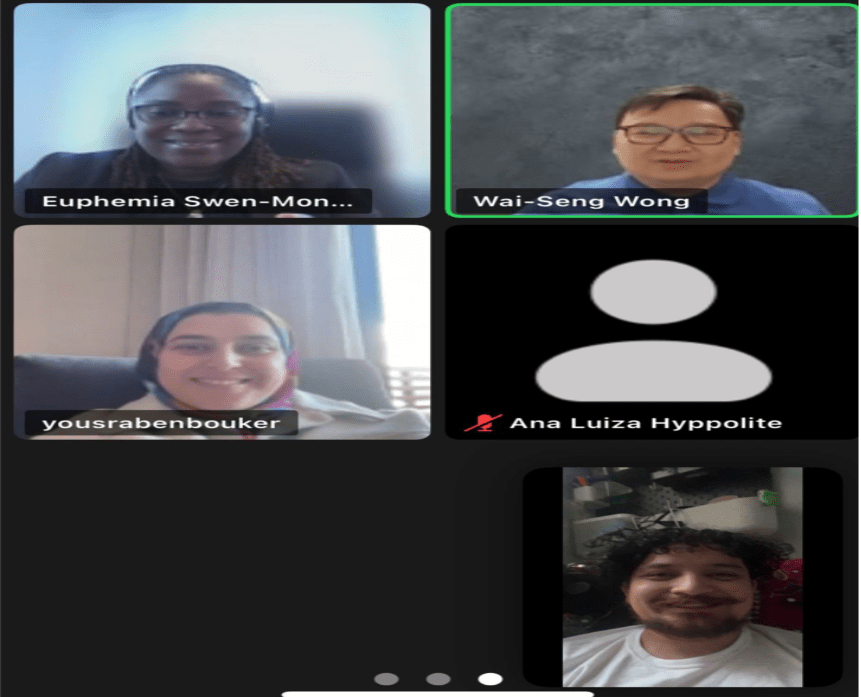
Leading Economic Growth Group Session
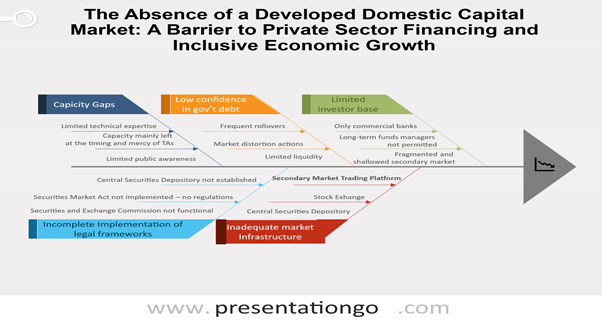
Fishbone diagram of Liberia’s debt market constraints
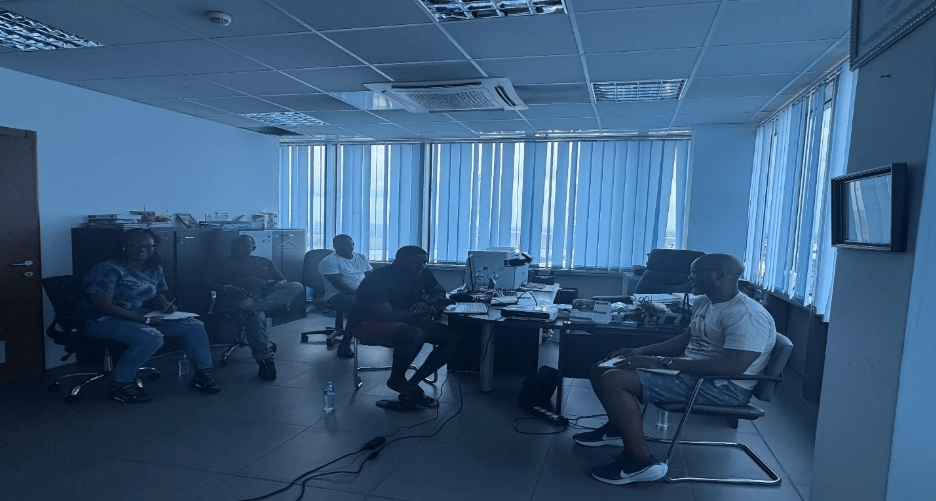
Brainstorming sessions
This is a blog series written by the alumni of the Leading Economic Growth Executive Education Program at the Harvard Kennedy School. 63 Participants successfully completed this 10-week online course in December 2025. These are their learning journey stories.