
Doing Development Differently: Day 1 Summary
Today was the first day of Doing Development Differently (#differentdev). It was a full day with two DDD Exchange Sessions, a design thinking session and a wind tunnel meeting. View […]

Today was the first day of Doing Development Differently (#differentdev). It was a full day with two DDD Exchange Sessions, a design thinking session and a wind tunnel meeting. View […]
Last October, we hosted a one-day workshop entitled, Untying Development: Promoting Governance and Government with Impact. The day brought together different voices to discuss the challenge of creating a governance […]
written by Salimah Samji International development experts often tell us that they cannot do PDIA because the project processes within their organizations do not allow for flexibility. The truth however, […]

written by Matt Andrews Earlier this week, the New York Times ran the following great Op-ed on the lack of administrative focus in governance systems. This is an important article. […]
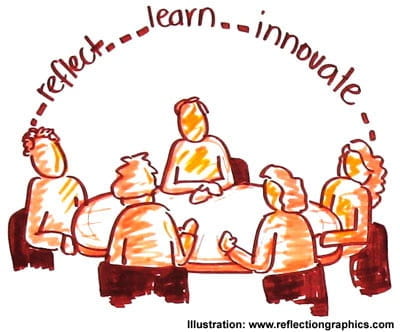
written by Matt Andrews Action learning is a key part of PDIA. It is “a hybrid technique that allows participants to use what they learn to tackle priority problems within […]
Matt Andrews teaches a course entitled “Getting Things Done: Management in the Development Context,” at the Harvard Kennedy School. He often gets asked about what he teaches in his course. […]
The coherence and effectiveness of engagement with the world’s ‘fragile and conflict-affected states’—beyond ethical imperatives and geo-strategic considerations—turns on answers to two vexing questions. First, on what defensible basis is […]

written by Matt Andrews What do you do if your government has been pursuing reforms for years, with apparent success, but your economy is still not growing? What do you […]
Data is an important part of state functionality. If states want to be capable they need to know where people are, how many people there are, etc. in order to […]
Do appearances matter as much as action does? We often forget that governments exist to do and not just to be. We thus focus on the means of being rather […]