
Using PDIA to Examine Unemployment in Jordan
Guest Blog by Iman Kharabshen LEG ’22
The main challenge facing Jordan is how to stimulate strong, real and sustainable economic growth that contributes to creating new jobs in the Jordanian national economy. The permanent advice received by all countries that suffer from high unemployment rates is to work to stimulate economic growth, as growth is the most important economic engine. We must focus on raising its rate through stimulating investment and revitalizing economic sectors and focusing on the innovative industries generated for job opportunities.
There are many things I learned over the past ten weeks:
- Using the PDIA approach where PDIA is about building capacity through the process of first solving critical problems and then identifying potential entry points for solutions (eg problem solving, identifying root causes, thinking about structural weaknesses).
- I learned through this course that using the per capita GDP indicator alone as an indicator to measure the extent of growth is not effective in some cases. We need to look at all factors such as inclusiveness and sustainability.
- Focusing on a long list of solutions may not be effective in some cases, and the results of which may not be satisfactory because this list is likely to not include reforming the main cause or constraint that limits growth. Therefore, we must focus on the binding constraint. We can reach the main reason behind the obstacles to economic growth.
- I also learned to look at the product space and how I can use it to develop other industries, especially where Jordan has a good export basket and also has a large group of educated youth who have latent energies, and these energies can be exploited to develop new industries.
- Investing in knowledge management and retention by providing a suitable environment for scientific research and creativity, in addition to increasing spending on scientific research, and using their expertise to issues where the necessary competencies are available locally instead of using foreign experts.
- The use of fishbone and the need to keep asking why I know the challenges are both complex and complex, but by breaking them down and identifying the binding constraints to break down the critical problem into small problems, there is a tunnel at the end.
- There is a need to promote creativity and freedom in designing economic growth strategies. There should be more letters to play with in the product space. We will need to diversify and ensure that we have sufficient resources for this process so that we can move forward.
- The implementation of the growth strategy requires the acceptance of authority and the use of the concept of a high-bandwidth institution with legitimacy and authority as a communication mechanism to enhance the understanding of why the country / city is not growing and work to facilitate information from the private sector to the public sector to solve the problem of growth and in coordination with stakeholders to facilitate communication among them.
- Dealing with growth with a longer-term view and taking social, economic and environmental justice into account must be a top priority. Inclusive growth is the path of the country’s economic development.
I’ve learned over the past 10 weeks that focusing only on the present and making quick decisions about the future is never a good idea. Solving growth problems and obstacles to economic growth requires an investment of time and energy in thinking.
Throughout this course, I started thinking about the entry points that constitute the beginning of solving the growth problem of “unemployment” through the use of the fish model. This is a new idea I have learned through this course. I have identified entry points to solve this problem, which are determining the sectors that generate investment and exports and that generate job opportunities, but there are still some questions that revolve in my mind, namely, how do I start working on identifying sectors with an economic advantage in which feasible investment opportunities are available? What are the constraints facing these sectors and limiting their contribution to investment and export? What is the mechanism that the government will provide support to these sectors to motivate them to attract investments and increase the volume of exports?
And also think about the product space, especially that the Jordanian economy enjoys a great diversity in its products and has the ability to produce new products with a highly competitive ability, and it must use its current production base and take advantage of the available opportunities and exploit this diversity to increase its export basket. Jordan has great production capabilities and its products are characterized by efficiency, quality and its ability to increase the level of complexity of the products that it currently manufactures. Especially when I made my observations to Alice’s website, I found that Jordan’s economic complexity index in 2010 was better than in 2018, so I think we have the ability to work on improving the current situation.
Finally, Implementing growth strategy requires authority, ability, acceptance, an iterative approach to problem solving and high bandwidth teams that tie to the right levels of authority to make incremental progress and show legitimacy.
This is a blog series written by the alumni of the Leading Economic Growth Executive Education Program at the Harvard Kennedy School. 71 Participants successfully completed this 10-week online course in May 2022. These are their learning journey stories.
Broadening the Sense of ‘Us’: Exploring LEG Principles in Western Australia
Guest Blog by Pippa Hepburn, LEG ’22
When we started Leading Economic Growth (LEG) ten weeks ago, I was confused by the repeated assertions from Keisha and the teaching staff that they were ‘excited’. I figured, like any good laconic Australian, that they would surely tire of this pretence and I would eventually see the real people behind the energetic façade.
Ten weeks later, I’ve stopped waiting for any masks to slip. Week after week, I have been privileged to learn from brilliant, passionate people who care about their work and the communities they work for. There is no sign that the LEG team is anything other than deeply committed to economic growth for the greater good of humanity.
We are told that leadership is by example, and we should try to embody the principles we most admire. I have experienced the LEG team lead us by example to a better way of approaching our work and understanding our economic environment. They live it and they teach it – and it was obvious from the final course presentations that they have a profound effect on their students.
I was born outside Australia and raised here by rather un-Australian parents. No sports or meat pies were consumed in my household. My sense of the Australian ‘Us’ has been informed by years of careful study of my fellow citizens and I have retained a suspicion that I am not quite ‘one of Us’. However, while I completed LEG and talked with my beautiful team members Jorge, Mauro, Olivier, Sisay and Beto, I discovered just how Australian I am. I also realised that my thinking has become parochial and complacent. These realisations have opened my mind to many possibilities for personal growth and development. Far from being scared by this, I am encouraged to try harder and learn more.
In my application to LEG, I described my love for the small inland towns of the Great Southern region of Western Australia, and my concern regarding their ever-dwindling populations. I was focused on the lack of opportunities for these communities, and the vicious cycle of opportunity loss leading to emigration and further population decline.
Now that I have completed the course, I might express my concern that these small towns exist in a regional economy that is insufficiently complex, with only a few simple exports and poor access to the inputs that provide opportunities for growth. I might also risk offering the opinion that economic growth in Western Australia is not inclusive and there is insufficient State investment to improve access to these inputs in my region.
I might further suggest that, if the binding constraints such as water supply, power grid access and digital connectivity are relieved, and new industries are developed, the people in these small towns will need to ensure their own growth is inclusive. To have a truly prosperous region, we need to broaden the sense of ‘Us’ to embrace diversity and harness the knowhow that exists in the new, different, and marginalized sectors of our population. We need to stop importing people for labour and ignoring their talents and ambitions. We need to value Others and make them Us.
However, this is only my opinion. Instead of telling people what I think, I want to gather a group of representatives from around the region and ask them to join me in seeking the truths behind our situation. I will try (and fail) to muster the eloquence and vitality of Matt Andrews when discussing the complex nature of our problem. I will introduce tools such as fishbone diagrams and growth diagnostics to analyse our problem. Our group members will be inspired to reach out to others and form their own groups, expanding the circles of connection and knowledge and seeking information from many people in a coordinated yet non-hierarchical manner.
Applying Lessons on PDIA and Product Space to Investment Promotion in Ethiopia
Guest Blog by Meleket Denbu, LEG ’22
I would like to begin by extending my deepest gratitude to the LEG team (professors, coordinators, and TAs). The past ten weeks have been truly amazing in terms of broadening my perspective on the necessary tools and techniques for leading economic growth. Not only that, the program gave me an opportunity to network with like-minded people who are pursuing to bring change in different countries across the globe. The three most important takeaways for me were:
(1) PDIA – I found the problem-driven iterative approach creative in delivering solutions that are tailored to different countries’ contexts. In the same line, I personally benefited from the fishbone diagram as it provided me with the right understanding to analyze the cause and effects of growth challenges. Furthermore, the 3A’s, which are authority, acceptability, and ability provided me with important insights for selecting immediate policy actions.
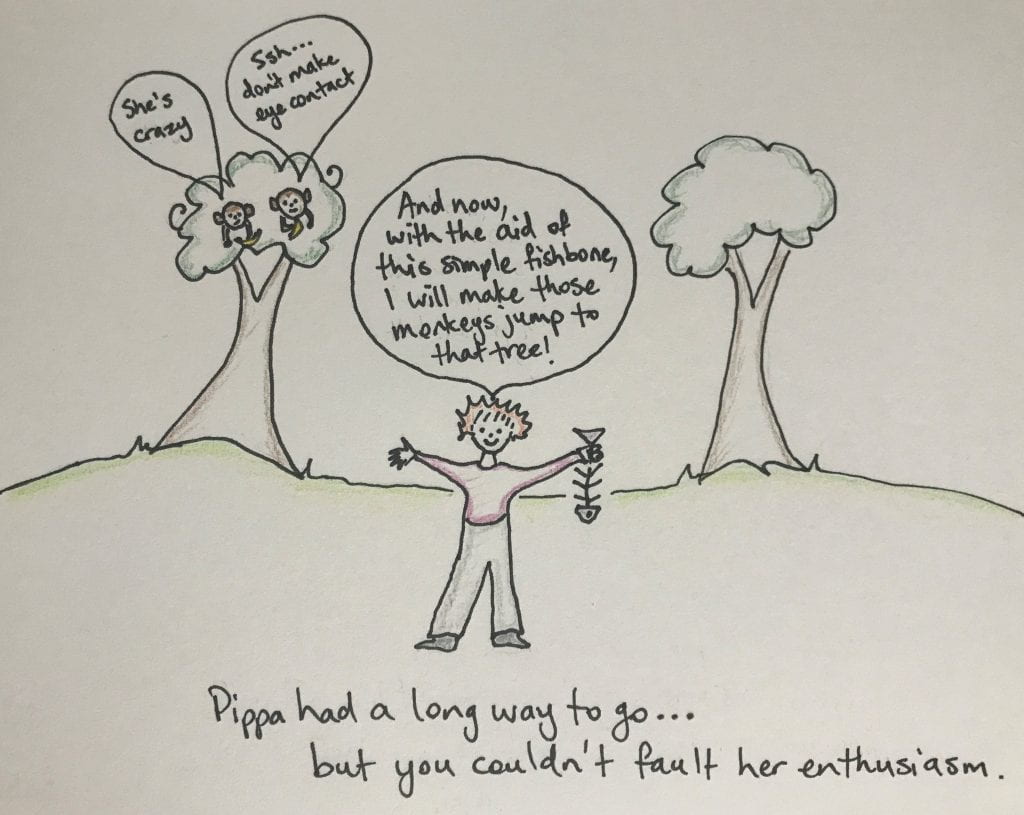
(2) Product Space – The concept of the product space and the scrabble theory was a complete eye-opener for understanding the path to incremental growth and diversifying the base of the economy (by jumping into nearby trees). On a related note, the discussion on the different methods of know-how presented critical interventions for achieving desired growth.
(3) Inclusive growth – The conversation on inequality and inclusiveness taught me that the extent of inclusiveness in building growth is equally important to the actual monetized value of growth. It has become evident to me that building sustainable growth requires putting the inclusion agenda at the core.
Each week presented immense knowledge towards understanding my growth challenge and the paths to providing potential remedies. Week 1 and Week 2 challenged my understanding of the various growth challenges witnessed by my country. The assignments pushed me to critically review each challenge and prioritize taking into coordination the objective of the course. The lecture on the PDIA approach was mindset shifting experience for me. The approach presented hands-on techniques for resolving complex growth challenges. The case studies ignited hope in me and made me believe that change is possible if the right steps are taken to so solve problems. The ‘Rock Song’ chart presented by Prof. Ricardo enabled me to locate my country’s position in the product space. Furthermore, the Atlas economic complexity portal helps visualize and understand the progress of various countries following the continuous improvement in export diversification.
The lecture in Week 3 provided me guidance on how I should think about the root causes of my growth challenge. The exercise of designing a fishbone diagram enabled me to distill the causes of my growth challenge while also identifying the right entry points for immediate policy interventions. The 3A’s helped me to critically think about what authority, acceptance, and ability I must influence to witness change in my growth challenge. For instance, in addressing the challenges of export diversification in my country Ethiopia I have realized that the most realistic first step is improving the coordination between (1) government offices, (2) firms in interlinked industries, and (3) government and the different associations representing the private sector.
During Week 4 the concept of high bandwidth institutions highlighted the important steps that can improve the collaboration among various stakeholders so as to introduce horizontal and vertical policy interventions. The two-dimension policy classification approach provided me with key insights on methods of identifying missing public goods for high-potential growth areas. Here, I realized the importance of posing the question as to whether solving my growth requires the provision of public goods or tilting the profitability space.
In Week 5 the important advice provided by Prof. Ricardo Hausmann is the necessity of focusing on understanding why a growth challenge exists as opposed to concentrating on what the challenge is. In addition, the steps outlined in diagnosing growth challenges. The first step in this process is clearly formulating my growth question and then (as step two) delving into the diagnostic tree on the basis of the four principles. These principles relate to questioning (1) whether the constraint has a high price, (2) movement in the constraint must also reflect the change in other areas, and (3) the growth challenge must be a “Hippo rather than a Camel” meaning its existence affects the existence of other related sectors, and (4) the challenge must be a “Hippo in the Desert” – meaning the problem must be a headache for others as well.
Week 6 assisted me in rigorously reviewing my fishbone diagram to make further improvements and to identify the right actors that can champion the implementation of suggested solutions. Another key takeaway was the relevance of identifying unique opportunities that can help me to design entry design. The iteration and re-iteration on fishbone enabled me to identify additional entry points, other than collaboration, concerning improving know-how and access to foreign currency. The entry points with regard to collaboration include (1) improving the collaboration between the government and private sector, (2) enhancing the networking among interlined industries in the private sector, and (3) better incentivizing government entities to work together to support export. The second entry point (improving know-how) mainly focused on tapping into the know-how accumulated by the diaspora. The third entry point which focused on increasing the foreign currency focused on the FX allocation system implemented by the National Bank of Ethiopia.
The lessons in Week 7 and Week 8 helped me to rethink the strength and weaknesses of the PDI approach. It also enabled me to identify the main authorizers of the growth challenge I am working on. The learnings from the Sri Lanka experience gave me the space to think about how to convene teams for the entry points and to identify positive deviance I can further build on.
The lesson on inequality in Week 8 and lessons on inclusion and diversity in Week 9 the need for a renewed commitment to design policies that can strengthen the broader sense of “us”. The lesson on ‘Growth+Inclusion’ is the most timely and urgent agenda, particularly for Ethiopia. Furthermore, the conversation on pro-growth policies and social policies highlighted the need to move away from the conventional dichotomous policy discussion. As one can’t value what it doesn’t measure, the Brookings and OECD economic complexity measures introduced me to new frameworks for widely assessing progress.
I am currently working in the Ethiopian Investment Holdings, a newly established entity which holds ample potential for transforming the investment ecosystem in the country. The entity is mandated to optimize State Owned Enterprises (SoEs) including intangible assets. I have planned to apply the lessons on PDIA and product space in my endeavors related to investment promotion and in tackling the competitiveness challenges the SOEs are facing.
This is a blog series written by the alumni of the Leading Economic Growth Executive Education Program at the Harvard Kennedy School. 71 Participants successfully completed this 10-week online course in May 2022. These are their learning journey stories.
Structural transformation of rural agriculture in Senegal
Guest blog by Racine Ba, LEG ’22
My impressions after ten weeks of intense reflections on the concepts and challenges of growth is that the Leading Economic Growth course at the Harvard Kennedy School constitutes an exceptional framework for learning interactive processes that allow you to apprehend growth issues in a pragmatic way. If I had to retain key concepts, I will mention three mainly: the PDIA approach, the identification of binding constraints and the essential notion of “Sense of Us”.
(more…)Developing successful economic growth strategies: Lessons learned from LEG
Guest blog by Farid Amirov, LEG ’22
A good thing is that the lessons and principles of Leading Economic Growth can be applied across various economic growth and development challenges and within a national and subnational context.
I am sharing the lessons, experience and insights those I have taken away throughout the Leading Economic Course:
- Complexity and diversity are vital components for developing successful growth strategies
- Inclusive growth eliminates inequality (reduce the GINI coefficient)
- Complex set of exports are needed for growth
- GDP per capita is not the only and best option to be considered for measuring economic growth: Inclusiveness and sustainability are also the important factors
- PDIA: Useful approach to resolve complex development problems
- High bandwidth organization with legitimacy and authority as a communication mechanism to foster understanding of how to grow the country
- There is no cookie cutter approach. It is very important to make a proper problem statement and supported by many tools in the assessment of problem such as the PDIA to construct and deconstruct the problem, the fishbone diagram and the need to keep asking why
- Implementing growth strategy requires authority, ability, acceptance, iterative approach to problem solving and high bandwidth teams that tied to the right levels of authority to make incremental progress and show legitimacy
- The importance of know how
- Binding constraints: understanding what is restricting growth assists in formulating a strategy for growth
- Defining the problem is critical
- Planting more trees makes it easier for monkeys to jump
This is a blog series written by the alumni of the Leading Economic Growth Executive Education Program at the Harvard Kennedy School. 71 Participants successfully completed this 10-week online course in May 2022. These are their learning journey stories.
Addressing growth challenges in Jordan
Guest blog by Rami Alhadid, LEG ’22
Most of the challenges that faces any country’s economic stance are complex and not easy to solve. However any complex problem can be break down to be manageable using robust toolkits, such as PDIA approach, Fishbone diagram, identifying the main binding constraint, AAA techniques…etc.
The PDIA approach entails planning everything possible within the current information, but also being prepared for all situations, circumstances and changes that might (usually will) occur. Starting by identifying the main problem then constructing a fishbone diagram will help identify the binding constraint that we need to focus on especially in early stages to start gaining some success in the right direction toward solving the problem. Gaining successful steps even if some easy wins are very important to gain the trust and the needed support from other entities and states in the economy to help in reaching the target.
The PDIA process also involves continuous iteration down the road, as many circumstances will change, new problems might emerge and an updated understanding of the situation can lead to using different tools or ways to solve them. It is very healthy to adopt a plan that is flexible enough to take changes and deviation whenever needed.
(more…)Reflections on using PDIA to drive policy reforms during political turmoil
Guest blog by Ana Iorga, IPP 2021
When I joined the Implementing Public Policy (IPP) program of Harvard’s Building State Capability, I had flashbacks of my MBA program from a decade ago. I was both thrilled and scared at the same time—thrilled to be interacting with and learning from so many brilliant people from all over the world and scared of the unknown journey ahead.
The program went beyond my expectations, especially regarding the implementation side. I was expecting the course to be loaded with theoretical concepts but was impressed by how actionable and practical those concepts were. Looking back, I realized I’ve learned so much in such a short time! Some of the aha moments that have stayed with me were when we learned about double-checking the authorization we receive, finding allies outside of our teams, and looking out for what you don’t know.
Developing a policy is a complex task. There are many variables that constantly change, sometimes unpredictably. Additionally, there are many stakeholders and constituents that are affected by the policy. Oftentimes, after drafting the roadmap and actions that we intended to take, we found out about new variables that were rendering our efforts useless. So we had to go back to the drawing board. That’s where the Problem Driven Iterative Adaptation (PDIA) approach became very useful. It showed us the importance of repeated iteration and taking small steps.
For IPP, I chose the problem of tackling parking taxes in urban cities. My City Council planned to limit chaotic parking by increasing the parking tax in the city center and some central and crowded residential areas. The policy aimed to reduce traffic by encouraging residents to use public transport when traveling to the city center. When I started working on the policy, I assumed that things would have developed in a linear fashion, much as in the private sector: once we decide on a roadmap to follow, everyone jumps on their tasks and starts working towards achieving the goals. I didn’t take into account the political factor and the fact that authorizers might change their agenda (or might have their agenda changed by external forces), sometimes in a very short time. What I’ve learned is not to take the green light for granted and to constantly check if the authorizers are still backing your project or not.
Unfortunately, we made little progress in the past months, due to external political factors. The country was run by 3 parties (2 large ones and a rather niche party) that had the Parliamentary majority and formed the government. The same 2 large parties had the majority in the City Council. Around one month ago, the political coalition between the 2 major parties broke and that sent ripple effects at all political levels, freezing everything, as members from both parties did not want to collaborate on any project anymore. As I was writing these lines, the government was ousted through a no-confidence vote and we were waiting to see which parties will form a new coalition and what that would look like. Needless to say that all policies were stalled at that point.
In the duration of the course, I’ve learned to be more tactful when approaching people, especially the ones higher in rank, that did not share the same view on the implementation solutions or directions we were proposing. I can’t help but compare it with the private sector, where we were paid to express our opinions directly and clients were expecting us to give them the best advice we had. I have contradicted CEOs of client companies many times and by bringing sound arguments was able to win them over on our side. But in the public sector, things are entirely different—if you challenge the authorizers, they might take it personally and might block or derail your project.
I have already started applying the Fishbone Approach into other complex problems that I am tackling. This is a great tool to deconstruct complex problems into more approachable bits and identify underlying causes that can be addressed faster.
This is a blog series written by the alumni of the Implementing Public Policy Executive Education Program at the Harvard Kennedy School. Participants successfully completed this 6-month online learning course in 2021. These are their learning journey stories.
BSC 2022: The Year in Review
written by Salimah Samji
Building State Capability (BSC) empowers public organizations to find local solutions to local problems and to improve the implementation of their policies and programs. BSC has developed Problem Driven Iterative Adaptation (PDIA), a learning by doing approach, that helps develop the capability to solve complex public problems. We build capability by delivering results.
2022 was a return to a new normal – we were able to bring our flagship Implementing Public Policy (IPP) executive program back to campus, host in person events, and meet each other again.
The increasingly complex and uncertain world we live in requires more adaptive, flexible approaches to solve complex problems making the work of BSC more relevant than ever.
Some highlights of 2022 include:
- Trained and engaged with 525 practitioners around the globe (incl. degree programs, online executive education, and policy engagements with governments);
- Published 7 papers, 147 blog posts, and 3 cases;
- Recorded 18 podcasts, including a new 15-part series on the practice of resolving public problems;
- Employed 13 students as research/teaching assistants, providing them with job training skills as well opportunities to learn how our concepts and tools are applied by practitioners around the world;
- Tagged and revamped our blog making it easy to peruse interesting and helpful resources based on sector or region of interest; and
- Translated our PDIA Toolkit into Portuguese and German.
2023 promises to be another exciting year for us. Here’s a few things we have in store for you: launching a new website that will allow you to better engage with us; releasing our PDIA Toolkit in Indonesian and French; publishing a new BSC case series, more blogs; and sharing our experience on building communities of practice with you. Subscribe to our newsletter to stay in touch.
Here is a detailed account of our activities in 2022.
Building Implementation Capabilities
BSC Faculty Director Matt Andrews chaired the Harvard Kennedy School executive education program entitled, Public Financial Management (PFM) in a Changing World and wrote a blog proposing 8 Pillars of Public Finance Performance. 40 PFM practitioners participated in this program in January 2022.
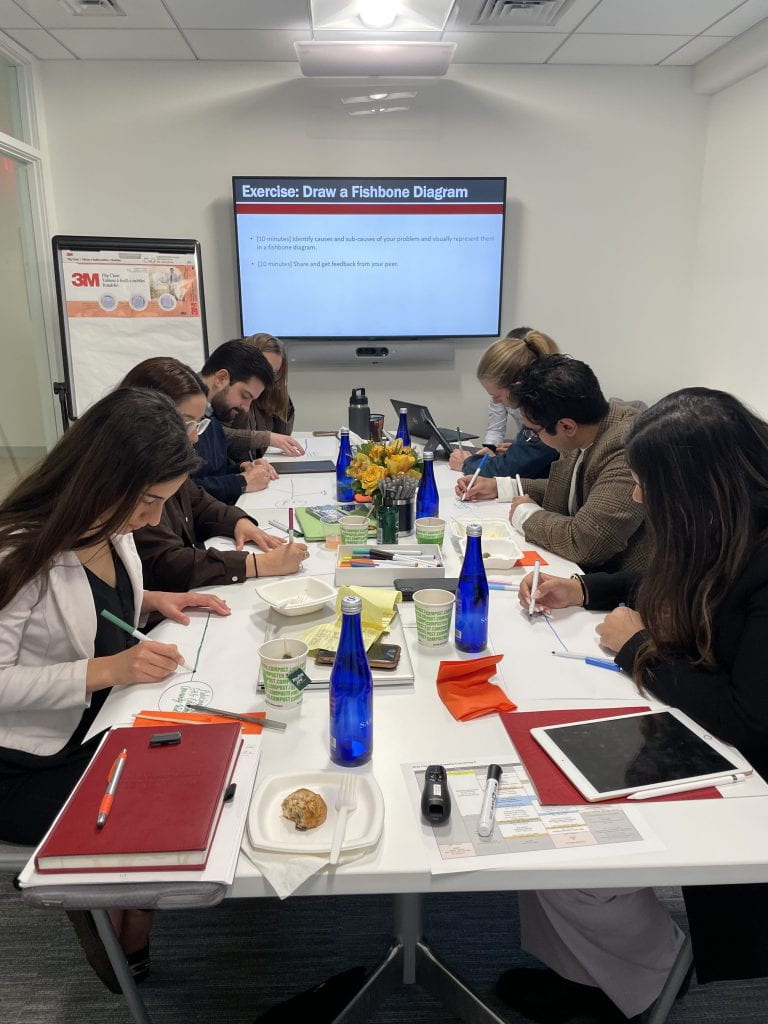
BSC Director Salimah Samji led two sessions for the Bloomberg Harvard City Hall Fellows on problems as entry points to change and teams as a vehicle for change.
Matt Andrews and Salimah Samji, co-taught the class entitled, PDIA in Action: Development through Facilitated Emergence at the Harvard Kennedy School. We invited 8 alumni of our IPP Executive Education program to nominate real-world problems that the students could work on. The countries they focused on included Azerbaijan, Barbados, China, Ecuador, France, Kenya, Peru, and the United States. 40 graduate students completed the course in March 2022. You can read more about what student’s learned about dealing with uncertainty, the bias towards finding solutions, the importance of different perspectives, iteration, and team-work.
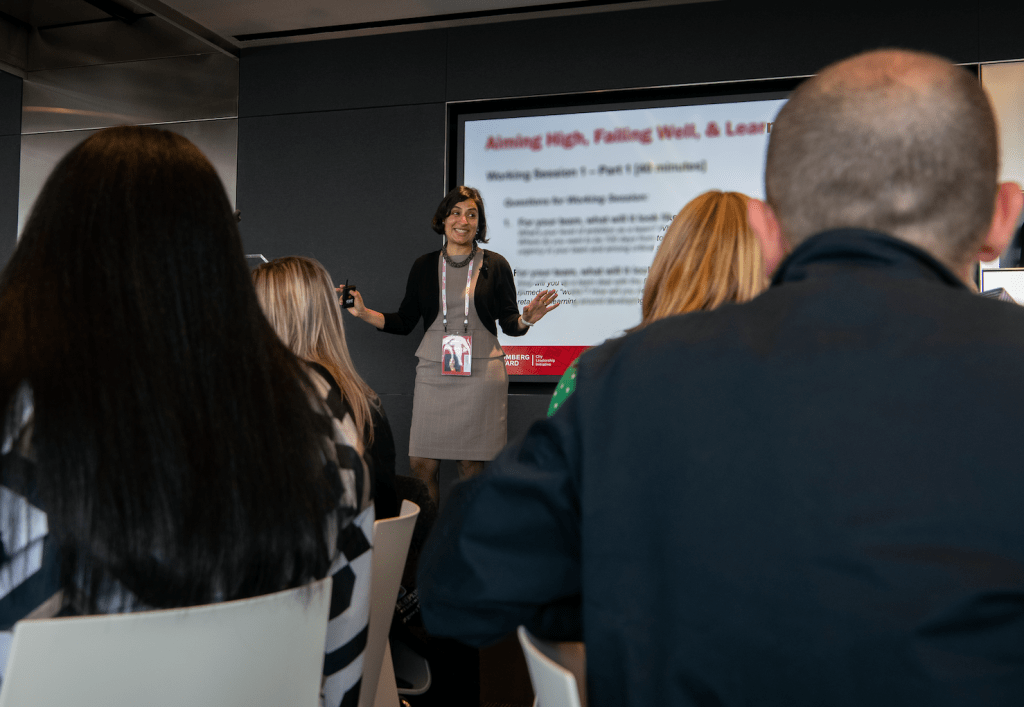

Matt Andrews and Salimah Samji, developed and taught four problem exploratory modules for the Bloomberg Harvard Cross Boundary Collaboration Program in March & April 2022. 80 city practitioners from Baltimore, Bogota, Bristol, Green Bay, High Point, Kansas City, Hampton, Kitchener, Mannheim, and Scottsdale participated in this program.
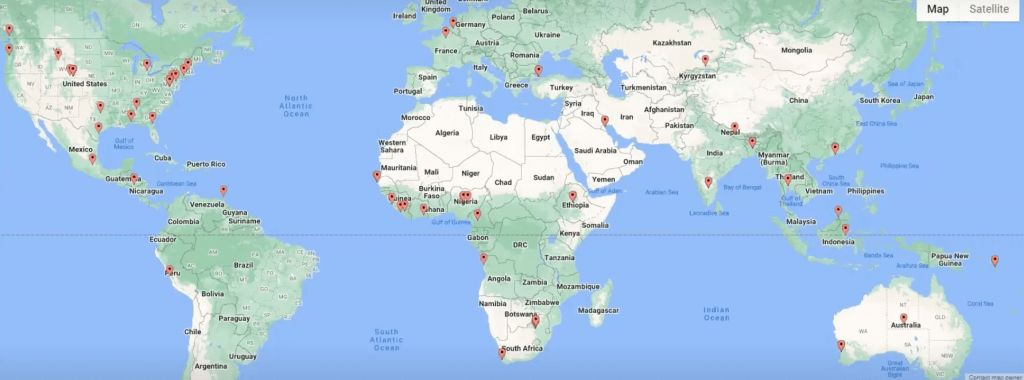
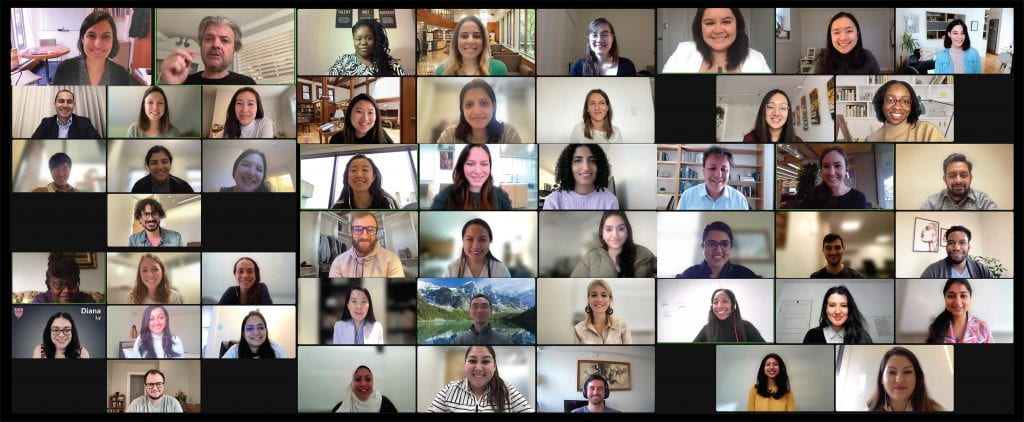
Matt Andrews co-chaired two 10-week sessions of Leading Economic Growth Online with the Growth Lab’s Ricardo Hausmann. 127 practitioners participated in this program in March-May and October-December 2022. Read more about what participants learned.
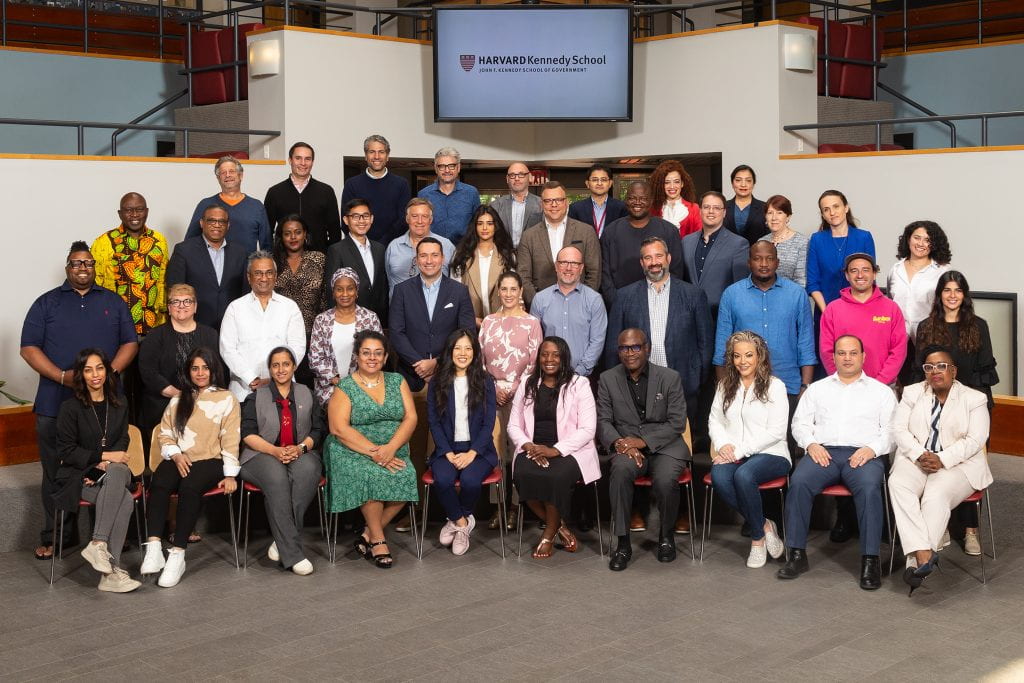
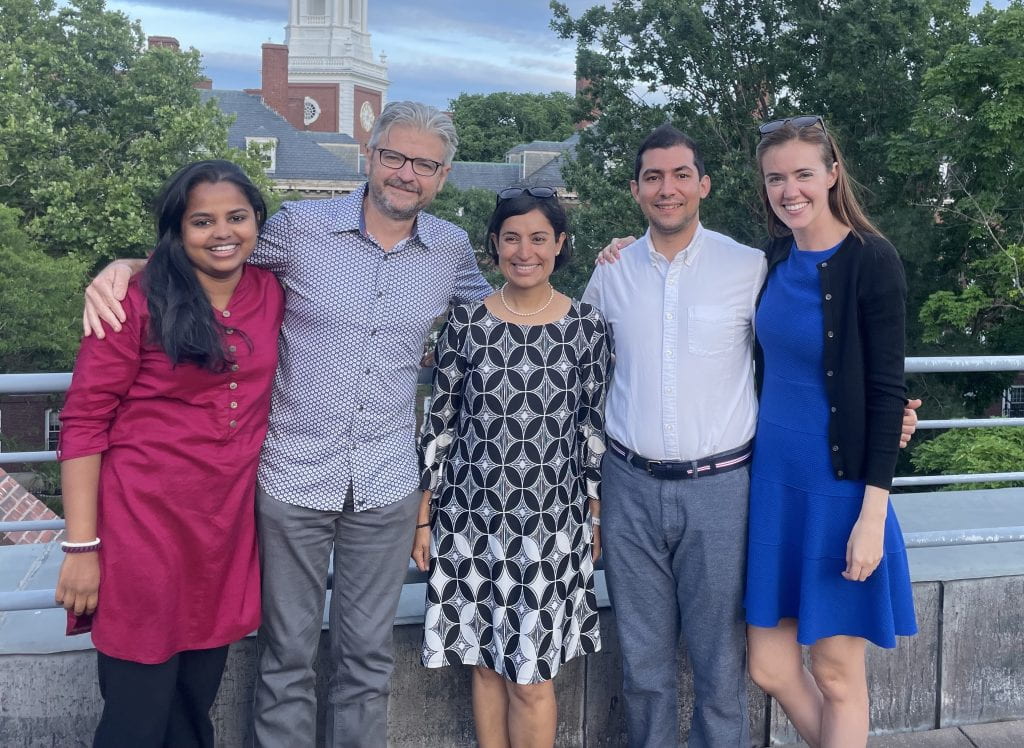
We were able to bring our flagship Implementing Public Policy (IPP) executive program back to campus in June 2022 and ran a fully hybrid classroom, allowing participants who could not attend to directly engage with us. 45 practitioners participated in this program from May-December 2022. You can read more about what practitioners learned.
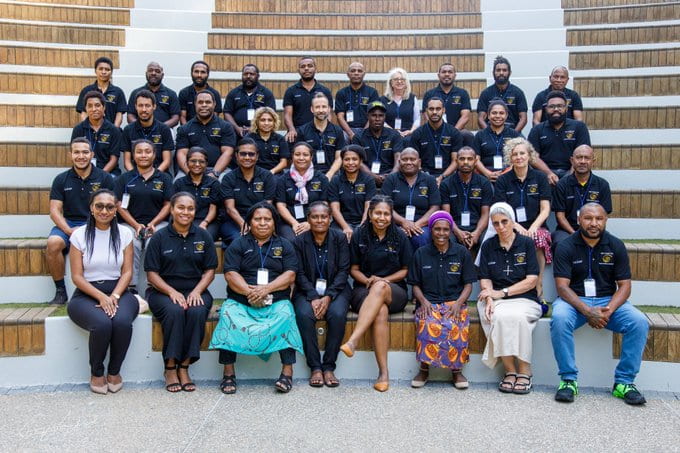
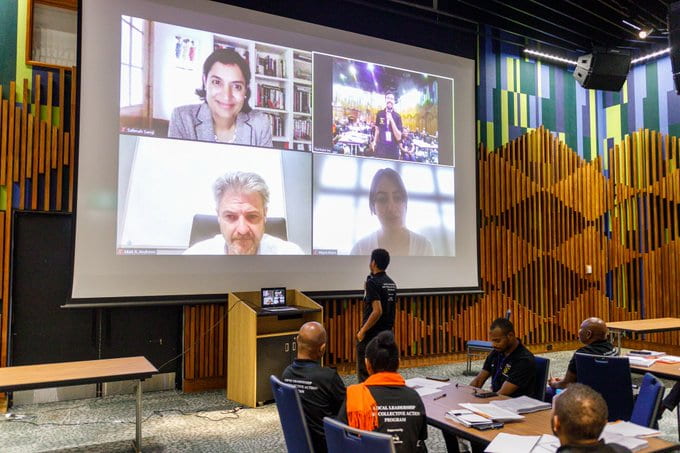
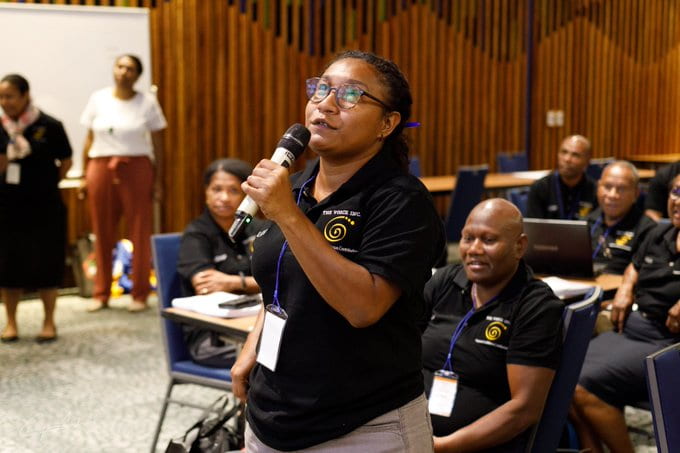
BSC led a PDIA online action learning program for The Voice Inc, a Department of Foreign Affairs and Trade (DFAT) funded Local Leadership & Collective Action Program in Papua New Guinea. 31 development leaders participated in this program from September-December 2022.
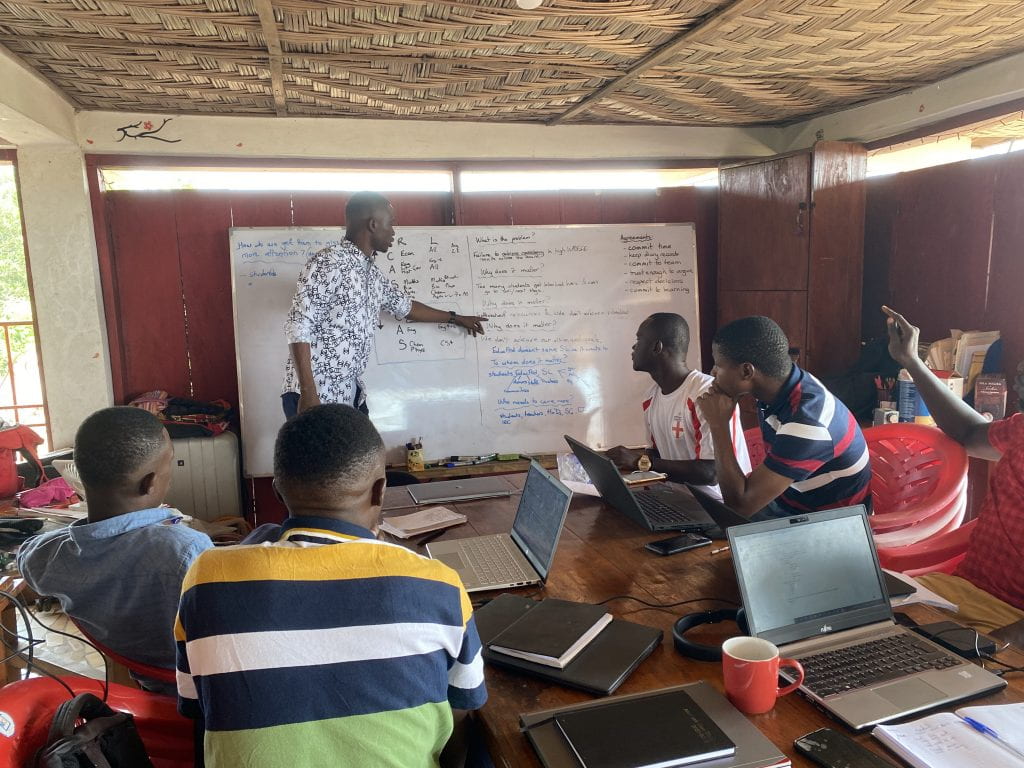
BSC led a PDIA for Education Systems online action learning program for Education Development Trust, funded by United Kingdom’s Foreign Commonwealth and Development Office (FCDO). 56 practitioners across 9 country teams from Ethiopia, India, Kenya, Malawi, Pakistan, Rwanda, Sierra Leona, and Zambia, participated in this program from September-December 2022.

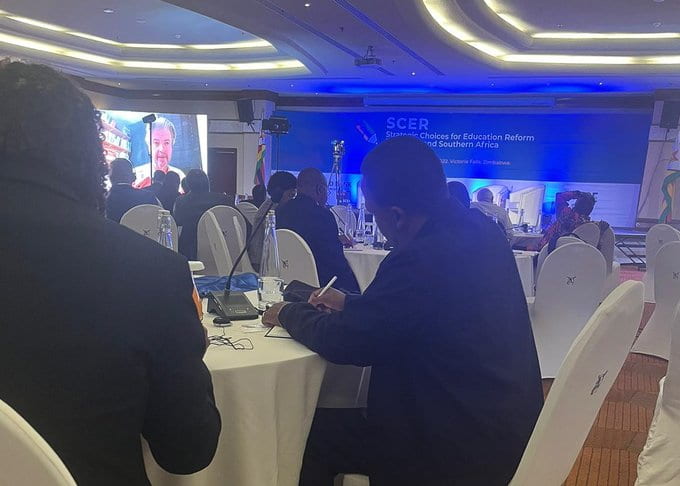
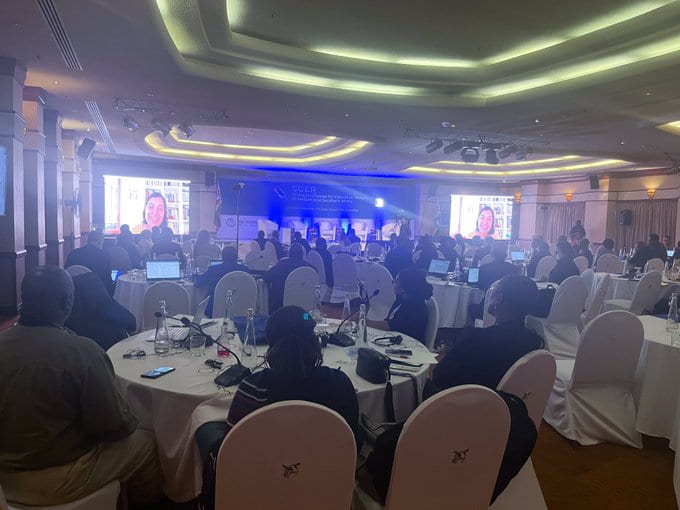
Matt Andrews and Salimah Samji led a session on managing reform design and implementation and facilitated a group session on constructing problems at the World Bank’s Strategic Choices for Education Reform (SCER) event held in Zimbabwe in November 2022.
Publications
BSC wrote 3 papers and 3 case studies, published by the Research on Improving Systems of Education (RISE) Programme, funded by FCDO, as part of our long-standing sponsored research agreement. We also published 4 CID working papers.
These include:
- The Way Forward in Analyzing National Educational Systems: A Re-Considered View, Moore, Mark and Spivack, Marla. 2022. RISE Working Paper Series. 22/110.
- Managing for Motivation as Public Performance Improvement Strategy in Education & Far Beyond, Honig, Dan. 2022. CID Working Paper 409.
- Getting Real about Unknowns in Complex Policy Work, Andrews, Matt. RISE Working Paper Series. 21/083. Listen to the accompanying podcast.
- PDIA for Systems Change: Tackling the Learning Crisis in Indonesia. Barjum, Daniel. 2022. RISE Insight 2022/046.
- A Problem-Driven Approach to Education Reform: The Story of Sobral in Brazil. McNaught, Tim. 2022. RISE Insight 2022/039.
- Funda Wande through the lens of PDIA: Showcasing a flexible and iterative learning approach to improving educational outcomes. Samji, Salimah and Kapoor, Mansi. 2022. RISE Insight 2022/036. Listen to the accompanying podcast.
- Can Africa Compete in World Soccer? Andrews, Matt. 2022. CID Working Paper 403.
- This is How to Think About and Achieve Public Policy Success. Andrews, Matt. 2022. CID Working Paper 413.
- Public policy actors view success differently, and it matters. Andrews, Matt. 2022. CID Working Paper 418.
BSC in the News
Matt Andrews published an article titled, Can an African team win the World Cup? New football study crunches the numbers in The Conversation.
BSC was featured in the OECD’s Observatory of Public Sector Innovation post titled, Digital innovation in government is about solving people’s problems.

Matt Andrews and Salimah Samji shared strategies for engaging students effectively in team projects at the Harvard Initiative for Learning and Teaching (HILT) conference in September 2022. Watch the video recording.
BSC was featured in an HKS article titled, Learning policy implementation amid complexity and ambiguity. It focused on how IPP Executive Education participants and degree program students at HKS learn to avoid a rush to solutions and instead trust an iterative process.
Matt Andrews was featured in the Harvard Office of the Vice Provost for Advanced Learning’s into practice series on learning effectively through teams. Team-based learning is an effective tool for applying knowledge to complex real-world situations and gives students an opportunity to develop skills in negotiation and collaboration that are necessary in most professional contexts.
Matt Andrews participated in the HKS Dean’s Discussion on international economic development. Read the discussion summary.
Events
This year we returned to hosting in person events but also invited virtual participants around the globe to join us. The energy in the room, the laughs, and the buzz of live interactions was palpable. We really enjoyed interacting with students!
Here are the events we held this year:
1. Learning, Failure, and Blame in the Public Sector
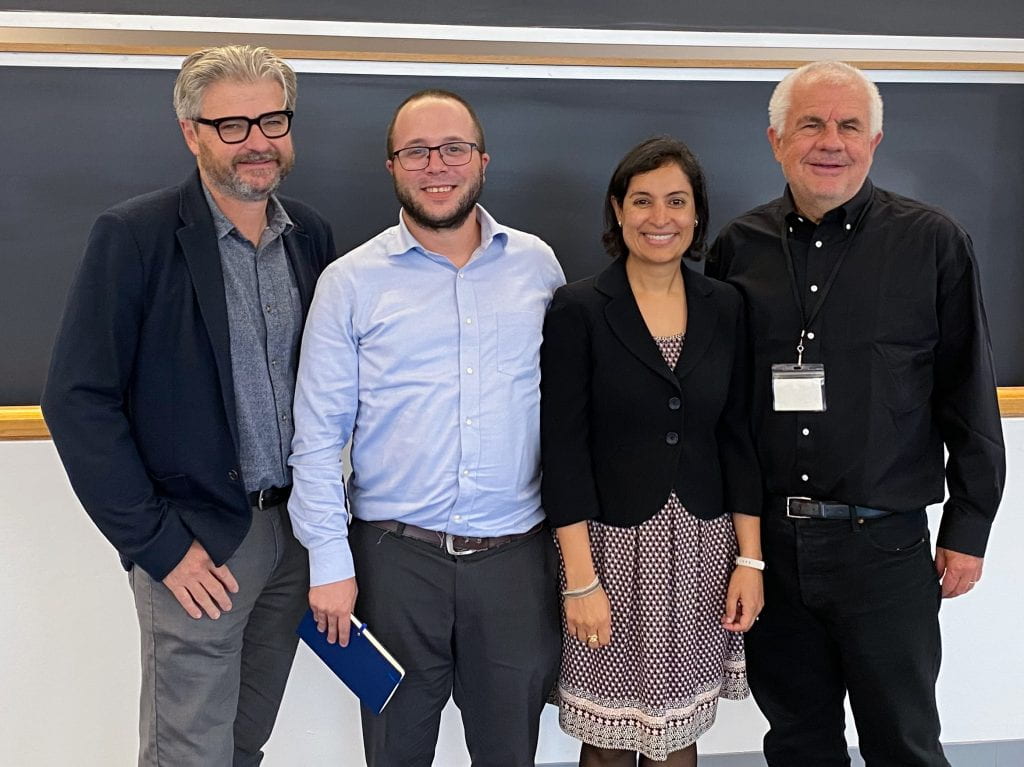
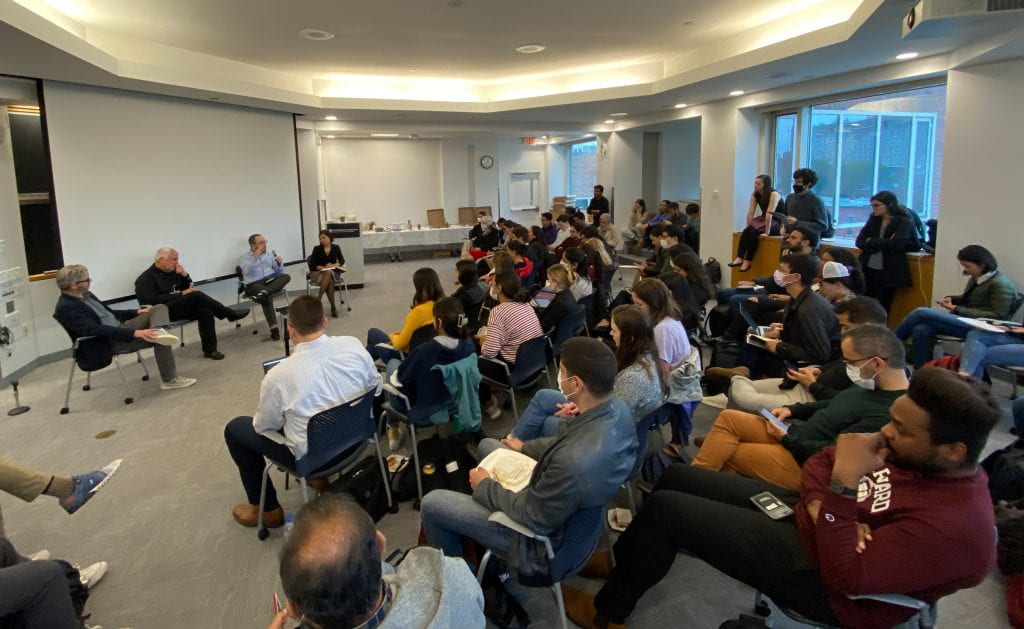
Problems in the public sector are numerous. It is an arena where critique is constant, mistakes are magnified, success is taken for granted, and the risk of failure has public consequences. In this complex landscape, how do you pivot from finger-pointing positions of ‘winner-loser’ and ‘we-they’ to creating a learning environment of “us?” Is failure without blame possible? We explore these questions in this panel discussion on “Learning, Failure, and Blame in the Public Sector” with Lant Pritchett, Salimah Samji, Dan Honig, and Matt Andrews. Watch the video recording.
2. The Case of the Powerful yet Powerless Bureaucrat
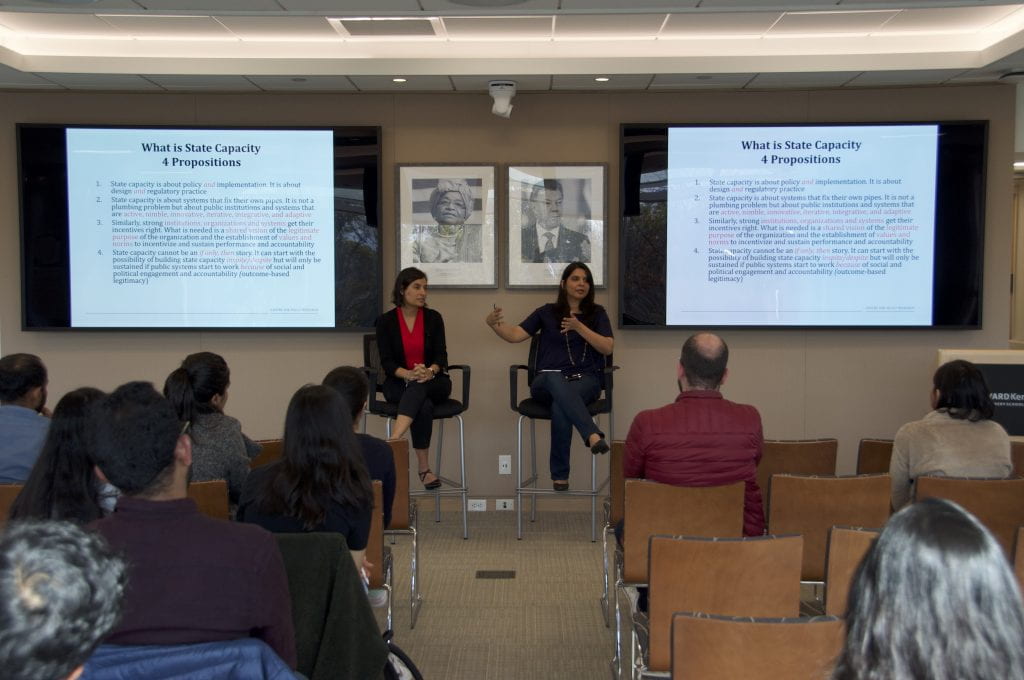
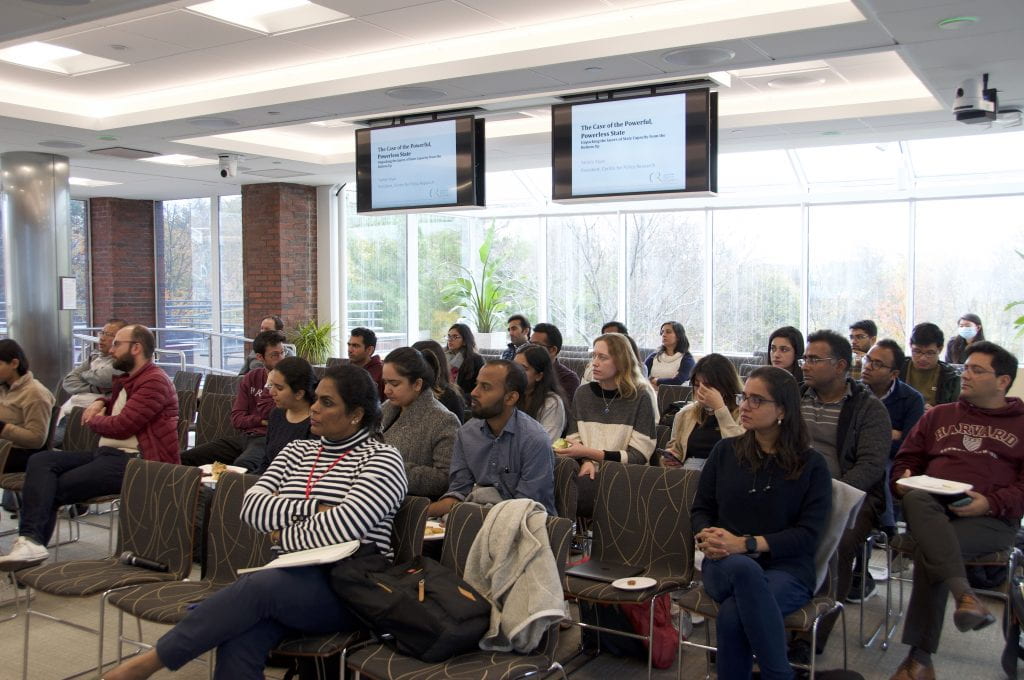
Drawing on over a decade of studying an active practice of “building” state capability in India, this talk offers a deep dive into the dynamics of capability gaps at the frontlines of the Indian State and offer a provocation on why current frameworks for building state capability often fail to address the roots of the problem. Based on emerging experiments in different States and across sectors it also offers glimpses of some promising innovations that offer important lessons on what it will take to do the hard work of state-building away from the glamour of technology and dramatic, sweeping reform politics.
Speaker: Yamini Aiyar, President and Chief Executive of the Centre for Policy Research, India. Watch the video recording and view the slides.
3. Agile Responses to the Ukrainian Humanitarian Crisis: The Power of Cell Phones
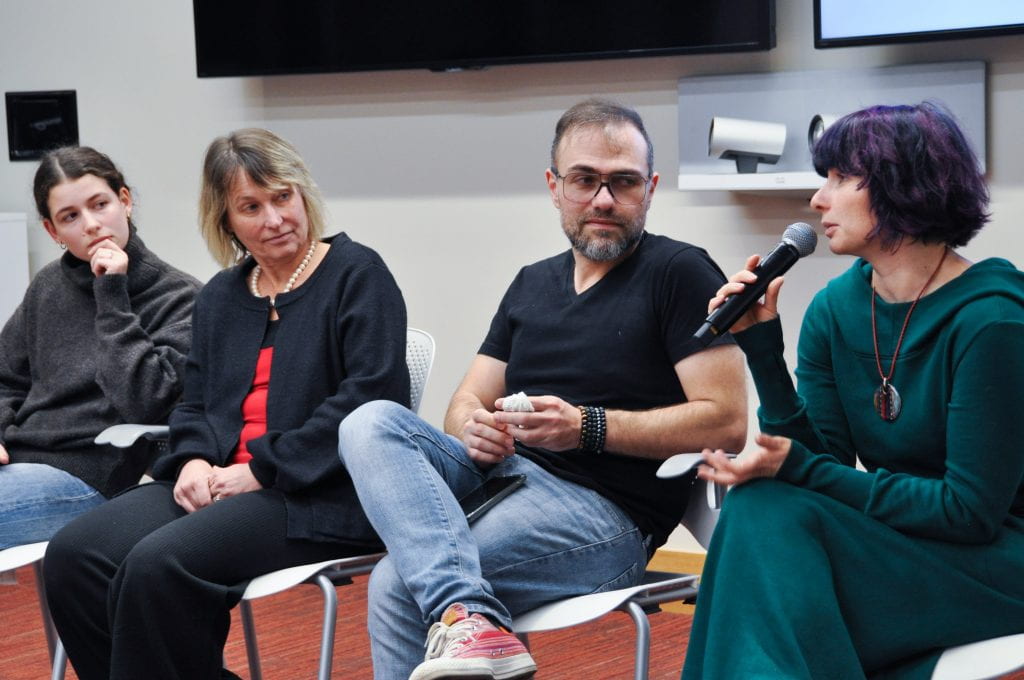
Nobody was prepared for Russia’s invasion of Ukraine … especially the refugees. The traditional sources of help – NGOs and government agencies – were unable to respond quickly and efficiently to the humanitarian crisis facing them. The urgency demanded imagination and energy to help refugees who have weeks, days, or sometimes hours to find ways to survive and then to construct a future for themselves. This event features three organizations that leveraged the networking power of cell phones to gather resources, organize people, and mobilize hope amid confusion and despair, stepping in when larger organizations would not or could not.
Speakers: Rita Vinokur, COO of Rubikus.helpUA, Zhenya Leonov, Freelance software engineer, Olga Yulikova, State Director of the Massachusetts employment and training program and daughter, Sasha Segal. Watch the video recording and view the slides.
4. From Elections to Governing: Getting Beyond Politics to Get Things Done

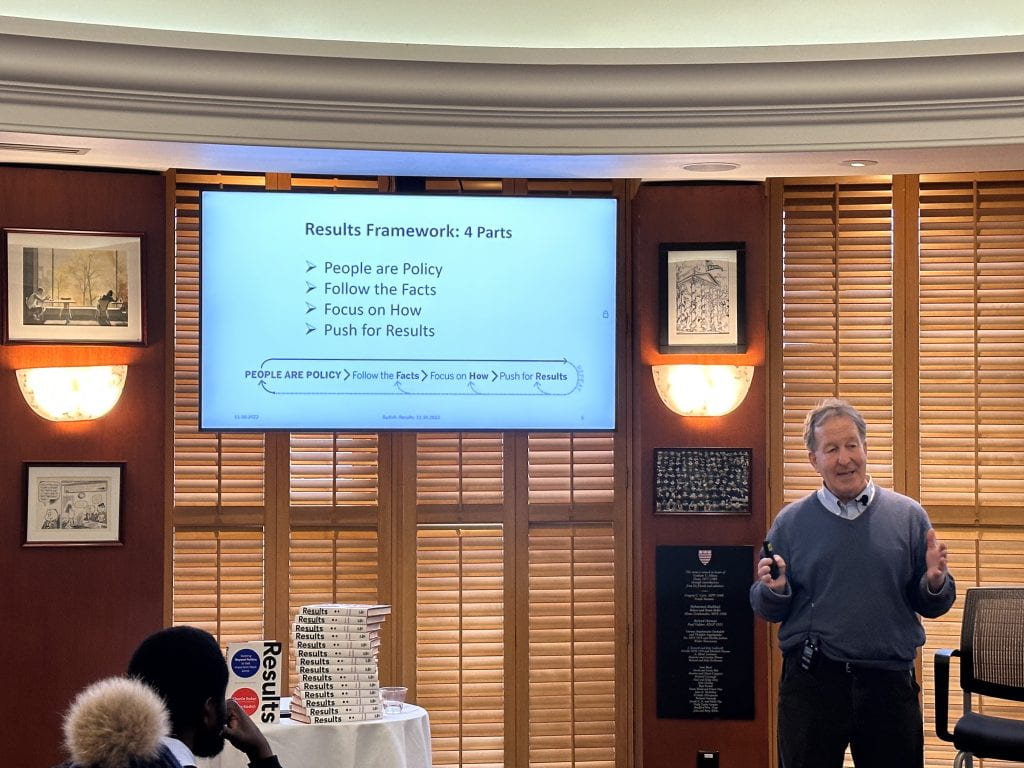
In government, the focus is often on policy, legislative wins, and budget dollars. However, the key components of what makes government work are successful execution and implementation. In this book talk, you will learn about a methodology developed by Governor Charlie Baker and Steve Kadish to move from identifying problems to achieving results—one that grew out of their experiences in government and was shaped by their experiences in the private sector. At its core, their approach is about capacity and capability: about recognizing people’s capacity to lead, evaluate, propose, and act; and about an organization’s capability to focus, operate, and execute. It doesn’t reduce important, complex issues to a single, simple intervention. Instead, it is a comprehensive approach that respects the complexity of implementation. It maximizes the resources available and embraces the best ideas, no matter their source. It is a step-by-step process that leads to sustainable results.
Speaker: Steve Kadish, co-author of “Results: Getting Beyond Politics to Get Important Work Done” and former First Chief of Staff for Governor Baker. Watch the video recording and view the slides.
Podcasts
The Practice of Resolving Public Problems
This podcast series consists of 15 episodes recorded over the course of the year featuring alumni of the Implementing Public Policy (IPP) program. Listen to learn how our alumni are using the PDIA tools and approach in their day-to-day lives.
“When we go through the 5 whys and develop a fishbone to identify the root causes of a problem, that helps us find entry points … everybody collaborates”.
– Eleanor Sarpong, Deputy Director and Policy Lead, Alliance for Affordable Internet Initiative (Episode 3)
Pivoting Education Systems in a Crisis – Lessons from Woburn, MA Public Schools
In this BSC podcast, Director Salimah Samji interviews Matt Crowley, Superintendent of the Public School District in Woburn, MA. They discuss how this school system pivoted to remote learning during the COVID-19 pandemic and the importance of collaboration and adaptability when leading through a crisis. Listen to the podcast.
Goals and realities: What World Cup performances can teach us about development in African countries

In this HKS Policy Cast, Matt Andrews says the reasons why African nations haven’t done better at soccer’s world championships have a lot in common with why much of the continent’s economic promise has also gone unfulfilled. Listen to the podcast.
Tackling corrupt taxation practices in Trinidad & Tobago through PDIA
Guest blog by Amrita Deonarine, IPP 2021
I came across this methodology of Problem-driven Iterative Adaptation (PDIA) in 2020 at the onset of the Covid-19 pandemic when global energy prices plummeted, triggering supply shocks, demand shocks, and a health crisis all at the same time. The consequences of this triple whammy almost severed the revenue base of a highly reliant energy-based economy with a poorly diversified non-energy sector. This triggered the worse recession since the 1980s in Trinidad and Tobago. As a result, diversification away from the energy sector became the topic of discussion once more for policymakers in the country. Being in a position to have influence over policy decisions, my mission was to find a process that the country can model to achieve non-energy diversification. That’s when I came across the practice of PDIA by the Building State Capability program at the Harvard Kennedy School and decided to enroll a year later. My main expectation was to learn about a process to come up with policy solutions that were designed on the basis of understanding elements of the underlying problems/challenges hindering the effective implementation of policy around non-energy export diversification in Trinidad and Tobago.
Borrowing the idea of the PDIA process, it became clear that there is no one size fits all solution to your country’s problems. Just because one country has managed to diversify its export base successfully, doesn’t mean that you can uproot that model and apply it to your own country and it will work. Without an in-depth root cause problem analysis of the policy challenge in your country context – an analysis that goes beyond the vertical logic framework and project management principles that we are well accustomed to – achieving your goal becomes a far-fetched moving target.
The widely practiced plan-and-control approach to policy implementation is not always effective for complex policy challenges because many times level of uncertainty or unknowns. When dealing with complex policy challenges, many times, the unknowns are unknown and we are quick to resort to thinking that the challenge is a lack of capability without knowing or understanding why capability is lacking or what we need to do to build that capability.
PDIA work is plenty and hard work that cannot be done alone. Teamwork becomes critical especially when you have to deconstruct the problem. Creating diverse teams that draw expertise from different levels of your and affected organizations is critical as it allows for different strands of thinking from multiple perspectives to come together to better understand the problem, causes, and sub-causes. This allows for a better understanding of the different areas the policy must address especially during iterations when you have to adopt spurts of taking action, stopping, learning, adapting, and then taking another step.
Leadership skills are critical in navigating the PDIA process, especially when establishing the convening and connecting roles. As snowflake relationships get built, maintaining strong leadership as a convenor is essential.
I was working on the complex policy challenge of protracted delay in non-energy diversification in Trinidad and Tobago. Understanding the limitation of my role, I redefined my policy challenge to ineffective addressing of tax evasion, tax compliance, and corrupt taxation practices in the current tax administration system (lead by the Inland Revenue and Customs & Excise Divisions) causing inequities in tax system.
Initially, when I started investigating the policy challenges of tax evasion/leakages in tax administration in Trinidad and Tobago, I was almost entirely convinced that once internal processes, systems, and procedures were addressed, a large chunk of the tax leakage from tax administration deficiencies would be rectified and there was no need to go as far as establish a semi-autonomous revenue authority to solve these problems – the policy solution proposed by the government. However, through problem deconstruction and conducting several iterations which allowed me to determine several unknowns from multiple stakeholders within the tax administration institutions, and also former authorizers it was discovered that there is a severe challenge with human resource management, discipline, corruption, and management of people who man these institutions.
The problem festered for decades because the people who handle these institutions are subjected to the regulations of the dysfunctional public service commission/civil service, especially when it comes to these aspects:
1. Hiring suitably qualified persons in the field of tax administration
2. Identifying and dealing with suspected wrongdoing e.g. suspected cases of corruption
3. Accountability
4. Disciplining workers
5. Accurately documenting performance i.e. performance appraisals
6. Developing proper work ethic – code of ethics policies
7. Firing workers
8. Being 40% understaffed etc.
This is something difficult for any government change as they are enshrined in the constitution. Any reform or action to be taken on the operations of the public service commission requires a constitutional majority in the parliament, something that successive governments have never been able to get any support on. Furthermore, without that independence in dealing with human resources compromised both institutions ability to independently establish and control a proper functioning operational framework governed by the relevant policies. As such, the government since 2002 has begun its investigation into the feasibility of establishing a semi-autonomous revenue authority which they have tried to establish for the past 11 years but has been unsuccessful due to resistance to the move to eliminate the public service from the revenue collection function.
After examination of other countries’ experiences in establishing a revenue authority, I was able to come up with 9 critical design features that are necessary when designing a semi-autonomous revenue authority to ensure that the new tax administration function is sufficiently independent, while at the same time allowing for oversight and supervision from the executive. It was against these design features I was able to benchmark the government policy proposal to deal with tax leakages/tax evasion via institutional reform in the form of a revenue authority for Trinidad and Tobago.
Through iterations and adopting the IPP framework I was able to build my knowledge/learning on revenue authorities around the world and was able to benchmark the government proposal against successful cases i.e. based on the 9 critical design features of a revenue authority. Through this exercise, I proposed several amendments to improve the legislation according to these design features. Several of these were accepted examples with respect to the establishment of the board, their functions in relation to the management of the institution, and the establishment of the post of director general and his function in tax administration. I was also able to tighten the legislation in the way it adopted accountability mechanisms e.g. internal audit function, and external audit function. A big win I was able to accomplish was with respect to the accountability to parliament every 5 years on the performance of revenue authority under the existing law which was passed. This is in addition to having the MOF provide the parliament with an operating plan and strategic plan on an annual basis. However, a big shortfall in the policy reform proposed was the adoption of a hybrid revenue authority model, one in which the enforcement functions of tax administration remain with the public service commission. I was unable to make amends in this regard as this would have meant that the bill would have had to revert to special majority legislation which the opposition had made clear that they would not be supporting. At that point, my objective was to improve the governance framework proposed by the government via the bill based on research and stakeholder consultations, and support some change being made.
The PDIA process is difficult and at times frustrating when your change space is limited and you need to redefine methods and creative ways to create space for change. In my case, because of my unique background and not having access to the tax administration officials directly, I had to come up with alternative solutions to get to the root cause of the problems being experienced by the tax administration. I ended up getting to the right persons by continuously convening and connecting with multiple stakeholders. The IPP Harvard team, Daniel, Salimah, and Matt were especially supportive and instilled confidence to persevere despite the challenges.
Finding the solution to a complex policy challenge should not be the ultimate aim in the first attempt. Innovative and creative ideas come out of continuous trial and error through iterative adaptation. Therefore, going forward, every bill that comes my way as a legislator in Trinidad and Tobago will be scrutinized to the best of my ability and time using the PDIA process.
This is a blog series written by the alumni of the Implementing Public Policy Executive Education Program at the Harvard Kennedy School. Participants successfully completed this 6-month online learning course in 2021. These are their learning journey stories.
Morocco’s Semi-Final Soccer Capabilities
written by Matt Andrews
A preamble to my views on Morocco
Earlier this year I wrote a paper and a blog on why African countries struggle to win in global soccer. I argued that teams from these nations seem stuck at middling levels of competitive participation (who they compete against) and rivalry (how often they win).
The main reason, I suggested, was that African teams do not play enough matches against better competitors, which limits their potential to build their competitive capabilities (given that we learn from what we do and learn new things from those who do better than us).
I suggested that African countries have the potential to win but need to ‘play up’ more often to build that potential. Adapting words from Antonio Conte, the former Italian player and current manager of Tottenham Hotspur Football Club, I explain,
“We [in Africa] have a lot of space for improvement, to be a [continent] with aspirations to win. [But] To use the verb ‘to win’ is more simple than winning because to win you have to build something important, be solid … Then you’re ready to win. Otherwise you have to hope.”
Now, what about Morocco?
So, Morocco is now in a World Cup semi-final—recording Africa’s best performance in the tournament to date (with 49 other countries doing worse in prior or current appearances). They did this by beating three top-ten teams (Belgium, Spain, and Portugal), drawing another (Croatia), and overcoming the best qualifier from North America (Canada) in the last few weeks. This pathway to the semis was arguably tougher than those of South Korea and Turkey, who made it—surprisingly—in 2002.
But, using data from the 2010s, my paper showed the nation as having fallen off from its highs in the 1980s (when, in 1986, a golden generation took the country—and Africa—to its first narrowly lost final 16 match against Germany). What’s going on?
A story of growing capabilities
Commentators are linking Morocco’s performance to various things, including the squad’s current quality and the manager’s ingenuity (and the fact that he is from Morocco). I’m not sure of such explanations:
Morocco was ranked 23rd out of 32 coming into this tournament; with an Elo-rating of 1766 (where the Elo-rating captures performance over time as a measure of a team’s demonstrated competitiveness). Carrying a market value of 315 million EUROs, I ranked the team’s recognized playing capabilities as 17th, which was better than its performance and does suggest it had more potential than its historical record. But not a top 4 finish. Based on experience and record, its manager, Walid Regragui, came 27th, hardly what one would expect is needed to make a semi-final (or more).
Given such data, I do not think Morocco’s success is about its static current on-pitch playing capabilities or managerial capabilities (at least not primarily). What I do see, however, is that Morocco came into the 2022 tournament ranked 1st in what I call momentum capability—a belief, based on recent experience, that one can win anything.
I calculate this capability by looking at the 5-year change in a country’s Elo-rating (mentioned above): It was 11% for Morocco, higher than any other nation, reflecting an increase from 1590 in November 2017 to 1766 in November 2022. The 1766 rating was still much lower than Brazil’s global high (of 2195) going into the tournament, but the 11% improvement in ranking was what really stands out.
Factors behind the growing capability
Various factors seem linked to Morocco’s high momentum capability, including an off-pitch shift in scheduling focused on ‘playing up’.
As Figure 1 shows, 83% of the team’s 2012 to 2016 fixtures were against opponents with Elo ratings below 1599 with only 9 opponents were rated above 1600. Between 2017 and November 2022, the team played only 62% of its matches against sub-1599 rated teams and matched up with 27 opponents rated above 1600. Some of Morocco’s higher-quality matches were centered on the 2018 World Cup (where it competed). But the country also played 13 matches against 1600+ rated teams after July 2018. They won 7 of these matches, and drew 4, pointing to a growing penchant for winning big matches against high profile competitors. Figure 2 shows this improved winning record, with Morocco scoring more points per match against every kind of competitor in the 2017-2022 period (as compared with the 2012-2017 period).
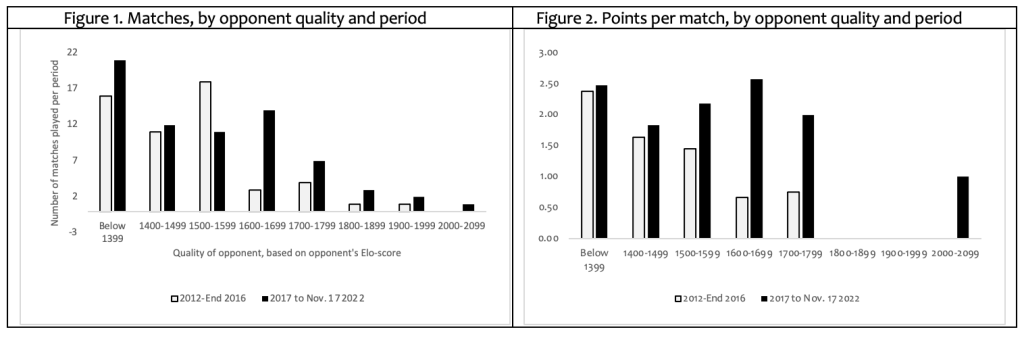
I believe that the very act of ‘playing up’ has been key to building Morocco’s capabilities, and is a major reason the country has the momentum capability we see today—the team has learned from playing tougher teams, winning more than before, and developed a confidence that is hard to beat.
I see other sources of capability expansion in this period. First, Morocco had three experienced, winning managers from 2016 to late 2022. Hervé Renard and Vahid Halilhodžić both spent about three years with the team up to July 2022, bringing winning records with them (Renard won the African Cup of Nations in Zambia and Ivory Coast in 2012 and 2015 and Halilhodžić won various club titles in Europe). Regragui followed up on this record in 2022, with a CAF Champions League win with Wydad AC in 2022.
Whereas their legacies vary, the managers fostered a winning mentality and legacy of ‘playing up’ after 2017. Their impact was evident in a string of achievements after 2016, including two quarterfinal and a round-of-16 appearance in the African Cup of Nations (in 2017, 2019, and 2021), two African Nations Championship wins (in 2018 and 2020), and two World Cup Finals tournament qualifications (in 2018 and 2022).
The country has also built its soccer capabilities on the technical side, where we see significant advances in the country’s near-pitch and off-pitch capabilities. This includes the opening, in 2009, of the Mohammed VI Football Academy. This academy has spawned a number of international players in the last decade and a half, including Hamza Mendyl, Nayef Aguerd, Azzedine Ounahi, and the man who scored Morocco’s winning goal in the World Cup quarterfinal against Portugal, Youssef En-Nesyri.
The Mohammed VI Football Complex was also renovated in 2019, creating a modern facility focused on enhancing the national team’s competitiveness. Apart from providing new playing facilities and housing, there was also an emphasis on providing performance management opportunities through the new entity. This includes medical treatments like physiotherapy, stress testing, psychology, podiatry, nutritional medicine, and more. It also includes data analysis, where the complex allowed more tracking, tracing and instructional opportunities than had previously existed.
The team’s data analysis capabilities were further enhanced in 2022, when Chris Van Puyvelde was hired as Technical Director and staff like Moussa El Habchi were also added. Van Puyvelde had played a similar role in Belgium between 2015 and 2018 and was part of the semi-final reaching 2018 World Cup experience. El Habchi had also been with Belgium at the World Cup, as a video analyst, and brought such skills to a team that was already using state-of-the-art analytical methods.
The team was another source of emergent capability in this period. A core of players played in the 2-2 draw and 1-0 loss against Spain and Portugal in the 2018 World Cup, and represented the country in multiple matches afterwards. This kind of shared tacit experience is invaluable when competing. Many of these players come from the country’s diaspora as well, and play in Europe’s top leagues. This is relatively new for Morocco, whose teams in the 2000s were much more likely to be born in Morocco and play in Morocco. Whereas some find the diaspora connection controversial, having players with personal and professional experience across contexts brings all sorts of tacit experience and know-how into the team, and helps establish the kind of capabilities we saw in the country’s run of wins in Qatar.
Lessons?
Morocco had less than a 10% historical chance of achieving the World Cup Semi-Final (given that Turkey and South Korea reached this level as sub-20 ranked teams in 2002). Their historical chance of getting to a final is zero. No one has done it and the challenge is significant, shown in the difference between the team’s Elo ratings and those of France (its opponent) in this graph (from international-football.net).
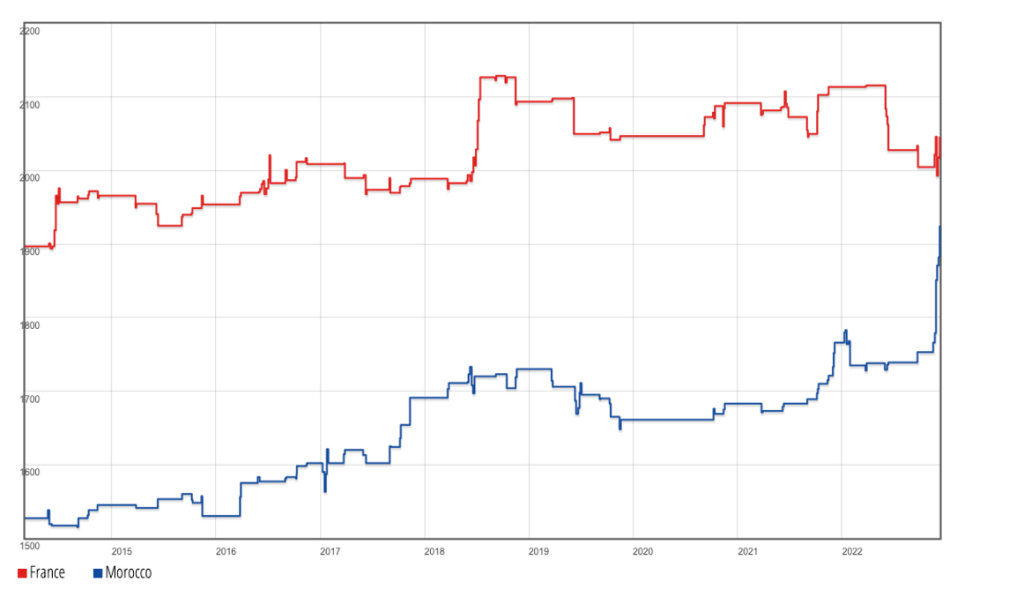
As you see, the French rating (given its past performances) has always been significantly higher than Morocco’s, and even today—the day before their semi-final, Morocco is between 1851 and 1925 (depending on metrics) and France is at 2046.
But the momentum Morocco’s team have is undeniable. You can see it in the way their Elo-score has shot up from mid-1500s to mid 1700s and now into the high 1800s or low 1900s (depending on the entity doing the analysis). This momentum is not flash-in-the-pan stuff. It is built on a foundation of hard work and preparation, through five to fifteen years of playing up, making thoughtful managerial decisions and institutional investments, and building, attracting, and supporting the country’s talent.
The country’s competitive hope has involved more than hoping for a golden generation (which they may have). They have pursued an active strategy of capability building, which has yielded the most dangerous of all capabilities—momentum. I believe this is the most valuable capability one can build in countries that are not yet established as competitive, and this Moroccan team has it in spades.
Who knows how far it can take them, in this tournament and beyond. And who knows how the country’s soccer momentum might translate into an economic momentum capability too?