
Increasing Enrollment in a Senior Citizen Employment Program in MA
Guest blog by Danielle Bayer, Julia Lemesh, Othmane Ouhaddach, Konstantin Usov, Nanako Yamaguchi
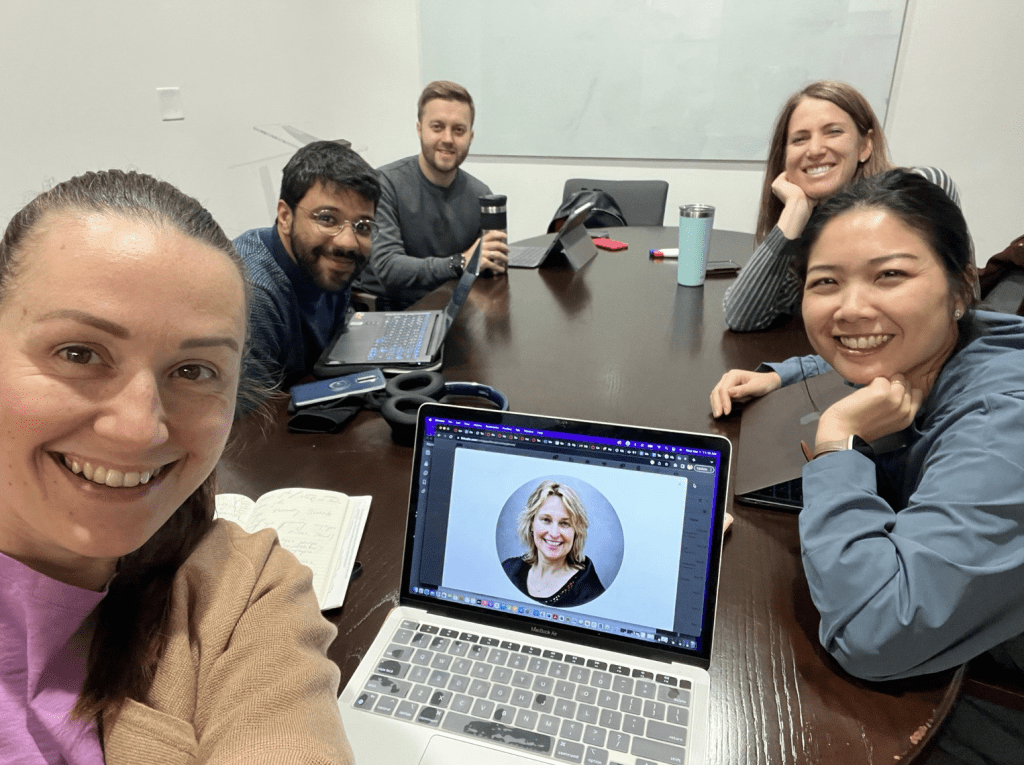
The Senior Community Service Employment Program (SCSEP) is a federally funded community service and work-based job training program for low-income Americans who are 55+ years old. A program authorized by the Older Americans Act, SCSEP provides training for low-income, unemployed seniors, many of whom have experienced homelessness or are at risk of homelessness. The SCSEP federal budget is $400M per year to implement and deliver this program, including to qualifying MA residents.
(more…)Unlocking the Key to Safe Housing in Scranton, Pennsylvania
Lessons from Scranton: How Problem Driven Iterative Adaptation Can Transform an Intractable Housing Crisis for Vulnerable Groups
Group blog by Michael Reschke, Velaphi Mamba, VK Vu, Nadyah Hilmi, Ussen Galym, Sam Pairavi
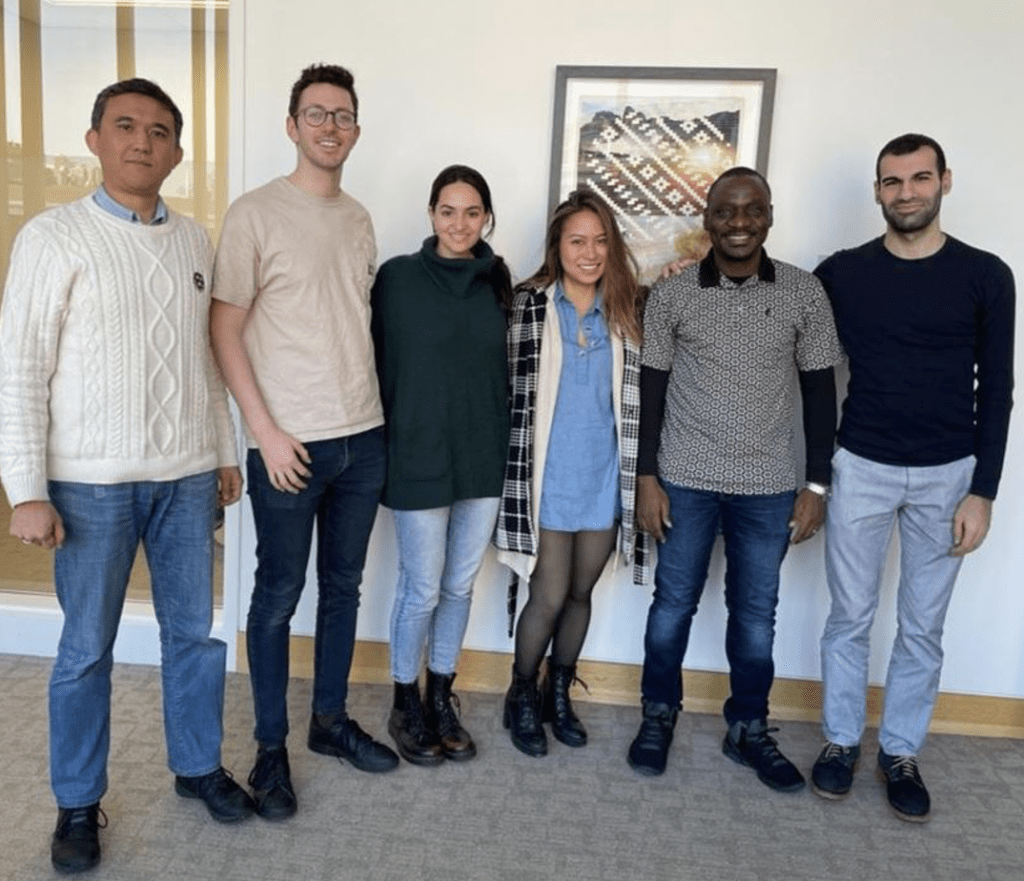
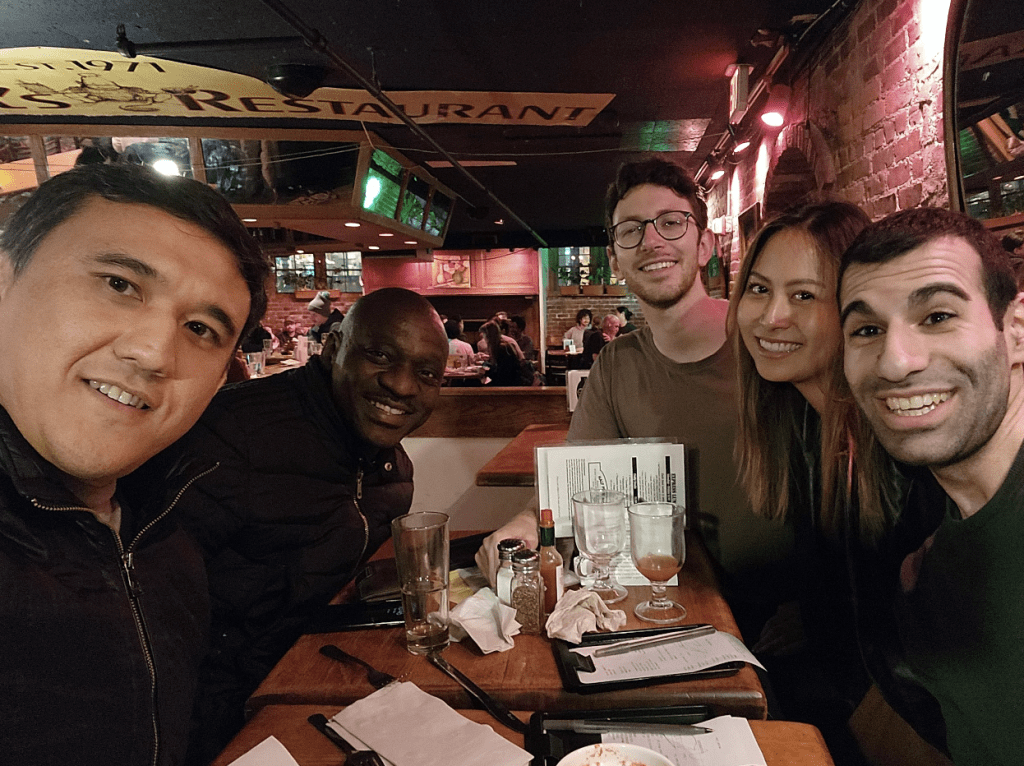
How do you address a minimally framed development challenge without data and an ominously opaque understanding of the real problem? Where do you begin to ‘sink in your teeth’ as you try to flesh out the challenge you are facing? These are the fundamental questions that our team, the Friends of Scranton, at the Harvard Kennedy School were faced with during the first week of our Problem Driven Iterative Adaptation (PDIA) class in late January 2023. We faced a minimally framed development challenge with no data or clear understanding of the problem. We were assigned to address the lack of transitional housing in Scranton, but discovered the problem was more complex. We worked with our authorizer, Eileen Cipriani, Director of Community Development, for seven weeks to better understand the issue and provide leads for tackling it through PDIA.
(more…)Providing Quality Health Care in Kaduna State, Nigeria
Guest blog by Anis Saidi, David Friedman, Diksha Kataria, Krista Gon, Lucy Kruske, Tatenda Mujeni, Younmi Kim
Complex problems are not impossible to solve. As we learned over the course of this module, PDIA teams must adopt a humble, progressive, and iterative approach to tackle complex problems successfully.
The initial step is deconstructing the problem into various causes and sub-causes. This provides clarity by identifying smaller, more manageable issues to address. Furthermore, teams should challenge preconceived assumptions and review the problem definition iteratively each week to glean gradual insights over time. In this vein, our PDIA team constantly tested our assumptions by reviewing empirical data, reports, research, and qualitative insights from stakeholders and local experts that challenged and enriched our existing understanding of the issues at hand.
(more…)Exploring Labor Market Challenges in Bogotá, Colombia
Guest blog by Soraya Mohideen, Shunta Takino, Michaela Tobin, Akinobu Toyoda, Andres Valenciano
Writing a team constitution seemed like a tedious step, but it was vital and something that we recognized as beneficial in other contexts. The process of developing a constitution got every team member to think about what a well-functioning and effective team looked like and to share this with one another. This allowed everyone in the team to understand each other’s priorities and motivations from the beginning and ensured alignment across the team.
Closely linked to this is the value of psychological safety. It was empowering for all of us to feel that we could open up and share frank opinions about both the topic we were working on and how the team was functioning. Far from weakening the team, this served to strengthen the team, as any concerns that a team member had would be discussed and addressed instead of remaining under the surface but nonetheless lurking. This rested on our mutual understanding that any critiques or disagreements were not personal, but rather in our joint commitment to tackle the problem. Too often, we are afraid to critique others’ points or perspectives, only to have regret later when it ends up being that the point you could have made would have been useful.
(more…)Exploring Homelessness in Philadelphia
Guest blog by Kriti Chopra, Kish Greene, Apoorva Murari, Romita Shah, Abeer Al-Zubaidi
On a cold January day, we kicked off the semester with a deep-seated desire to make a difference in the lives of others. By the end of our first class for Problem Driven Iterative Adaptation (PDIA), we were given a challenge commensurate with that desire. It was a challenge we had little prior experience with and a client we had met just moments earlier. That challenge was addressing homelessness in Philadelphia and the client was a tenant service and advocacy organization known as the Tenant Union Representative Network (TURN).
As our team immersed itself into understanding the problem, we realized that homelessness is complex problem whose causes are multifactorial, ranging from social forces such as financial instability, mental health and substance use disorders and structural forces such as a paucity of affordable housing (among other drivers). As novices to the problem and PDIA process, the scope of the issue was overwhelming and the ambiguity nerve-wracking. However, as we approached the second week, we developed a fishbone framework (see Figure 1) to help us think through the various root causes and break them it into manageable pieces (e.g., causes, sub-causes).
(more…)PDIA: An Inclusive Approach to Fortify Voting Rights of Internally Displaced Persons in Ethiopia
Guest blog by Hanna Demissie, IPP ’22
It was initially the idea of my boss, who is the Chairperson of the Election Commission and a Harvard Kennedy School alumna, to apply to the IPP program. Fortunately, despite my anxiety and hesitation, I found IPP extremely impactful, and it changed my understanding of policy challenges and taught me whole new approaches and techniques for solving policy challenges.
As an electoral expert, in a nascent election management body transitioning into democracy, our focus since the re-establishment of the commission in 2018 has been to deliver a democratic election. Yet, the efficiency and inclusivity of the process were somehow compromised and minority groups especially IDPs were not represented in elections. Ethiopia suffers from massive chronic internal displacement situation with exponential number of IDPs probably more than the populations of some countries in Europe. Even more, Ethiopia does not have specific laws, policies, and institutions to facilitate IDPs electoral participation. The participation of IDPs in an election depends on too many factors ranging from political will to resources, decision making powers, and the availability of legal frameworks.
(more…)Tackling Traffic Congestion in Santo Domingo, Dominican Republic
Guest blog by Romeo Ramlakhan, IPP ’22
“Good luck with that!” Those where the exact same words an elected official in City Hall told me in the early days of my tenure as Chief of Staff in the City of Santo Domingo in 2020, as we were discussing municipal policy agenda-setting for the coming years. Indeed, the problem seemed enormous and impossible to cope with, as many previous attempts had failed miserably and opinions about external authorizers like the National Transportation Authority and Traffic Police were not favorable. But then again, “if nobody does anything, what will our City look like in 5 years, 10 years?” was my short response. The following reflective silence and an explicit “you’re right” was the spark I needed to embark on this endeavor. We started planning all these great interventions, identifying resources, coordinating with other institutions etc… About a year later, we only managed to implement one (1) concrete measure, without any visible impact: traffic congestion had gotten worse, it seemed. Frustration mounted, and resignation set in.
(more…)Providing Mental Health Access to Vulnerable Youth in New York City
Guest blog by Shanequa E. Moore, IPP ’22
When I applied to the IPP program, I envisioned a traditional academic experience; yet, what I received has helped me to embrace both my passions and frustrations with public policy and uncover the possibilities of what we can accomplish when we work together.
I recall the words of Professor Matt in an on campus lecture, “The thing that gets us stuck is when I say I am the vehicle for everything.” Up until my experience with IPP, I had been trying to solve my challenge alone. I believed that my 20 years of experience in Government and non-profit qualified me to develop a solution in silos; but quickly learned that I had been doing things backwards. I had to unlearn most of what I’ve been taught in the field and discovered that I needed to first define and understand the problem, and then deconstruct it through a messy and imperfect process.
Inclusive Growth in the City of Bristol, UK
Guest blog by Kevin Slocombe, IPP ’22
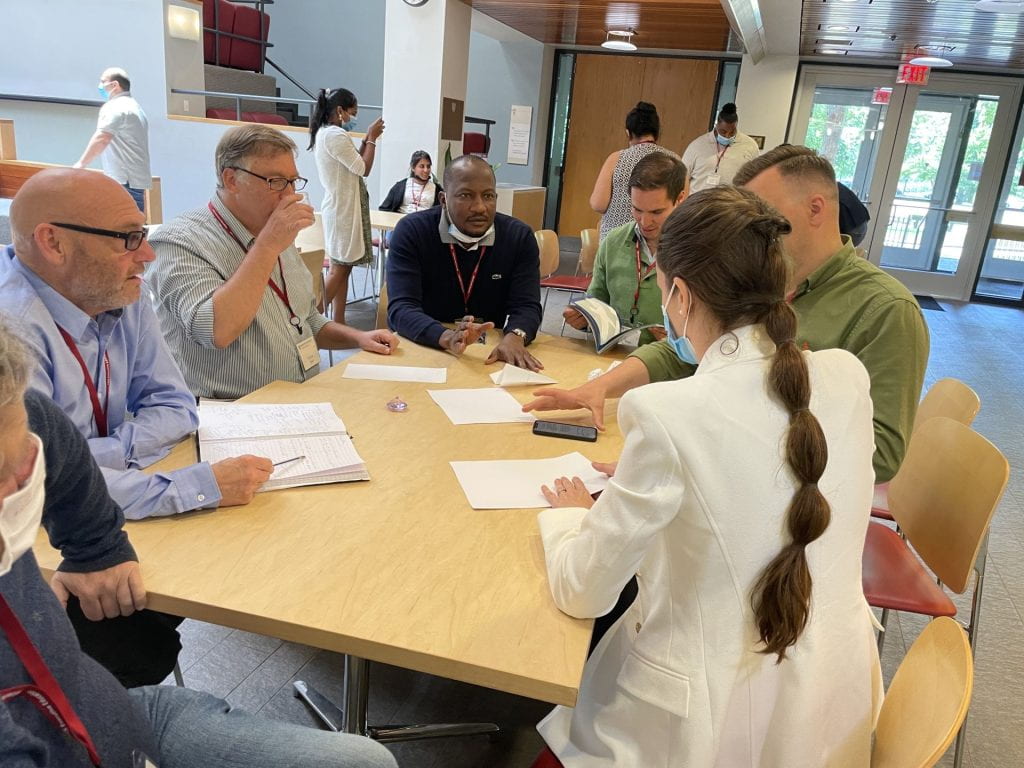
Why are we only delivering against some of the promises we made to the city in the election? Why are only some of our key programmes to deliver inclusive growth being realised?
The Mayor of Bristol, UK was elected on a platform based around inclusive and sustainable growth; where every citizen can share in the success of the city, building a city where nobody is left behind. The electors put their cross in the box supporting those aims in a context of a city with economic growth and prosperity, where high tech is the biggest growth sector but where the gap between rich and poor consistently widens.
Having joined the Mayor in 2016, I came to the Harvard IPP program with an ongoing challenge to understand why we weren’t delivering on some of the core challenges to implement the public policy the people wanted. Why some of our flagship proposals stalled, why priorities were often coming from the bureaucracy and not the political leadership.
(more…)Using PDIA to Implement Health Priorities for the Presidential Election in Argentina
Guest blog by Adolfo Rubinstein, IPP ’22
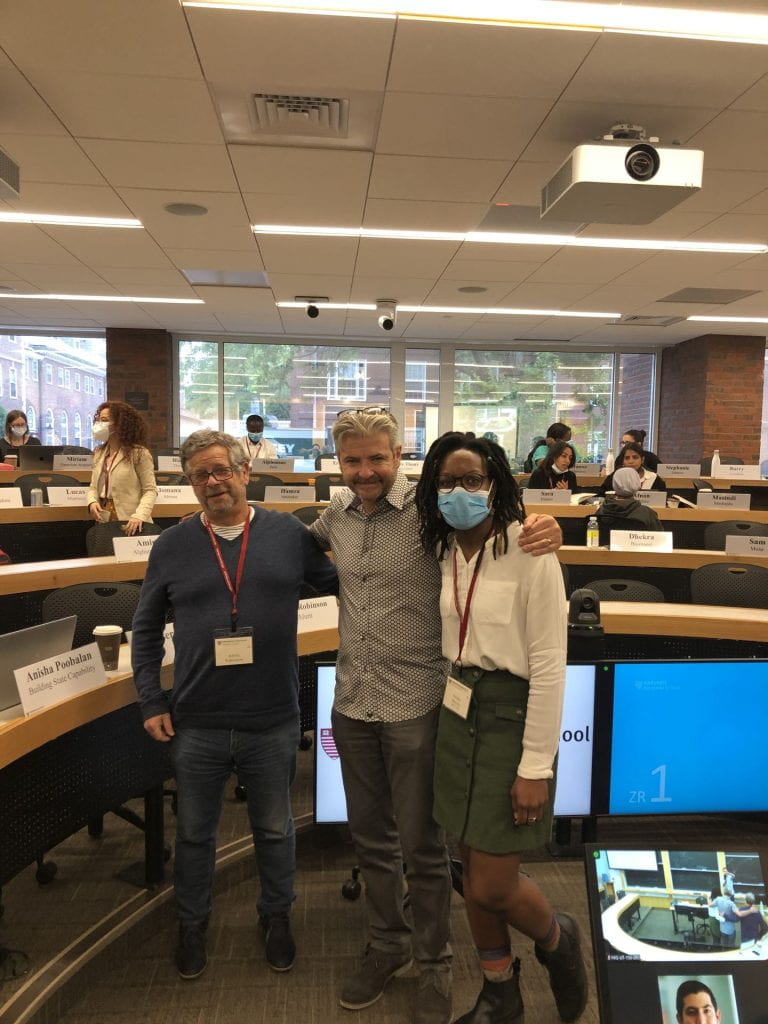
Having been minister of health of my country during the previous administration (2017-2019), I felt fairly confident in my own policy-making abilities but, at the same time, I realized that policymaking is not an abstraction. It should get to policy implementation and hopefully policy impact. However, as we learned through the IPP program journey, policy formulation, even policy adoption, can be very far from policy implementation and policy change. Even to have the support of the president himself, the top “authorizer”, is not enough to move forward some of the policies, as I painfully experienced as minister, where very good ideas thought and planned were lost in translation when facing the different stakeholders and agents involved in the implementation process. This existent and difficult-to-overcome gap, made me think that perhaps what I needed most was to learn a different approach for implementing public policies. I then talked to Michael Reich, an outstanding health political scientist from Harvard T Chan School of Public Health, who is my “policy” mentor and was my advisor during my term at the office. Together, we identified the IPP at HKS as the best option. He contacted Matt and later Matt and I had a call to talk about the IPP program. After that call, I was convinced that this was the program I badly needed, and made the decision to apply to the IPP program.
(more…)