
Using PDIA to Improve Literacy for Children in Argentina’s Schools
Guest blog by Karina Stocovaz, IPP ’24
For the past four years, I have led Instituto Natura, a corporate foundation that directs social investments to improve education across six Latin American countries. In Argentina, we work closely with provincial governments to design and implement literacy policies, aiming to ensure that all children learn to read and write at the right age. This foundational skill is not only key to their educational development but also to their ability to continue learning throughout their lives.
Collaborating with governments and various social actors can be complex due to the high level of uncertainty about how to drive systemic change within a web of dynamic relationships and, at times, conflicting interests. When I entered this course, I was hoping to find answers and concrete methods to address these challenges. What I found, however, was a deeply transformative experience, both personally and professionally, one that led me to rethink how we approach problems. It was a journey of learning alongside Matt, Salimah, their team, and colleagues from around the world.
(more…)BSC 2024: Year in Review
written by Salimah Samji
At Building State Capability (BSC) we resolve public problems with purpose. The increasingly complex, interdependent, and uncertain world we live in requires more flexible and adaptive approaches to solve complex problems, making the core of our mission more important than ever.
2024 was a year of new beginnings for BSC. We joined the Center for Public Leadership (CPL) at Harvard Kennedy School in July. This has been an exciting opportunity for us to leverage the synergies between CPL and BSC and enhance the capacity for principled, effective public leadership.
Here are some BSC highlights of the year:
- Directly engaged with 500+ policy practitioners in 40 countries to build their implementation capabilities.
- Began new PDIA engagements with governments in the city of Helsinki, the state of Wyoming, and in the country of Papua New Guinea.
- Published 230 blog posts, 9 podcasts, 3 newsletters, 2 cases, and 30+ weekly blog digests.
- Held 8 events that convened over 500 development practitioners – on campus, in London, Spain, and Azerbaijan (virtual).
- Launched our new community of practice platform. We hope to expand and activate our community in the months to come.
- Translated our PDIA Toolkit into French and Arabic. It is also available in English, Spanish, Portuguese, German, Indonesian, and Khmer.
- Expanded our team by hiring two new BSC fellows, Catalina Reyes, and Mannat Singh.
- Employed 8 students as research/teaching assistants, providing them with job training skills as well opportunities to learn how our concepts and tools are applied by practitioners around the world.
2025 promises to be another exciting year for us. Here are a few things we have in store for you: a new Instagram account, more country engagements, cases, blog posts, podcasts, events, and expanding our community of practice platform to include everyone we have ever engaged with or trained. Subscribe to our newsletter and/or blog digest to stay in touch.
Here is a detailed account of our activities in 2024.
Building Implementation Capabilities
We believe that problems are entry points to change and working in teams is the vehicle for change. We convene implementation teams who work iteratively and autonomously to solve their own nominated problems. The teams learn new problem-solving tools and achieve results as well as tangible capacity gains. We build capability by delivering results.
In 2024 we trained and engaged with 500+ policy practitioners in graduate degree programs and executive education at Harvard, as well as in policy engagements with governments at the city, state, and national level.
In January 2024, Matt Andrews and Salimah Samji, co-taught the class entitled, PDIA in Action: Development through Facilitated Emergence at the Harvard Kennedy School. We invited 8 alumni of our Implementing Public Policy Executive Education program to nominate real-world problems for the students. These included: (i) Transit Ridership in New Orleans, Louisiana (ii) Reengaging Marginalized Populations into the Workforce in the state of Wyoming, (iii) Attracting Financing to Zambia, (iv) Housing Crisis for Ukrainian Refugees in Massachusetts, (v) Access to Space for Saudi Arabia, (vi) Lack of Collaboration for Economic Development in Laramie, Wyoming, (vii) Chronic Malnutrition in Angola, (viii) Re-integrating justice involved citizens in Indianapolis. 33 graduate students across Harvard completed the course from January-March 2024. You can read more about what students learned about dealing with uncertainty, the importance of different perspectives, iteration, and team-work.
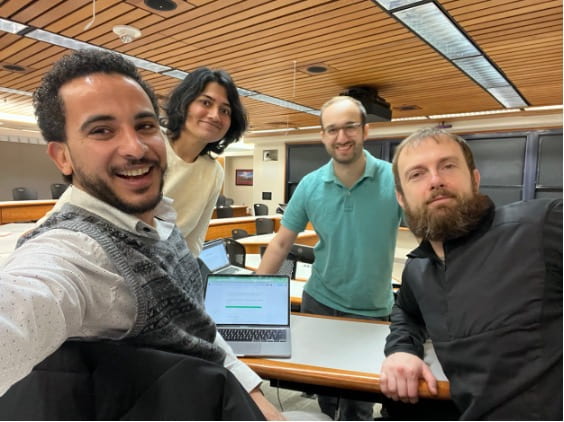
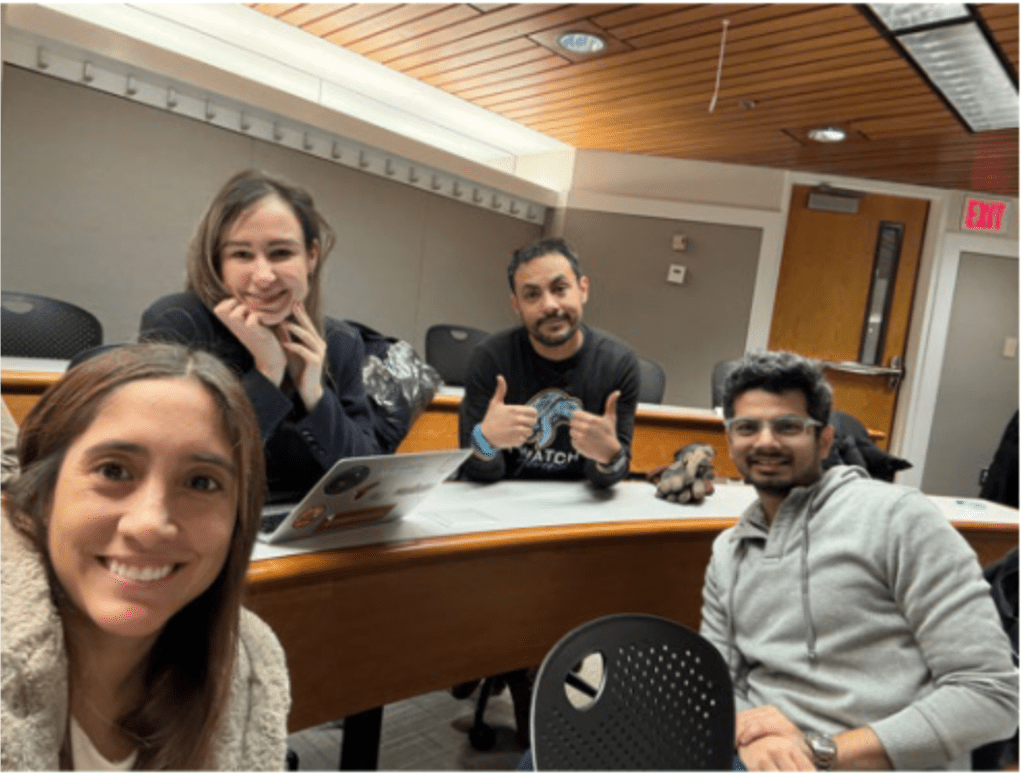
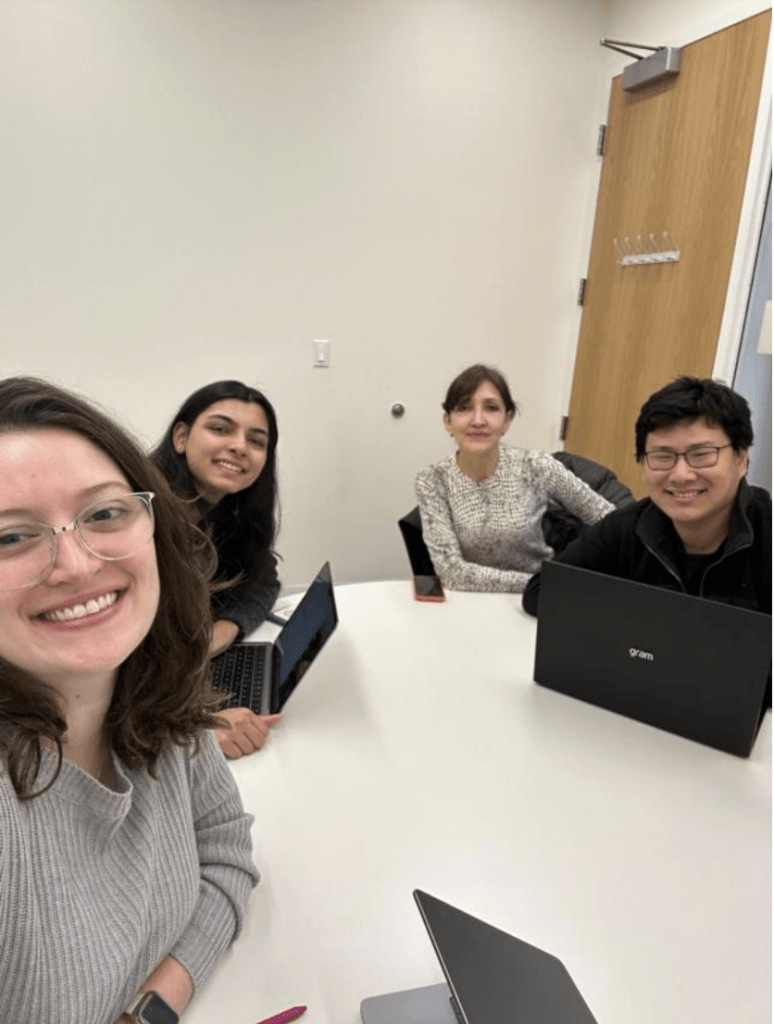
In February 2024, Matt Andrews and Salimah Samji led an 8-session virtual PDIA training workshop for the Inter-American Development Bank’s social protection and health division staff. The program was delivered simultaneously in Spanish. 38 IDB staff completed this program.

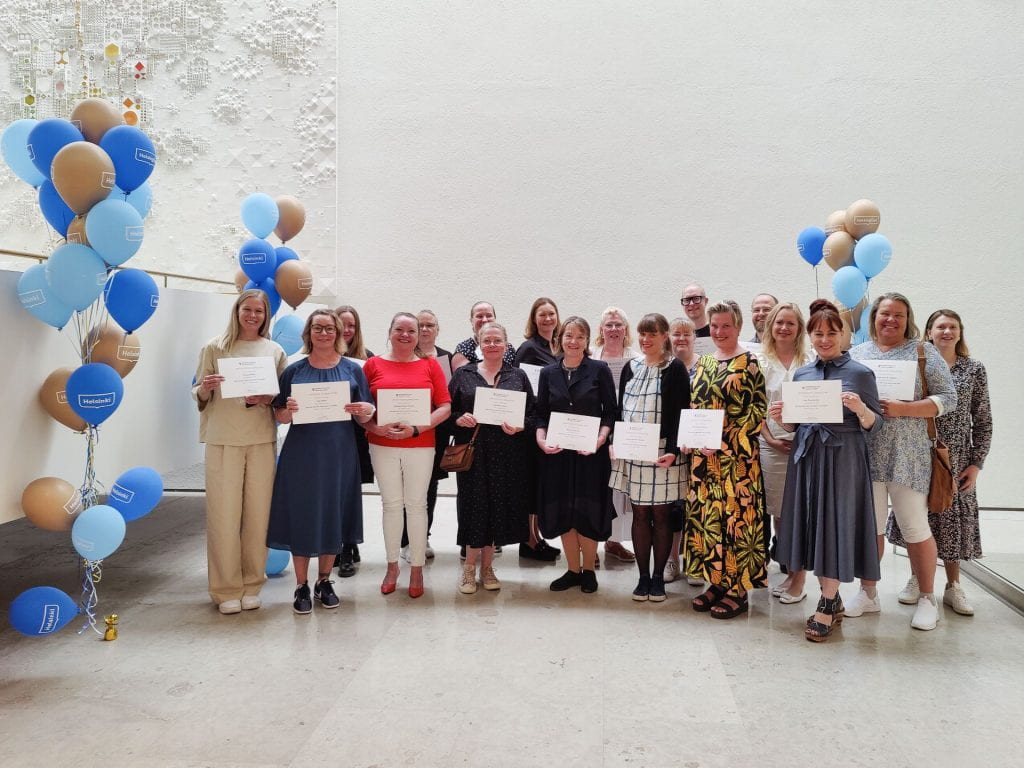
In March 2024, we began a 12-week PDIA online action learning program in Helsinki for 24 city leaders working across 5 teams. They worked on a range of problems and explored a variety of causes including the lack of activities for youth, drug abuse, harassment, lack of social cohesion, insufficient services, disengaged parents, absent fathers, and isolation due to language/cultural barriers. The teams broadened their network of stakeholders, improved their collaboration skills, took small steps, iterated, and fostered continuous learning. You can learn more about the Helsinki program.
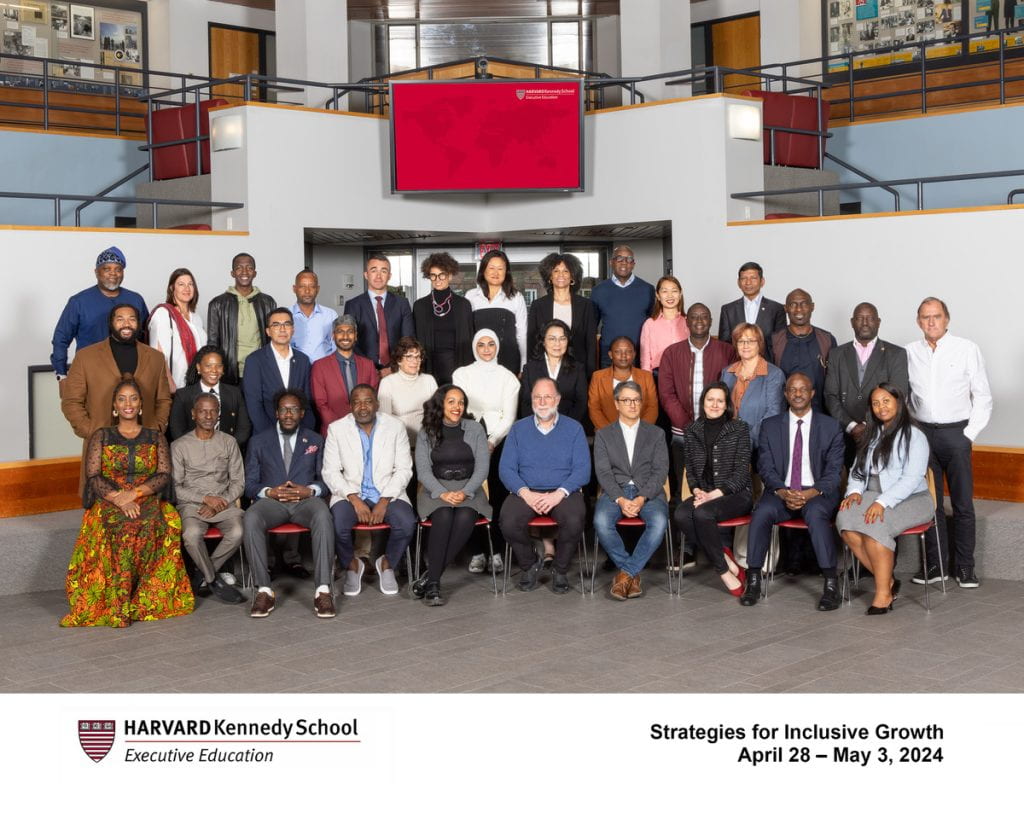
In April 2024, we launched a new 5-day executive education program titled, Strategies for Inclusive Growth. Matt Andrews co-chaired this program with the Growth Lab’s Ricardo Hausmann. 33 practitioners successfully completed this program.
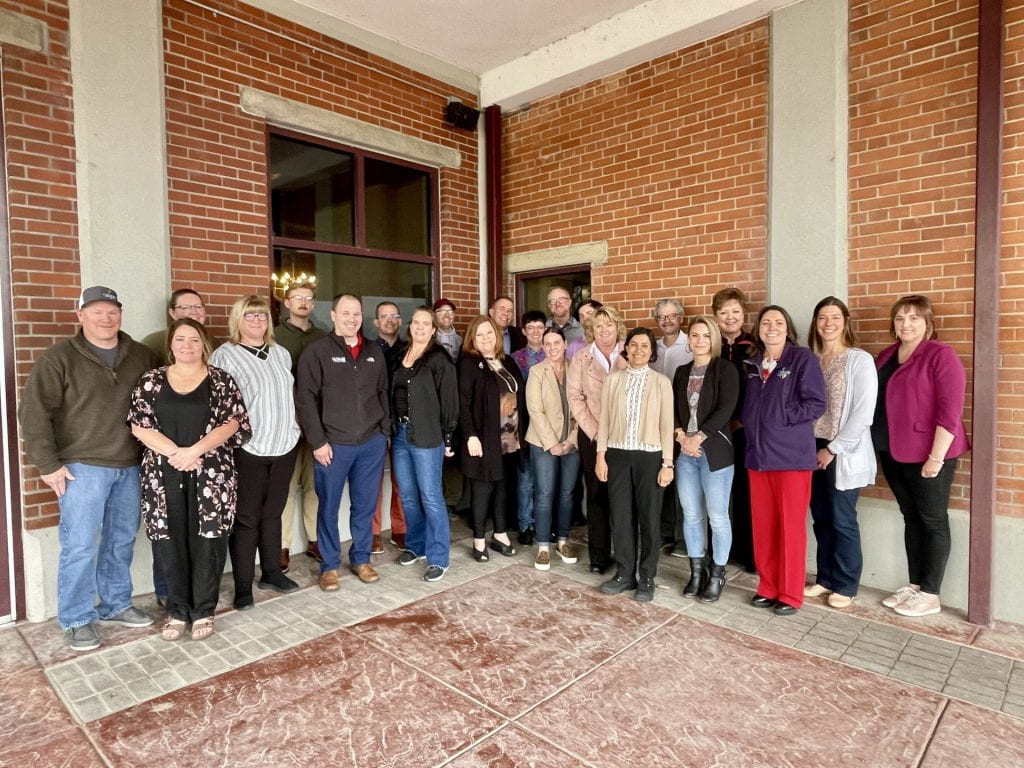
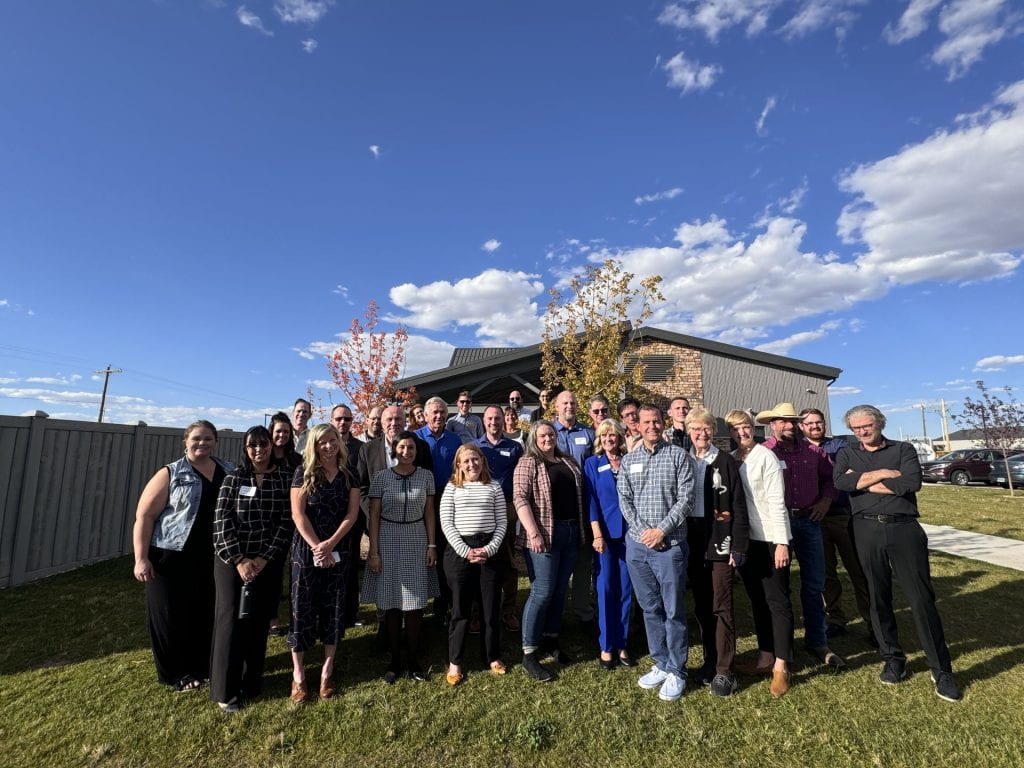
In May 2024, we launched a new PDIA for economic growth in Wyoming program. 16 participants across 4 multi disciplinary teams participated in the PDIA program kickoff in Casper. In September 2024, we began to work with a second cohort of 22 participants across 3 multi disciplinary teams in the PDIA program kickoff in Laramie. The teams constructed and deconstructed their nominated problems, and found entry points to take action. While doing so, they learnt the importance of engaging with diverse stakeholders, collaborating with others, gaining authorization, and iterating throughout the process to keep moving forward. You can learn more about the Wyoming program.
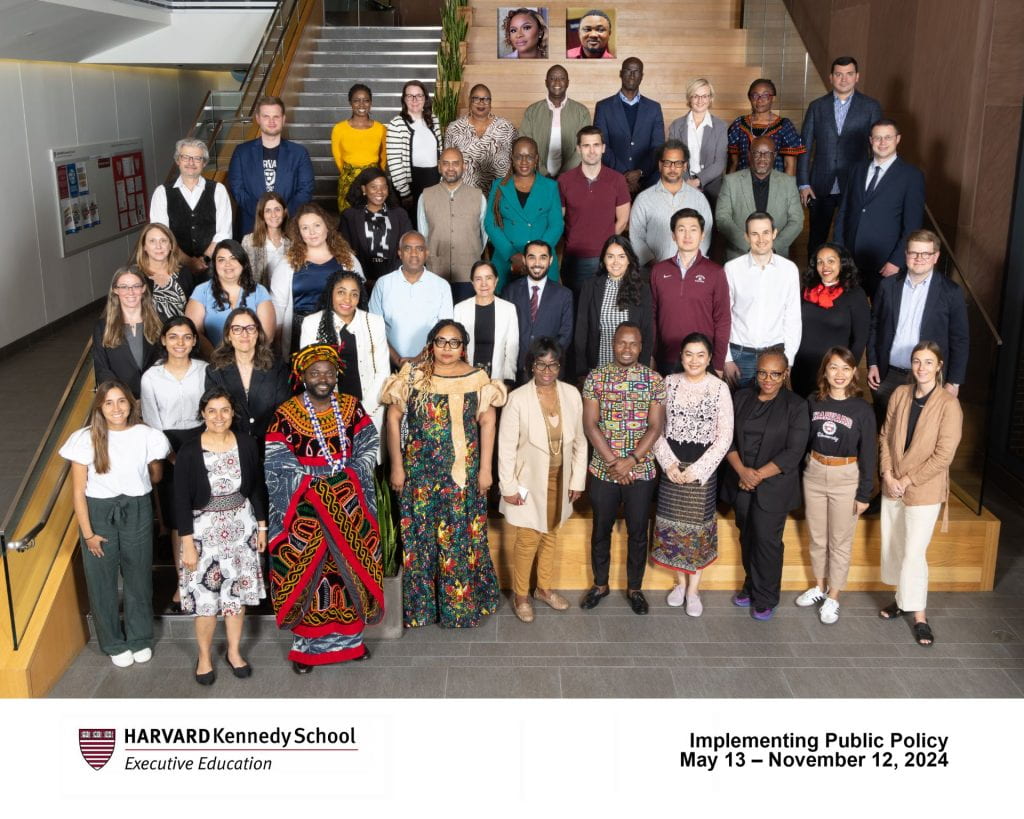
In June 2024, we welcomed the sixth cohort of our flagship Implementing Public Policy (IPP) executive program to campus. 41 practitioners participated in this program from May-November 2024. You can read more about what IPP practitioners learned.
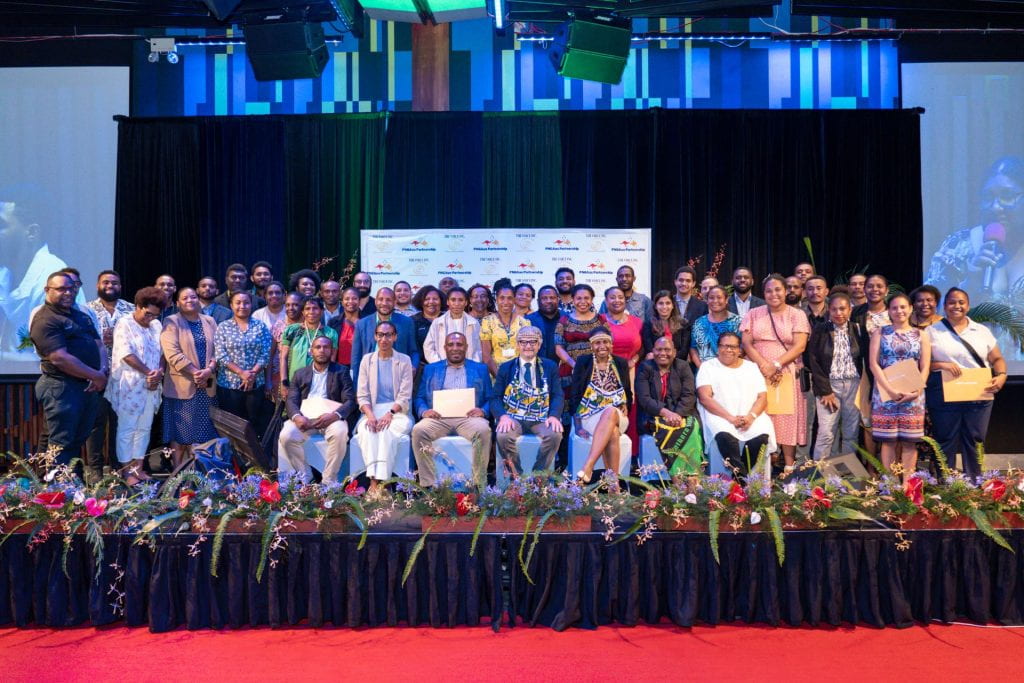
In August 2024, we began out third year offering a 12-week PDIA online action learning program for The Voice Inc, a Papua New Guinean organization delivering its Australian Government supported Local Leadership & Collective Action Program, to build the capability of local leaders to create broad coalitions for change. 31 development leaders across 6 teams participated in the PDIA program. You can learn more about the PNG program.
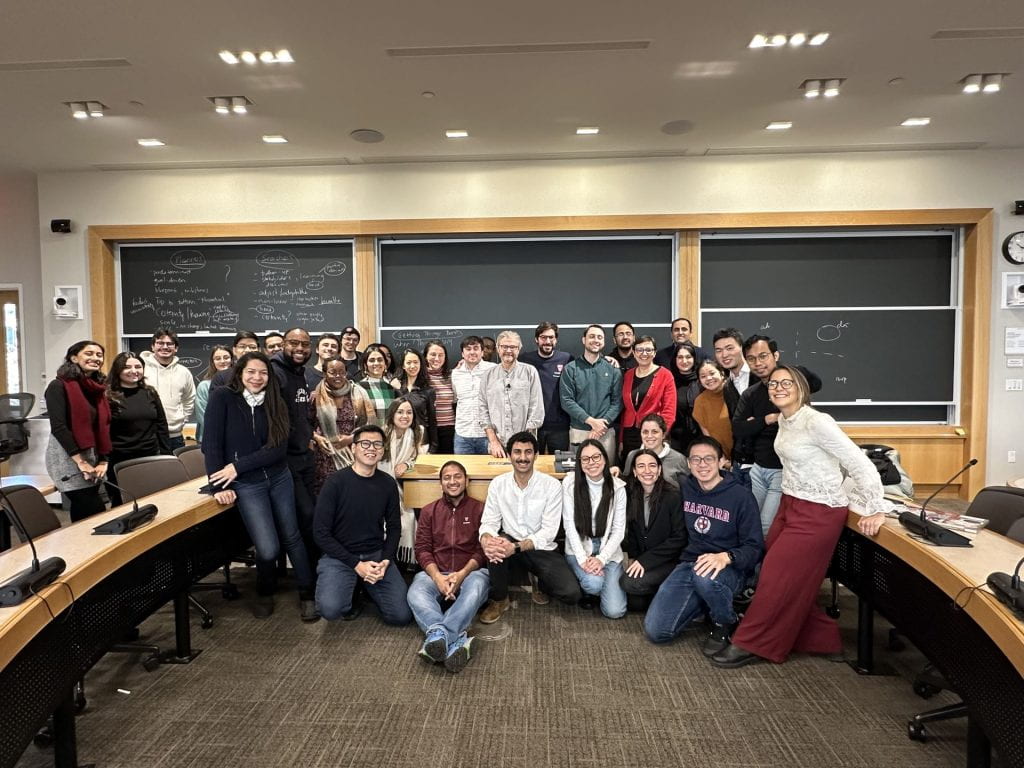
In September 2024, Matt Andrews taught his flagship course entitled, Getting Things Done: Management in a Development Context at the Harvard Kennedy School. 102 graduate students completed the course in December 2024.
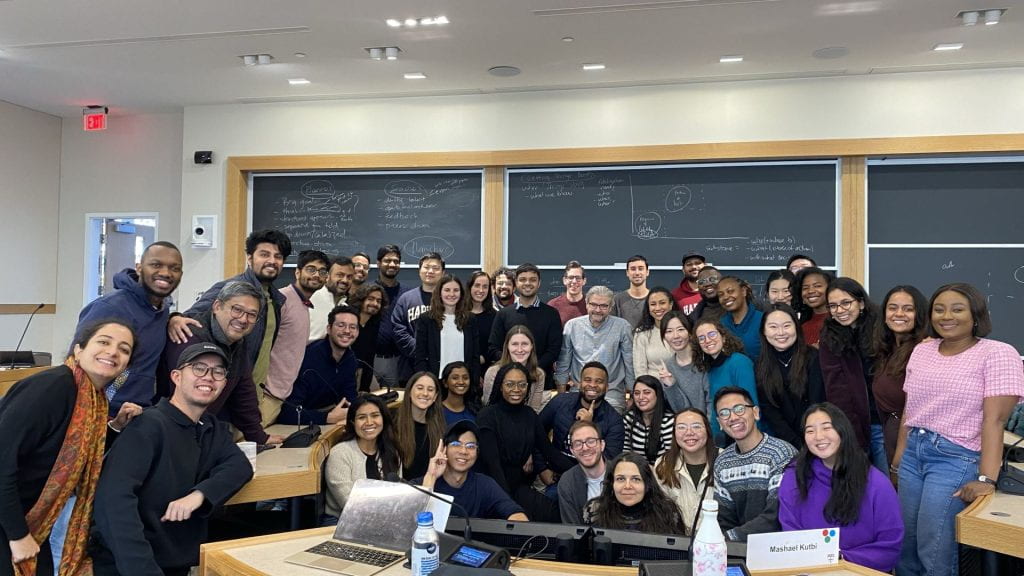
In October 2024, Matt Andrews co-chaired the 10-week online program Leading Economic Growth (LEG) with Ricardo Hausmann. 47 practitioners participated in this program in December 2024. Read more about what LEG participants learned.

Podcasts
Our podcasts feature interviews on new research by our faculty/associates, and share practical strategies and tactics to solve complex problems.
This year we posted 3 podcasts featuring practitioners who are applying PDIA in their countries.
- PDIA in the state of Meghalaya, India (featuring Sampath Kumar).
- Applying PDIA to Public Financial Management in Africa (featuring Joana Bento and Danielle Serebro).
- Practicing PDIA in Papua New Guinea and Timor-Leste (featuring Kirk Gibson).
We also launched a new 6-part podcast series featuring Marshall Ganz on Leadership, Organizing, and Action. Ganz highlights five key practices of organizing: building relationships, telling public narratives, strategizing, taking action, and creating structure. He emphasizes how each practice is rooted in human capability and involves both skill and personal values. Ganz describes the importance of commitment in relationships, the role of emotion and values in storytelling, the creativity that underpins effective strategy, the need for motivational task design in action, and the benefits of collaborative leadership teams in structured efforts. Throughout the discussion, Ganz underscores the importance of learning, adaptation, and the evolution of leadership in organizing.
Events
We host events featuring researchers, practitioners, policymakers, and academics who are working to solve complex problems.
This year we returned to hosting in person events but also invited virtual participants around the globe to join us. The energy in the room, the laughs, and the buzz of live interactions was palpable.
Here are the events we held this year:
- Reflecting on a Decade of Building State Capability
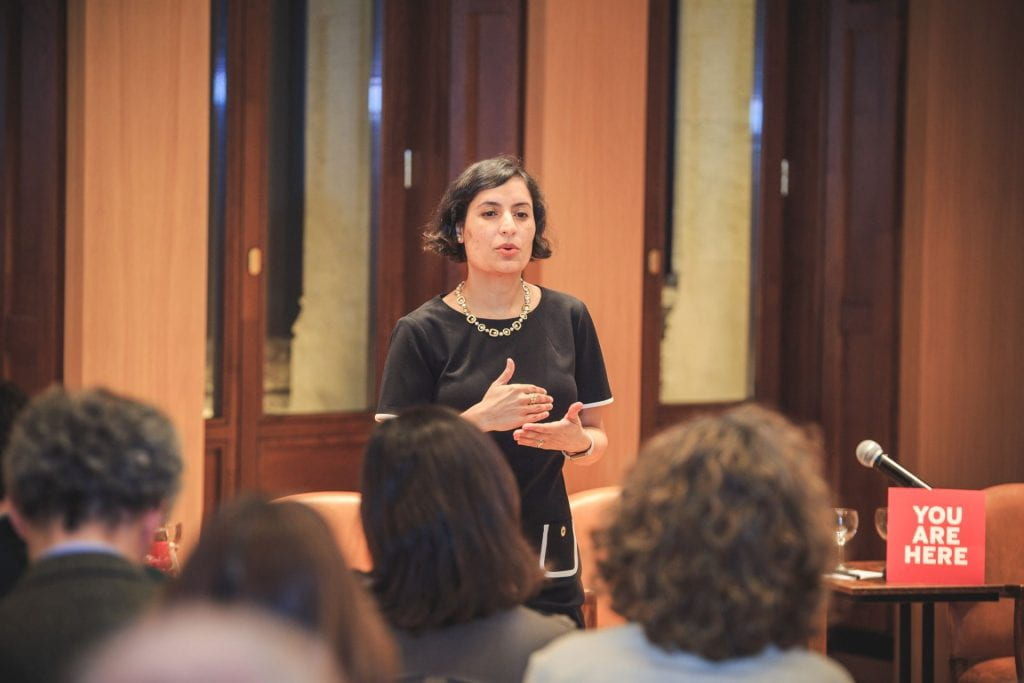
In March 2024, Salimah Samji presented BSC’s work over the past decade at an alumni event held at the El Ateneo de Madrid.
2. Building a Better Tomorrow
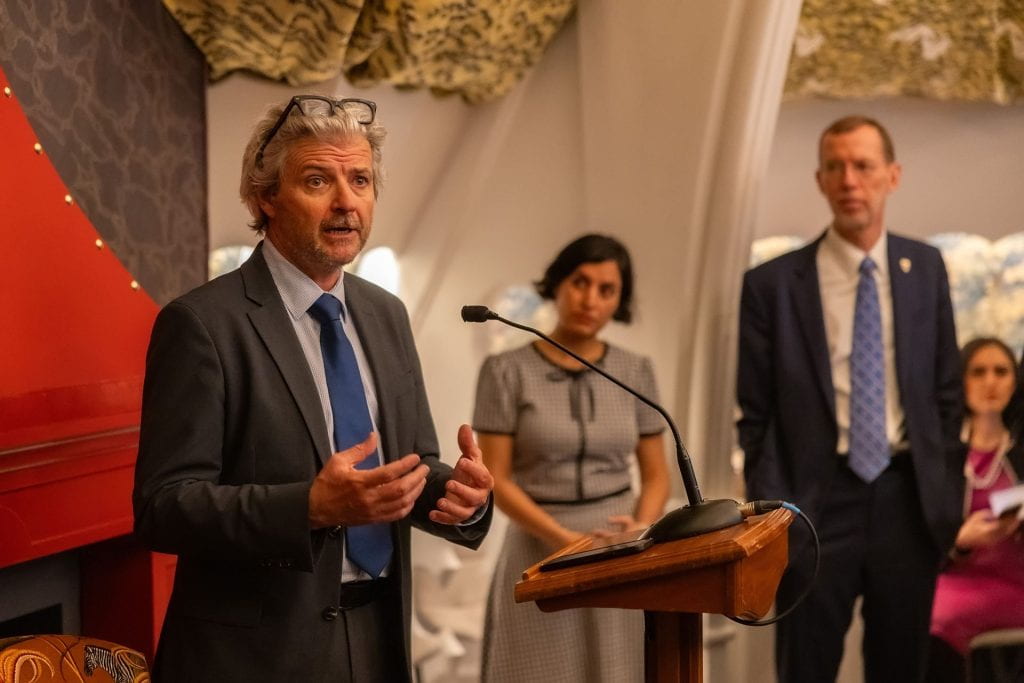
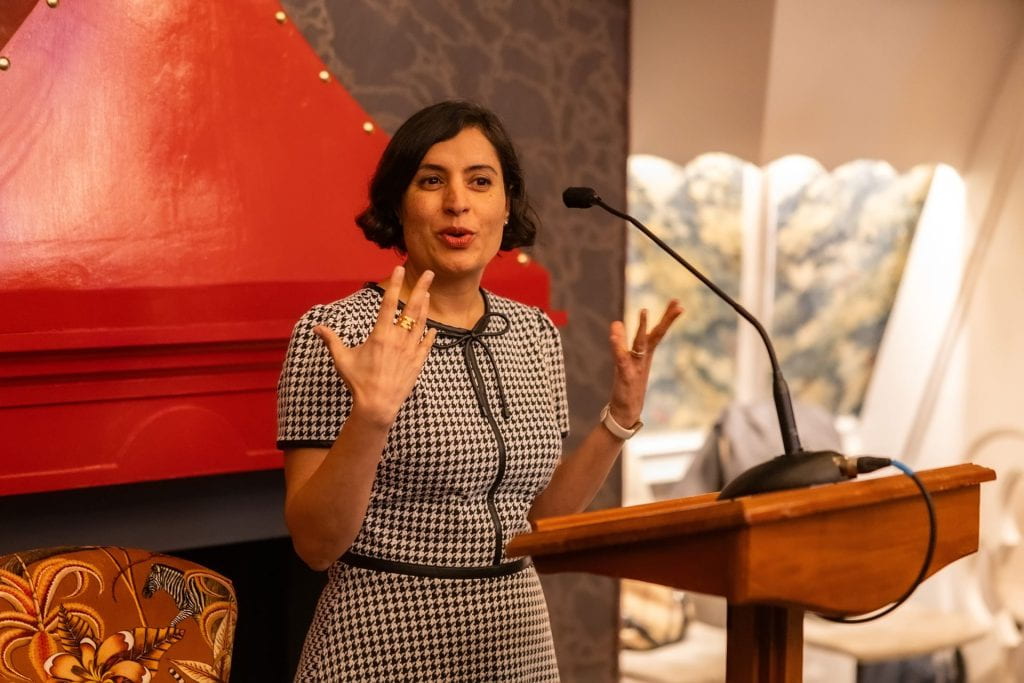
In March 2024, Matt Andrews and Salimah Samji presented BSC’s work at an alumni event held in London. This was part of the events organized around the HKS Dean’s Council meeting in London.
3. Mental Health and Inclusive Education in Belize
In June 2024, Matt Andrews interviewed Christy Almeida, Program Coordinator for the Special Education Unit in Belize, to learn how she used PDIA to address mental health concerns in the education sector. Christy discusses adapting the PDIA process, building a team, utilizing PDIA tools like the fishbone diagram to deconstruct the problem and identify entry points, and more. Thanks to her team’s efforts the historic disabilities bill was passed in Belize in early July. Watch the recording on inclusive education in Belize.
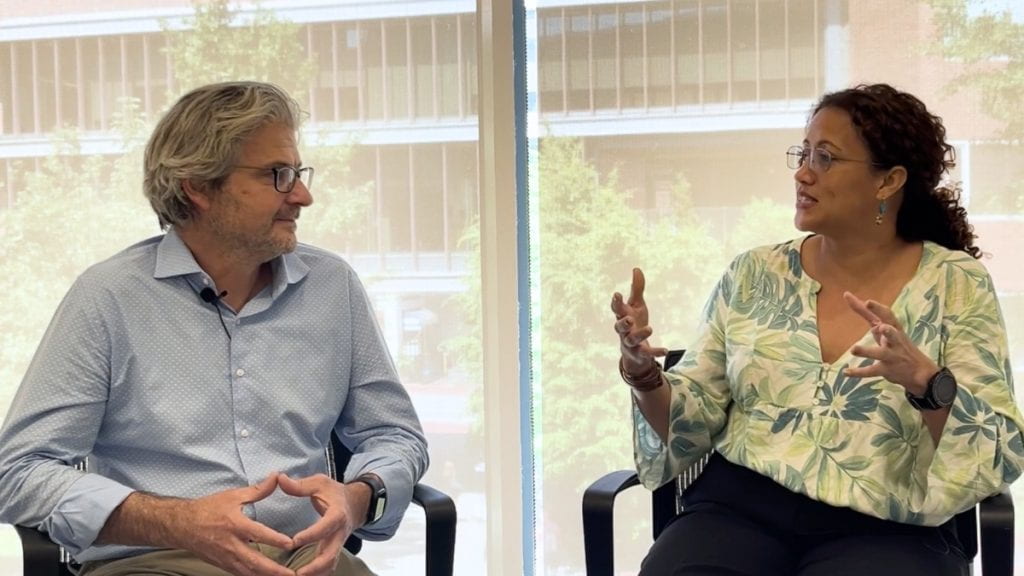
4. How to Build State Capability
In September 2024, Matt Andrews held a virtual discussion on building state capability for the office of the president of Azerbaijan, and various departments including the working group for COP29. HKS alumni from Azerbaijan and the Eurasian region also attended the session.
5. Why Trust (not Money, Data, Evidence, Argument, Credentials) is the Currency of Change
In this talk, Rakesh Rajani shared candid reflections on the complexities of driving systemic change in government and development. Drawing on 25 years of experience in civil society and philanthropy, Rajani recounted personal stories of success and unexpected failure in Tanzania and beyond. Rajani discussed key findings from research on state capability initiatives, highlighting the importance of understanding political contexts, focusing on implementation over policy design, and reimagining accountability as a collaborative rather than adversarial process. He emphasized the need for deep work and the ability to build working coalitions across differences. This thought-provoking talk provides valuable insights for policymakers, activists, and development professionals hoping to effect meaningful change in complex political systems. Watch the recording for Why Trust is the Currency for Change.
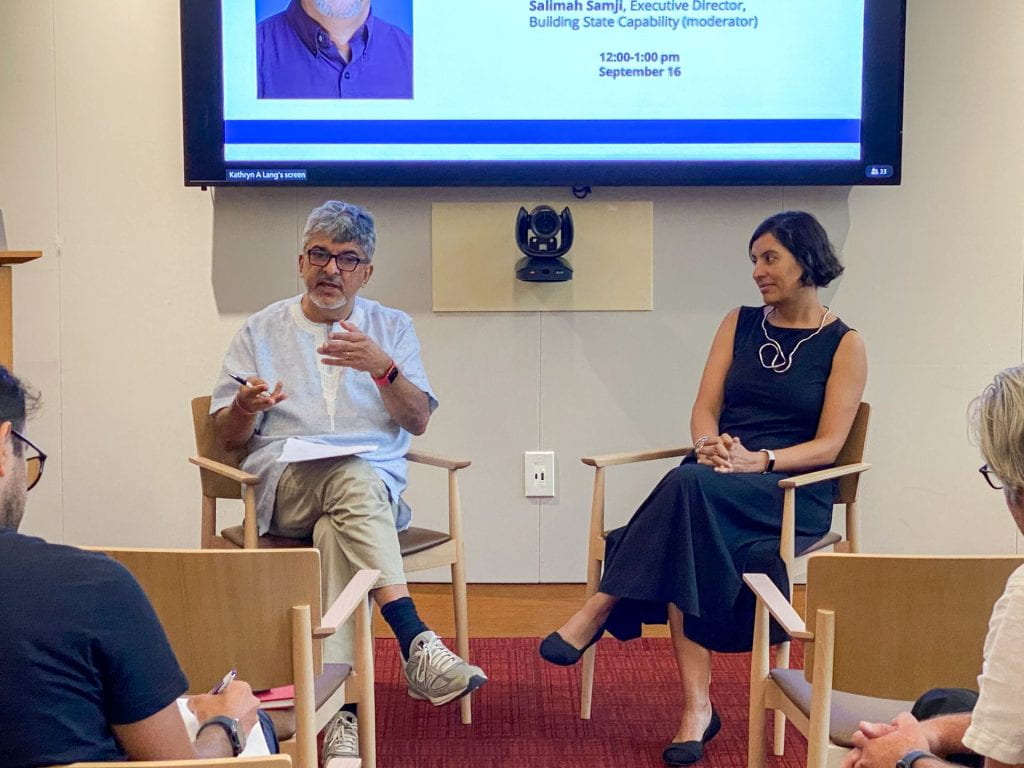
6. On Democracy, Welfare Politics, and India’s General Election
In this talk, Yamini Aiyar discussed the intersections between welfare politics, state capability, and democratic institutions in India’s 2024 elections. She examined how direct benefit transfers and technology-driven welfare schemes have shaped political attribution and voter behavior and highlighted the emergence of competitive welfare politics among regional parties and the impact this has had on federal dynamics. Yamini raised additional concerns about how this welfare system may be changing the nature of citizenship and centralizing power in the hands of a small number of political elites. She emphasized the importance of maintaining public spaces for contestation in governance and pushed for a nuanced understanding of state capacity that extends beyond technological interventions. Aiyar concluded by reflecting on why professions and institutions in India have struggled to maintain independence from the state and called for strengthening democratic institutions. Watch the recording of Democracy, Welfare Politics, and India’s General Election.
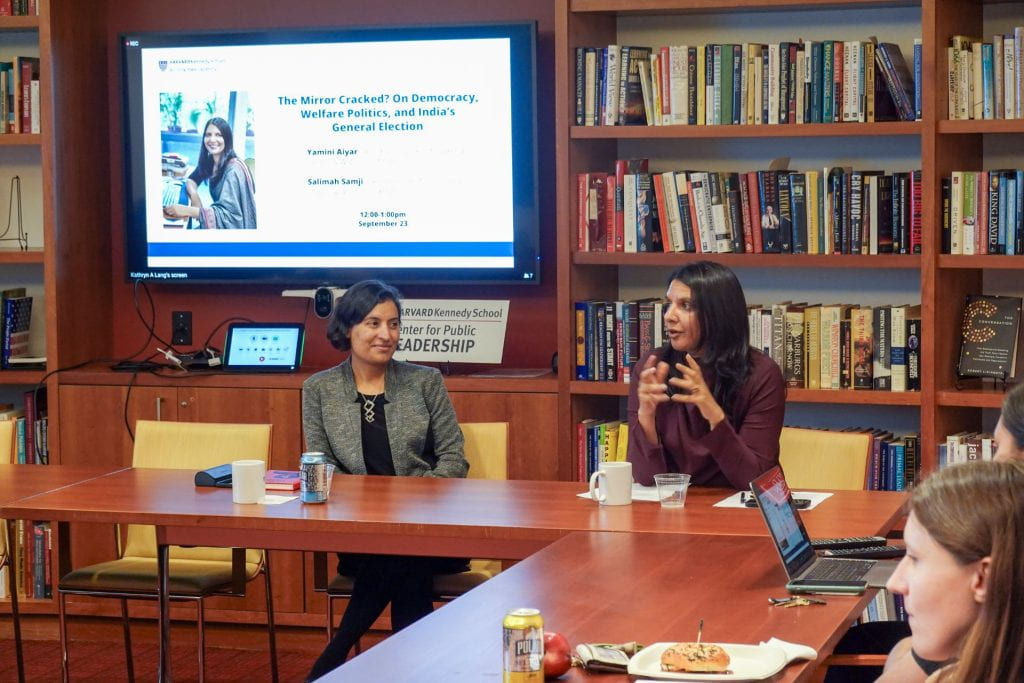
7. Good Intentions, Great Laws, Terrible Outcomes
In this talk, Lant Pritchett addressed the question “how did we go from the end of history in 1989 to where we are today?” Students had the opportunity to ask their burning questions. This event was not recorded.
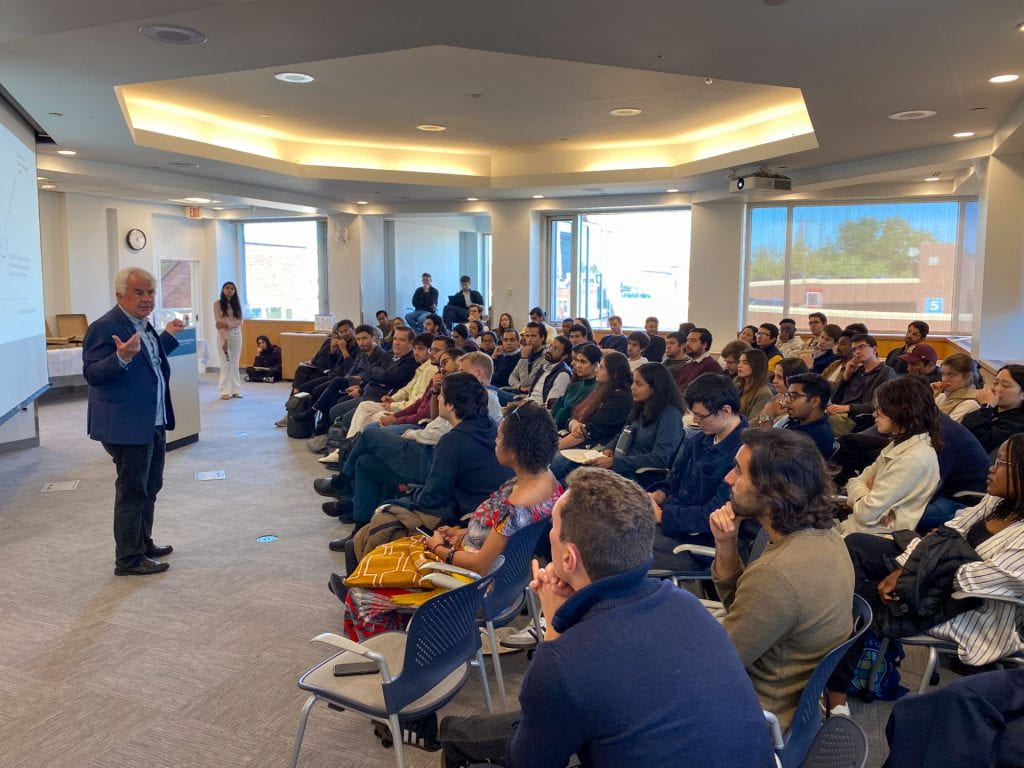
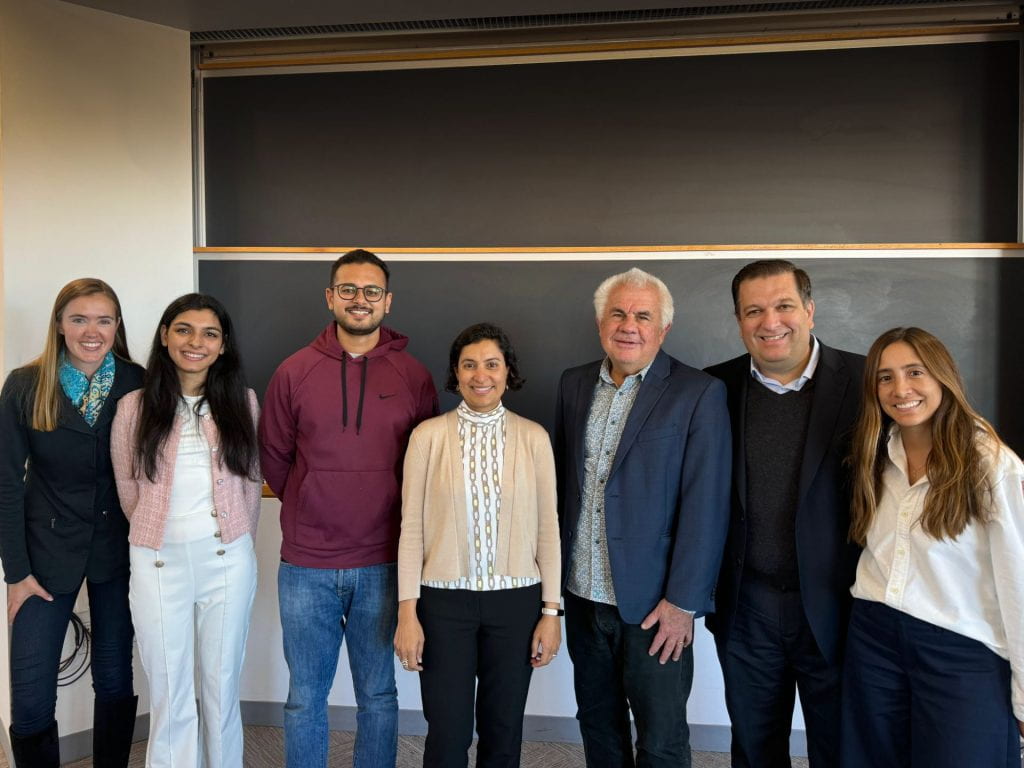
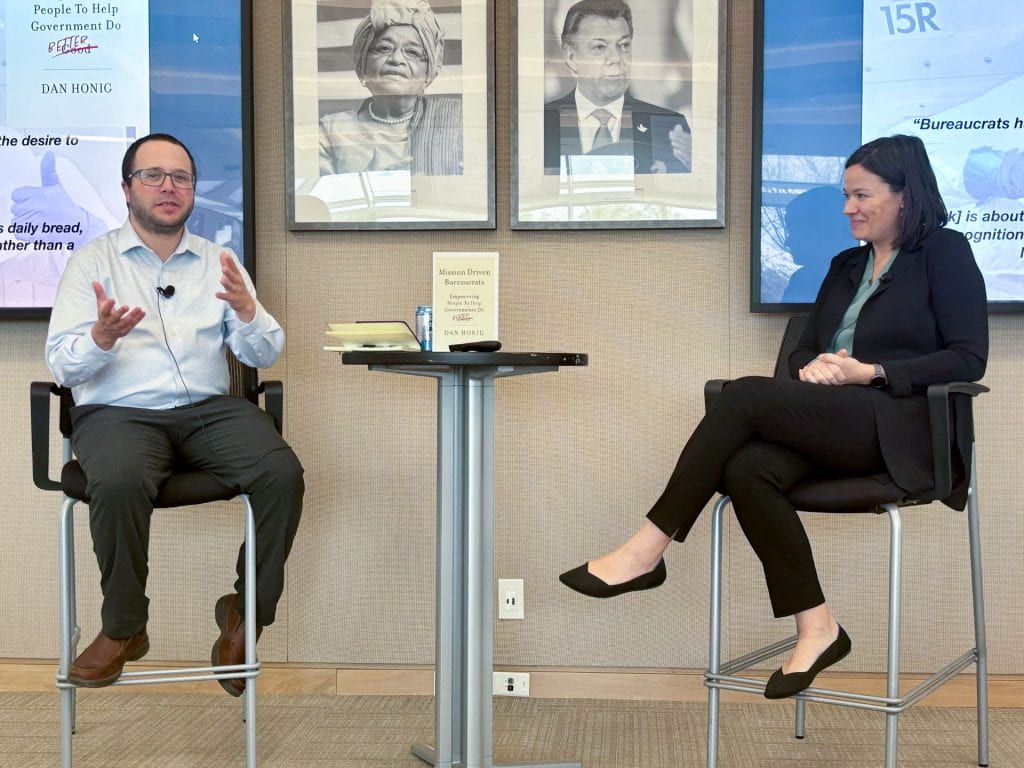
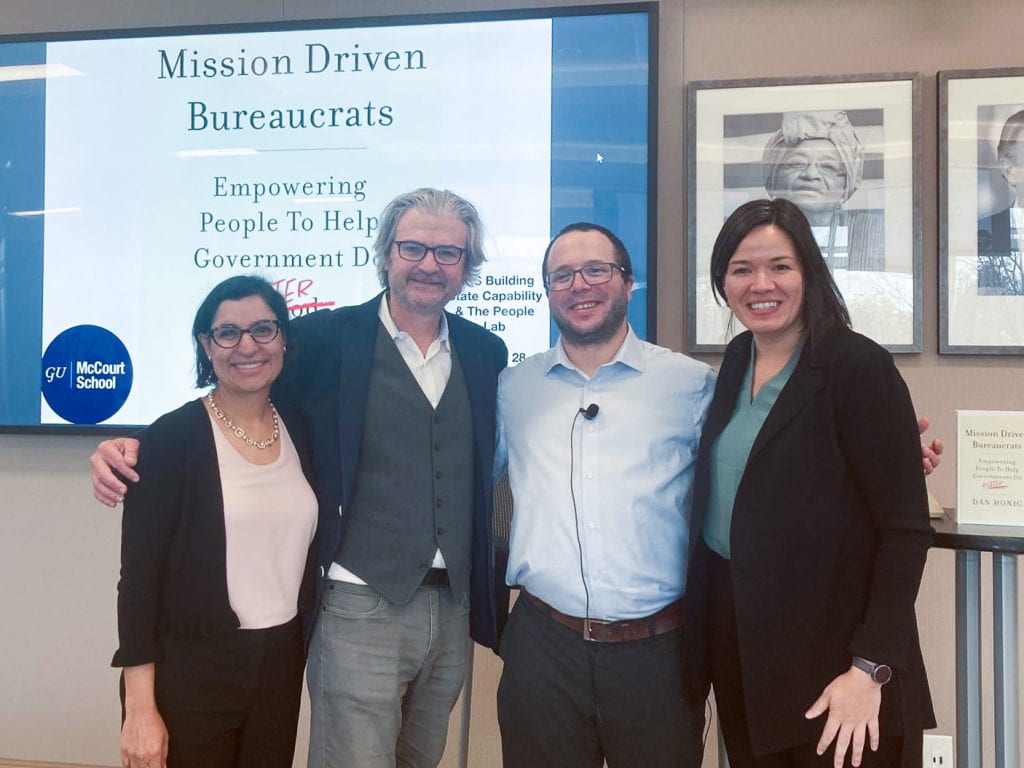
8. Motivation and Purpose in the Public Sector
In this talk, Dan Honig discussed the relationship between empowerment and compliance-based management in the public sector. He outlined research showing how excessive focus on compliance and control tends to undermine performance and motivation among public servants, demonstrating through examples drawn from different countries that when public sector workers are given autonomy and feel connected with their mission, they perform better and are more likely to remain committed to their roles. Honig rejected some common misconceptions about how to manage public servants, arguing that the desire to serve the public good remains universal across countries and the generational gap. Through examples like Hurricane Sandy relief efforts and child protective services in Detroit, Honig illustrated how compliance-oriented accountability systems, while intended to prevent abuse, often create contradictory incentives that make it hard for mission-driven bureaucrats to serve effectively. He highlighted that empowerment and compliance aren’t mutually exclusive, and that government agencies are putting too much emphasis on compliance. Watch the recording of Motivation and Purpose in the Public Sector.
PDIA to Address SARV Cases in Simbu Province, Papua New Guinea
Guest blog by Team Akepile: Surgant Gand Mond, Rose Dama, Mathew G. Jonathan, Elizabeth Kai, Lilly Graham, Jack Maima, and Belinda Kora
Key Learnings from the PDIA Course
Our PDIA journey taught us valuable lessons about addressing complex social issues:
- We were able to identify different causes and sub-causes as a team when applying the PDIA process
- We were able to identify local solutions to our local problem
- We realized the importance and understand the true meaning of working together as a coalition team in addressing our local problem
- The development and the consistency in updating our team constitution is something that we learned and embrace to solve our complex problem
- Importance of trust, commitment, delegation of responsibilities and time management have helped us to identify and work on the task that is before us
Navigating Complexity with Clarity: Mental Health in Kenya
Guest blog by Lynette Etemesi, IPP ’24
I recently had the incredible opportunity to attend Harvard University’s Implementing Public Policy (IPP) Program. This intensive course brought together policy professionals, change-makers, and thought leaders from around the world, all focused on a singular mission: to create meaningful, lasting impact in our respective fields. As I reflect on my experience, I am completely in awe by how this program not only challenged my assumptions and broadened my perspective but also equipped me with practical tools to navigate the complex world of public policy.
(more…)PDIA to Engage Youth in Papua New Guinea’s Tuna Bay Area
Guest blog by Anna Ga’a, Denphil Hunt-Mitir, Nabieu Lansana, Solomon Mape, Julia Tubang
Doing the PDIA program was unexpected for our group; initially, we doubted we could tackle the process effectively. But, by welcoming PDIA’s open and collaborative approach, we embraced the challenge. Here’s an overview of our journey, including the lessons learned, the challenges met, and our commitment to continue our work with the youths in Tuna Bay.
(more…)Coordinating Workforce Development Services in Rural Arizona
Guest blog by Jeremy Flowers, IPP ’24
I was born and raised in New England, where Harvard University holds mythological levels of prestige. So, when I applied for the Kennedy School’s Implementing Public Policy program, I expected knowledge and skills that couldn’t be obtained anywhere else, and world-class presentations by dazzlingly brilliant professors. I was shocked by how far the experience exceeded even this high bar.
The crux of the program is Problem Driven Iterative Adaptation, a set of data-driven techniques for solving complex governmental challenges. These include procedures like the infamous fishbone diagram, a handy way of analyzing a problem’s contributing factors. However, these strategies are underpinned throughout the course by a surprising foundation of emotional intelligence and interpersonal skills. The class covers practicalities like building legitimacy, engaging detractors, and recognizing informal authority, so students will be able to overcome the many unexpected obstacles they encounter when tackling policy problems in the real world.
(more…)Supporting Survivors of Gender-Based Violence in Papua New Guinea
Guest blog by Sharlene Gawi, Nesther Horiva, Audrey Kari, Naijolin Tumul
Gender-based violence has become a prevalent and growing issue in Papua New Guinea. Research from the 2016-2018 Demographic Health Survey showed that at least 68% of women in PNG have experienced this violence at some point in their lives. This is double the global average.
The establishment of the National Gender-based Violence Secretariat to coordinate and enforce the government’s strategy and policies in the fight against gender-based violence is a recent development in the country that fosters much hope.
(more…)Low Economic Engagement of Youth in Agribusiness Opportunities in Kutubu, Papua New Guinea
Guest blog by Elsie Mongoru, Alexander Tanabi, Dorcas Mileng, Emmanuel Kokiva, Evenezer Tanda, David William, Nancy Ilambi
In the heart of Papua New Guinea lies Kutubu rural local government area in Nipa Kutubu District of Southern Highlands Province. The population is estimated to be 24,155 with a youth population of around 7,229 of which 43% are female. From the Kutubu Local Level Youth Development Council (KLLYDC) baseline data, 12% are out-of-school youths who have never attended school or have completed elementary school only. The targeted population of out-of-school youth aged 16-35 in Kutubu face limited employment opportunities. Over 12 weeks, PNG Themis explored the complex issue of minimal youth participation in agribusiness as part of our PDIA course, addressing the challenges of economic engagement for those who have moved away from traditional education. Together, we uncovered new perspectives, faced hurdles, and built bonds that have strengthened our resolve to make a lasting impact.
(more…)Podcast: Managing Difficult Conversations Effectively with Rob Wilkinson
Solving complex problems usually requires engaging in difficult conversations. In conversation with Building State Capability, Harvard Kennedy School Professor Robert Wilkinson shares insights on how to manage challenging interactions effectively. Instead of focusing on advocacy, which is forcing information and arguments at others, Wilkinson highlights the power of inquiry, genuine listening, and empathy.
Through thought provoking examples, including his work with the World Wildlife Fund (WWF) in the run up to the Paris climate talks and a colleague’s experience implementing vaccine campaigns in Nigeria, Wilkinson illustrates how this approach can transform seemingly intractable situations. By seeking to understand others’ perspectives employing curiosity and active listening, practitioners can build trust and the mutual understanding needed to have meaningful influence in an organization. This process allows individuals to craft messages that resonate with their audience’s needs and concerns, rather than pushing a unilateral agenda.
(more…)Case: Finding Entry Points for a Recycling Problem
In the city of Blueville, after understanding their recycling problem through the Problem-Driven Iterative Adaptation (PDIA) process, the team faced a new challenge: the mayor requested a six-month action plan focused on quick and effective problem-solving. While the timeline seemed daunting given the complexity of the recycling issue, their coach encouraged an adaptive strategy emphasizing rapid, iterative development of solutions.
The team began by identifying specific areas for intervention – a two-block area in the city center and two large bus stops – and setting measurable targets. They then transformed their problem analysis into a capabilities-focused roadmap, converting challenges like “constituents don’t know what can be recycled” into positive capabilities like “constituents know what is recyclable.” Using criteria of criticality and accessibility, they selected two initial capabilities to develop: improving constituent knowledge of recyclables and creating city incentives for compliance. This structured, sequential approach to building new capabilities provided a clear path forward while maintaining flexibility for learning and adaptation.
(more…)