Transformative change in complex systems requires a flexible and iterative approach with teams of people with different skills, ideas, and authority to work together.
Project Team
Matt Andrews, Salimah Samji, and Mayra Hoyos (2022), Kriti Chopra (2023), Mannat Singh (2024), Marietou Diallo (2025)
September 2022 – November 2025
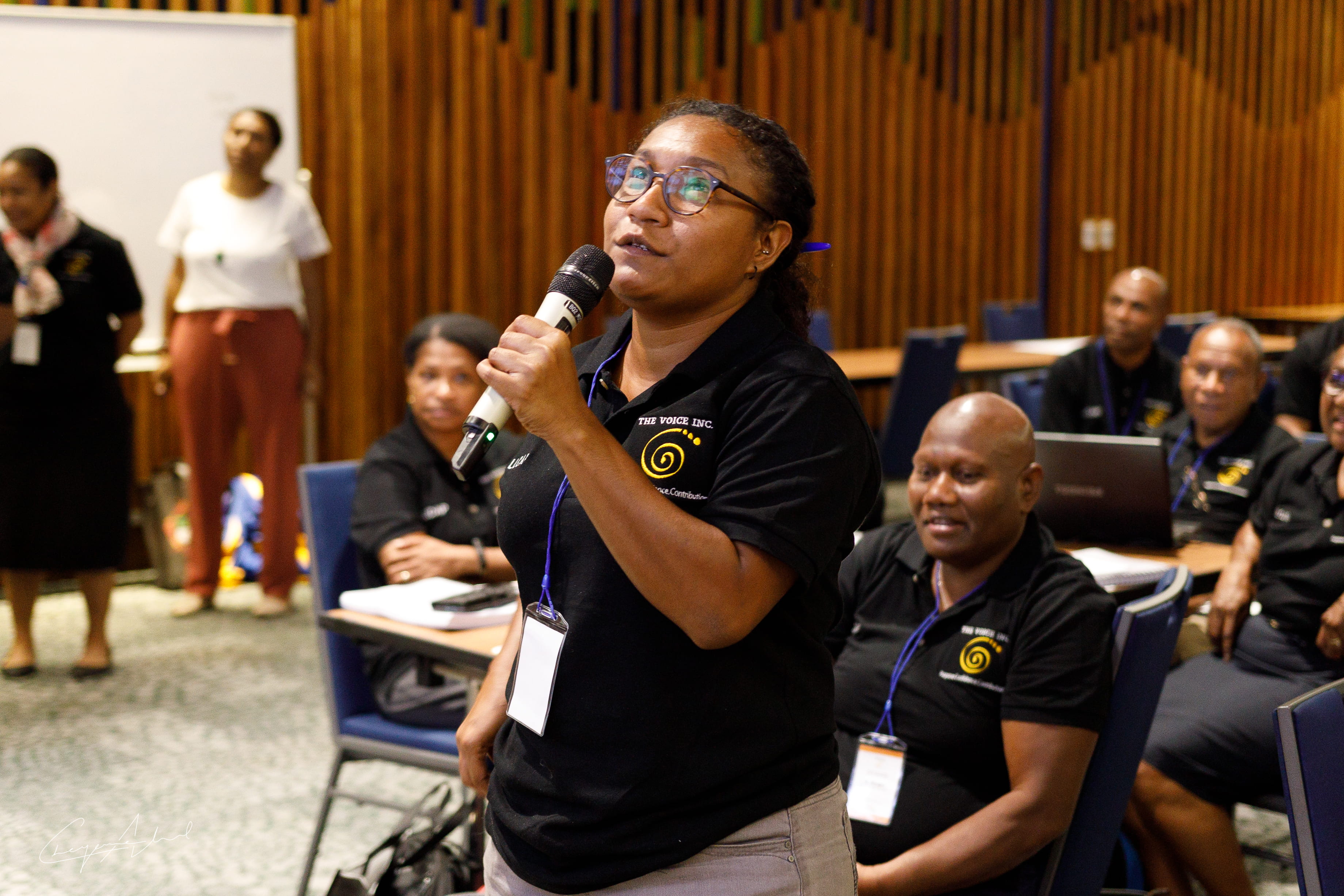
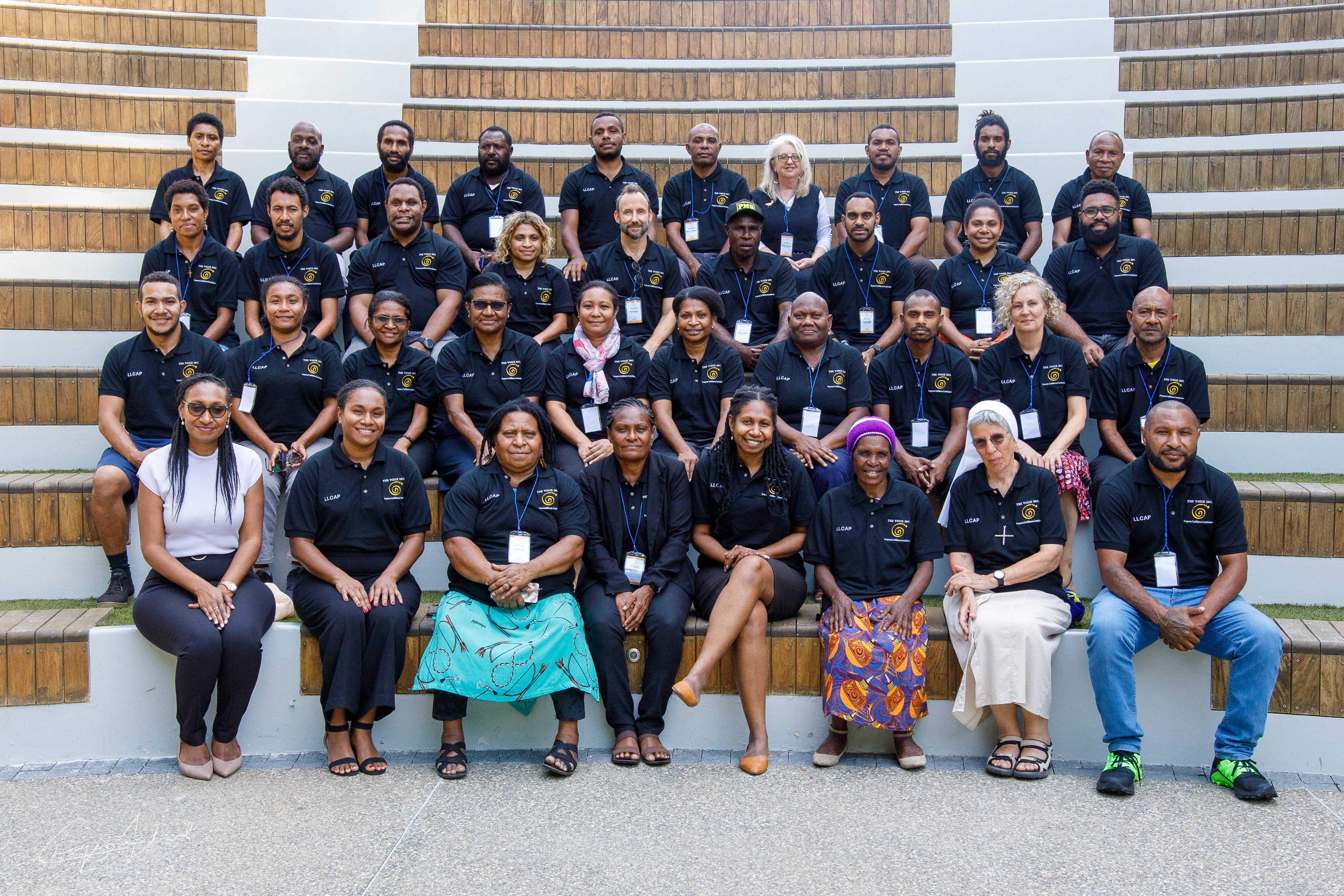
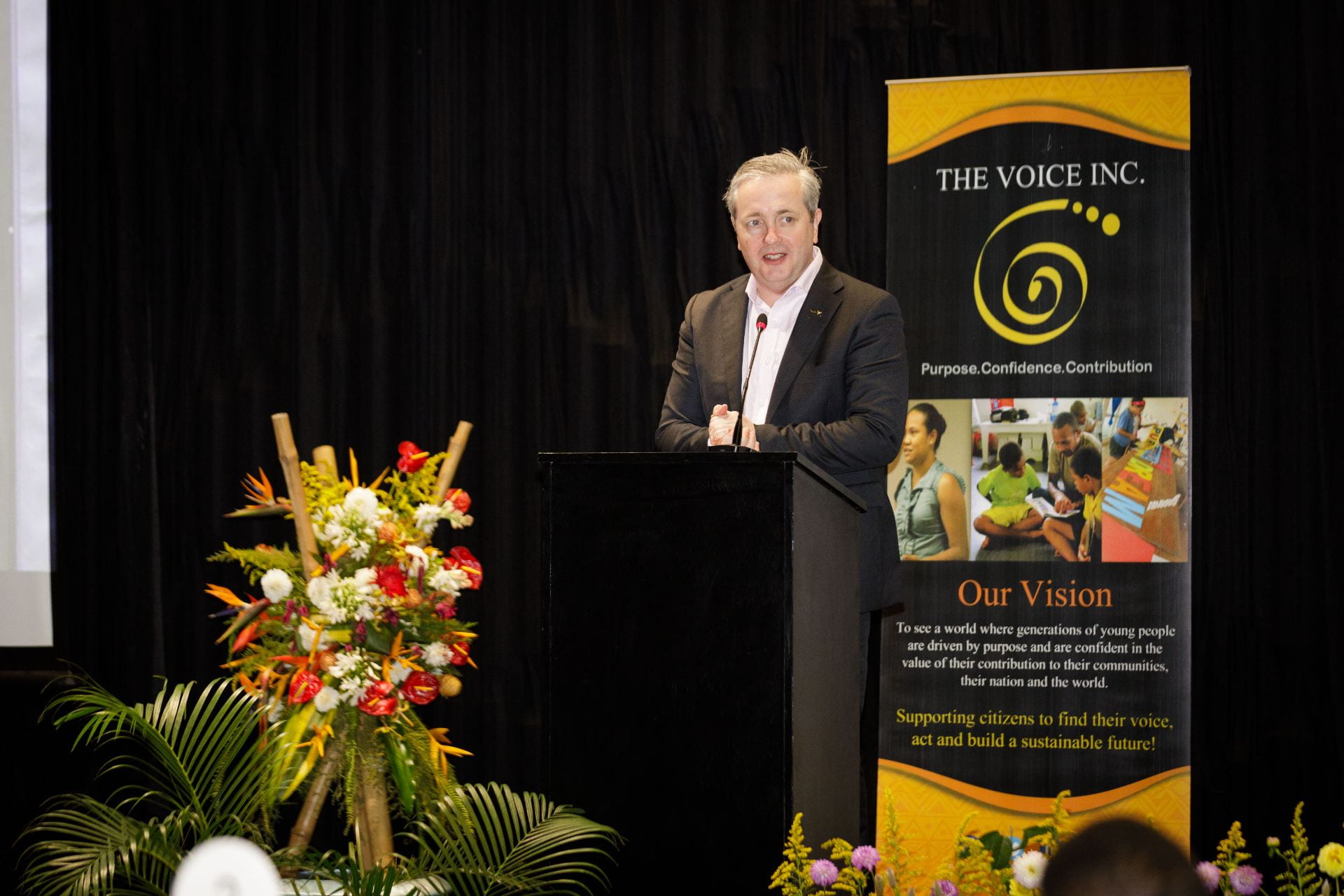
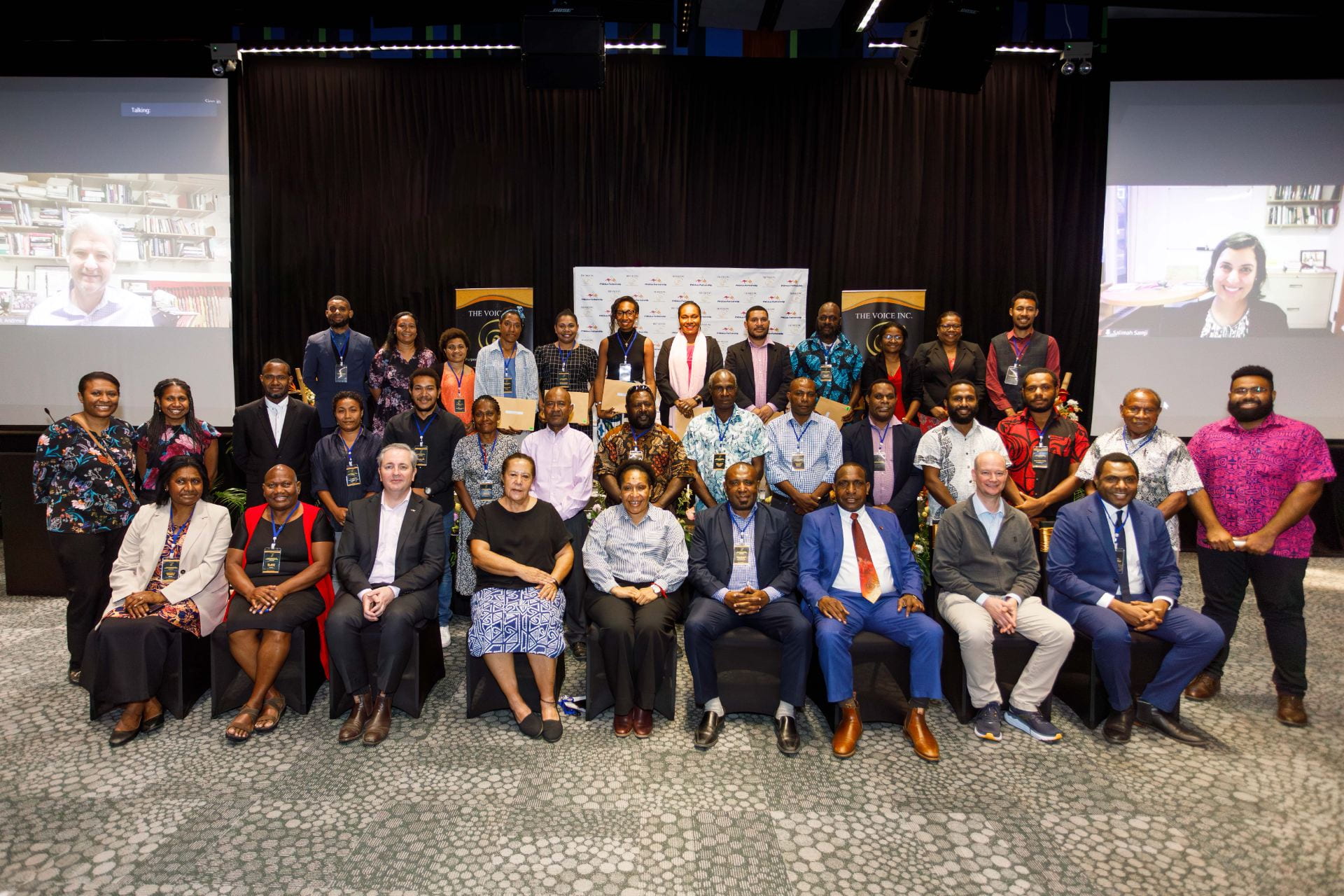
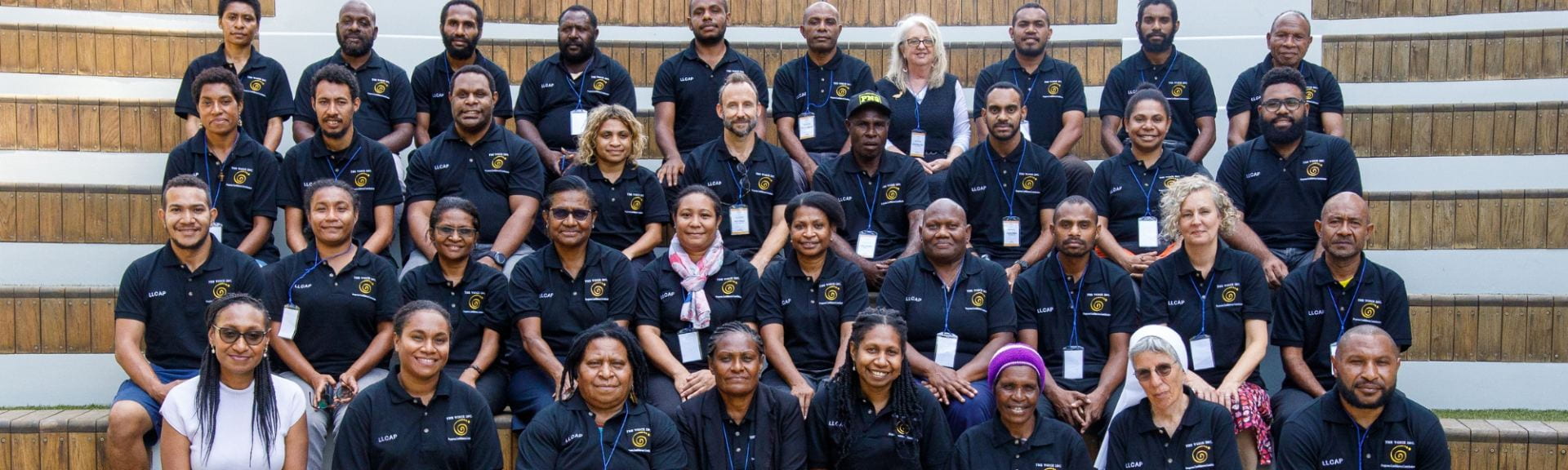
BSC has led four PDIA online action learning programs for The Voice Inc, a Papua New Guinean organization delivering its Australian Government supported Local Leadership & Collective Action Program, to build the capability of local leaders to create broad coalitions for change.

The goal of the program was to build the capability of local leadership to engage in collective action as they learned how to address and solve problems, in teams, through action-oriented work.
142 development leaders across a diverse mix of NGOs, the private sector, and government agencies, have successfully completed the PDIA online training. Across all four cohorts, leaders learned to resist the urge to jump to solutions and instead use a problem-driven approach to uncover what truly sits beneath the surface. They discovered the power of iterative action, where taking small, purposeful steps—and celebrating those wins—creates meaningful momentum. They also emphasized the importance of context, recognizing that effective reforms draw on local realities and locally crafted solutions.
Equally central were the relationships built along the way: teamwork, trust, communication, and strong authorization proved essential for sustained progress. Development leaders highlighted how tools like the fishbone diagram and triple-A analysis helped them better understand their problems and identify actionable entry points. Above all, they consistently shared that PDIA strengthened their adaptability and resilience, equipping them to navigate complex challenges long after the program ends.
Cohort 4: August – November 2025
In August 2025, we launched the fourth PDIA program with a fully virtual kickoff workshop. 44 development leaders across eight teams joined this cohort, representing a diverse mix of NGOs, the private sector, government agencies, TVI, and the education sector. Over twelve weeks, teams worked collaboratively to construct and deconstruct their policy problems, identify actionable entry points, expand their authorization, and iterate through four cycles of experimentation and learning. Along the way, they practiced engaging stakeholders, navigating institutional constraints, and adapting based on real-time insights.
The teams worked on the following problems:
- Labor mobility challenges faced by workers migrating from PNG to Australia and New Zealand
- Limited education and career pathways for athletes
- High youth unemployment
- Spreading and disclosure of confidential information for Sorcery Accusation Related Violence (SARV) victims
- Decreasing incidents of Gender Based Violence (GBV) in safe houses
- Gaps between Early Childhood Education (ECE) policies and implementation at local schools
- High Grade 8 dropout rates across three primary schools
- Students dropping out mid-year
Cohort 3: August – November 2024
In August 2024, Matt Andrews traveled to Papua New Guinea for the kickoff workshop. Read the TVI press release to learn more about this trip. 31 development leaders across 6 teams participated in the third PDIA program. The teams included 4-6 members from TVI, government, NGOs, private sector, and the Catholic Church. Over a period of twelve weeks, they constructed and deconstructed complex problems, and found entry points to take action. While doing so, they learnt the importance of engaging with diverse stakeholders, gaining authorization, and iterating throughout the process to keep moving forward.
The teams worked on the following problems:
- Increase in Sorcery Accusation Related Violence (SARV)
- Poor coordination in Gender Based Violence (GBV) referral pathway
- Ineffective and inefficient youth councils
- Low youth participation in agribusiness opportunities
- Lack of integrity in public procurement systems and processes
- Prevalence of disengaged youth
Cohort 2: August – December 2023
In August 2023, we began to work with a second cohort of 36 development leaders across 8 teams participated in the PDIA program. Over the period of twelve weeks, they learned the following skills: leadership, communication, working in teams, authorization, time management, and how to solve complex problems.
The teams worked on the following problems:
- Youth unemployment and limited participation in labour mobility programs
- Empowering youth through art
- Taxation
- Increased use and abuse of illegal substances by youth
- Sorcery accusation related violence
- Lack of monitoring of the capital investment budget
- ECE education
- Early childhood literacy
Cohort 1: September – December 2022
In September 2022, 31 development leaders across 6 teams participated in the PDIA program. The teams included 4-6 members from TVI, government, NGOs, private sector, and the Catholic Church. Over the period of twelve weeks, they learned the following skills: leadership, communication, working in teams, authorization, time management, and how to solve complex problems.
The teams worked on the following problems:
- Youth unemployment
- Increased use and abuse of illegal substances by youth
- Quality of education in both elementary and higher education
- Decentralization
- Sorcery accusation related violence
Program Feedback
98%
Rated the overall program as very/extremely useful.
100%
Found it professionally as well as personally useful.
Participant Testimonials
“PDIA taught me the value of slowing down, diagnosing problems deeply, and embracing uncertainty.”
Regil Wanwanji, 2025
“This course changed the way I approach problems. I now recognise that meaningful solutions require understanding how the issue affects different people and bringing them into the process.”
Hilton Kapial, 2025
Program-Related Blogs


Program Photos