PDIA to Promote Well-being, Health, and Safety in Helsinki
We have been exploring how the PDIA methodology can effectively be used by city governments.
Project Team
Matt Andrews and Salimah Samji
Project Dates
March 2024 – Present
BSC developed a custom online action-learning program for the city of Helsinki.
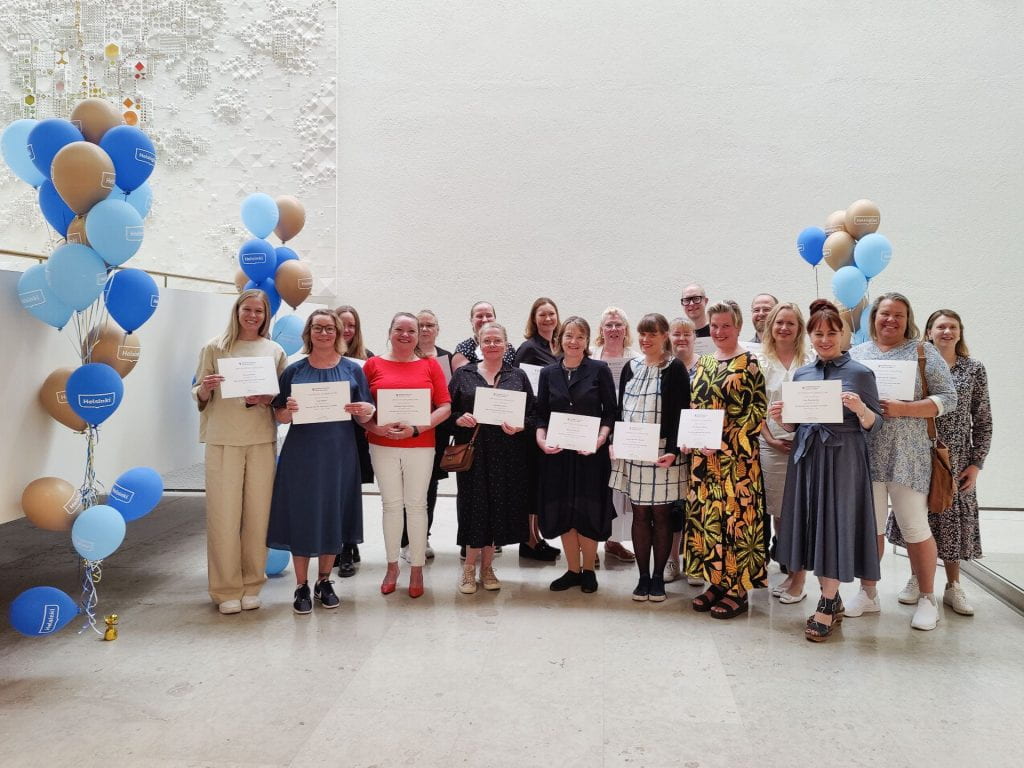
The goal of the program was to build the capability of the city to address and solve problems, in teams, through action-oriented work.
Cohort 2: September 2025 – May 2026
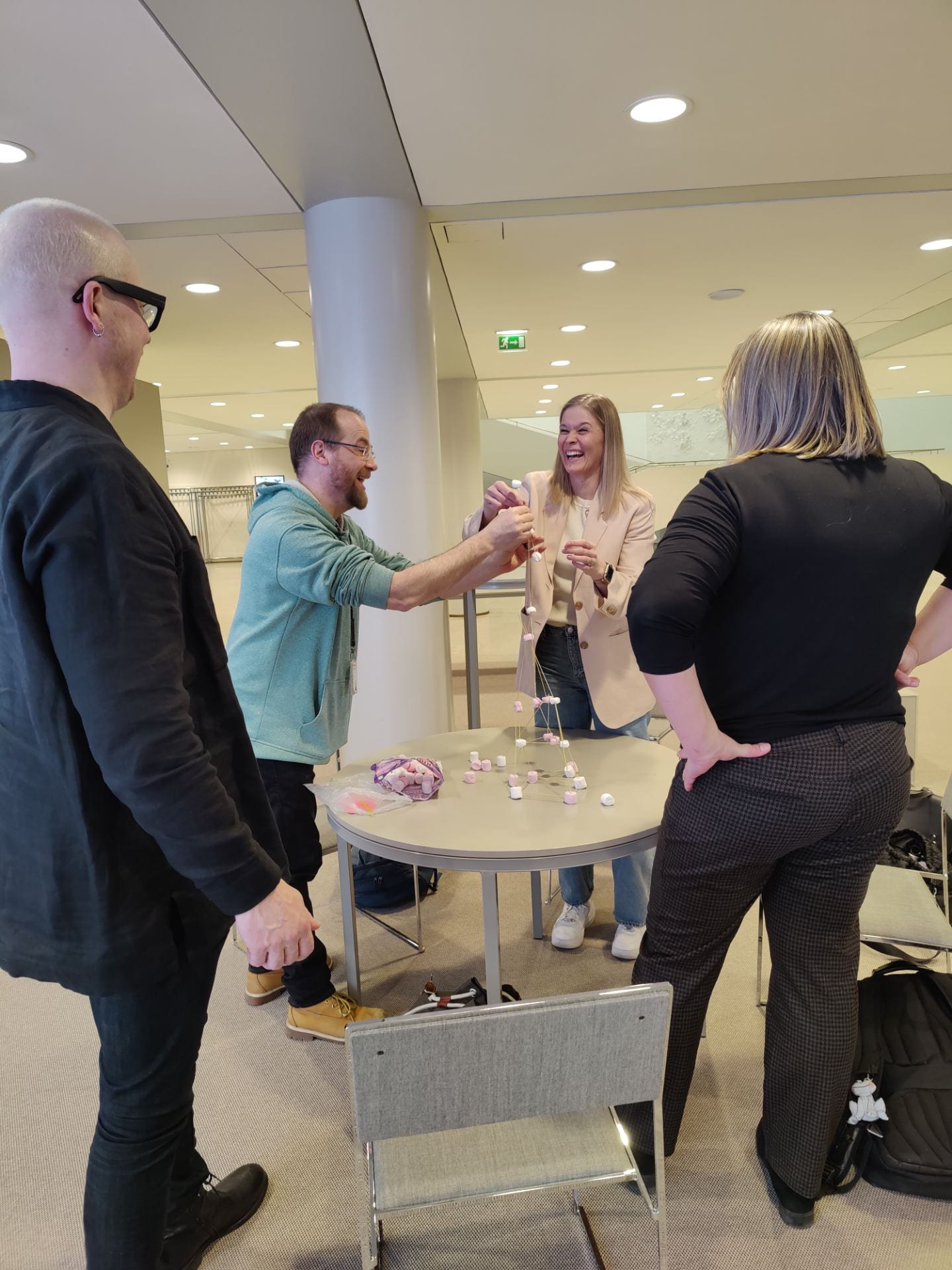
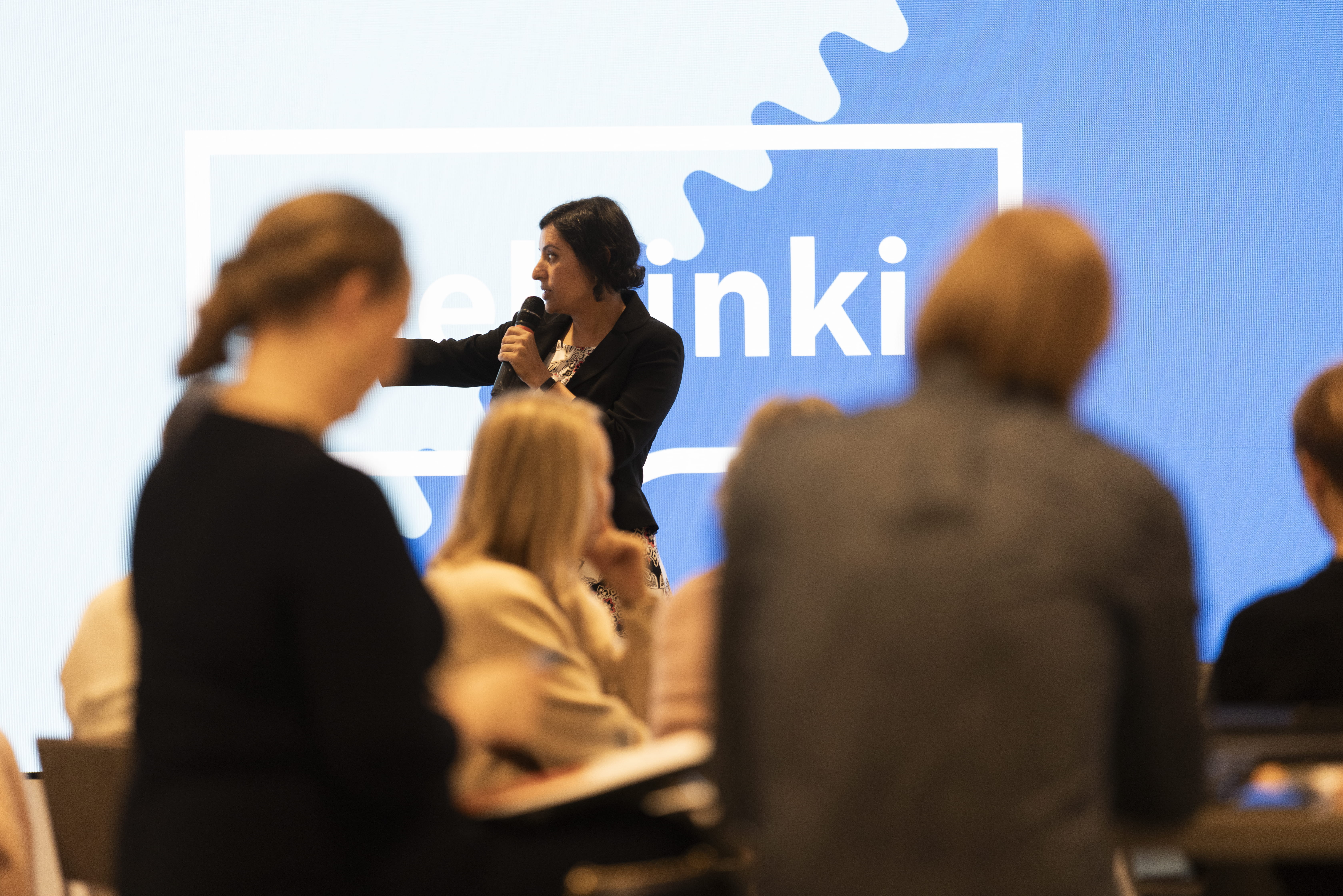
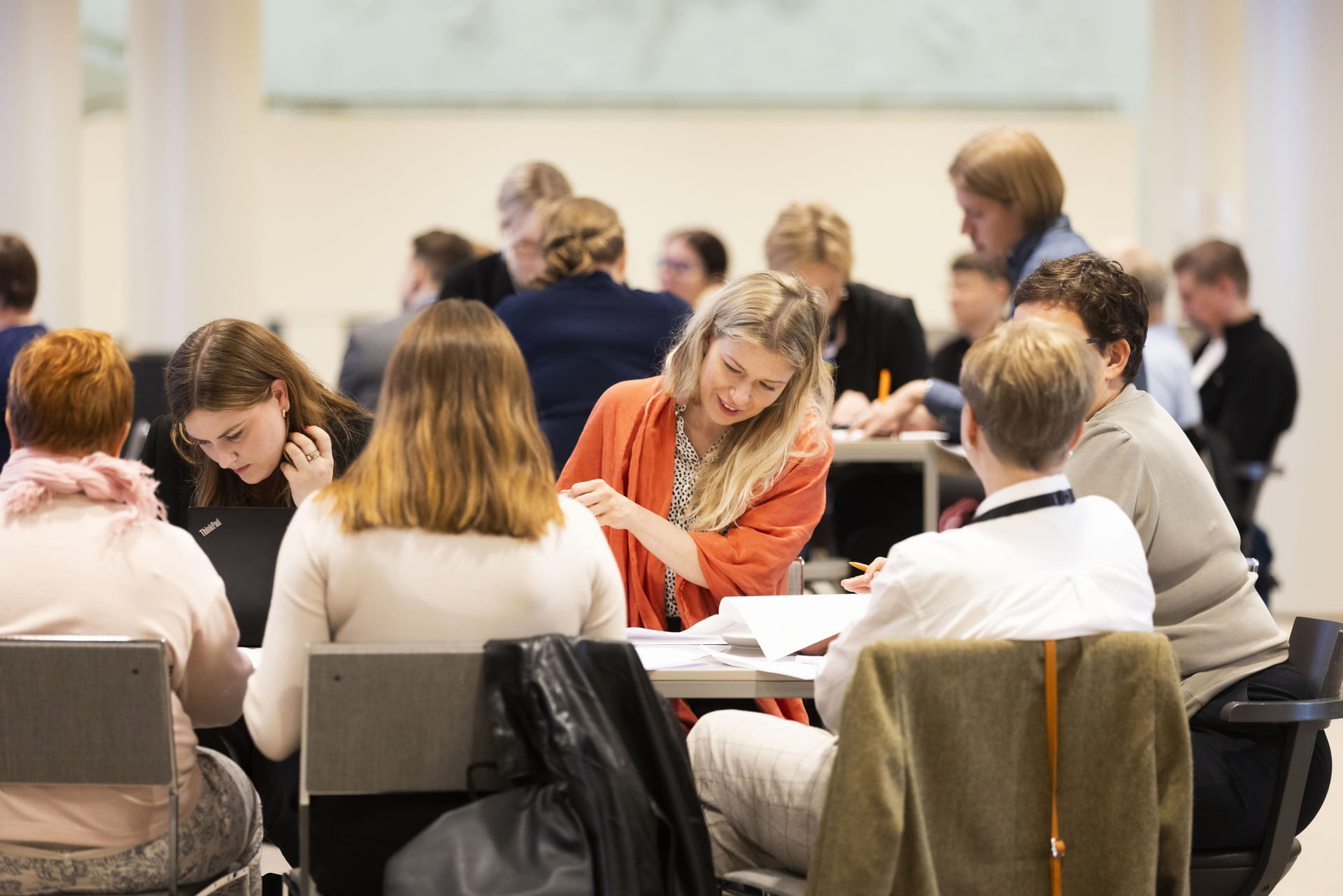
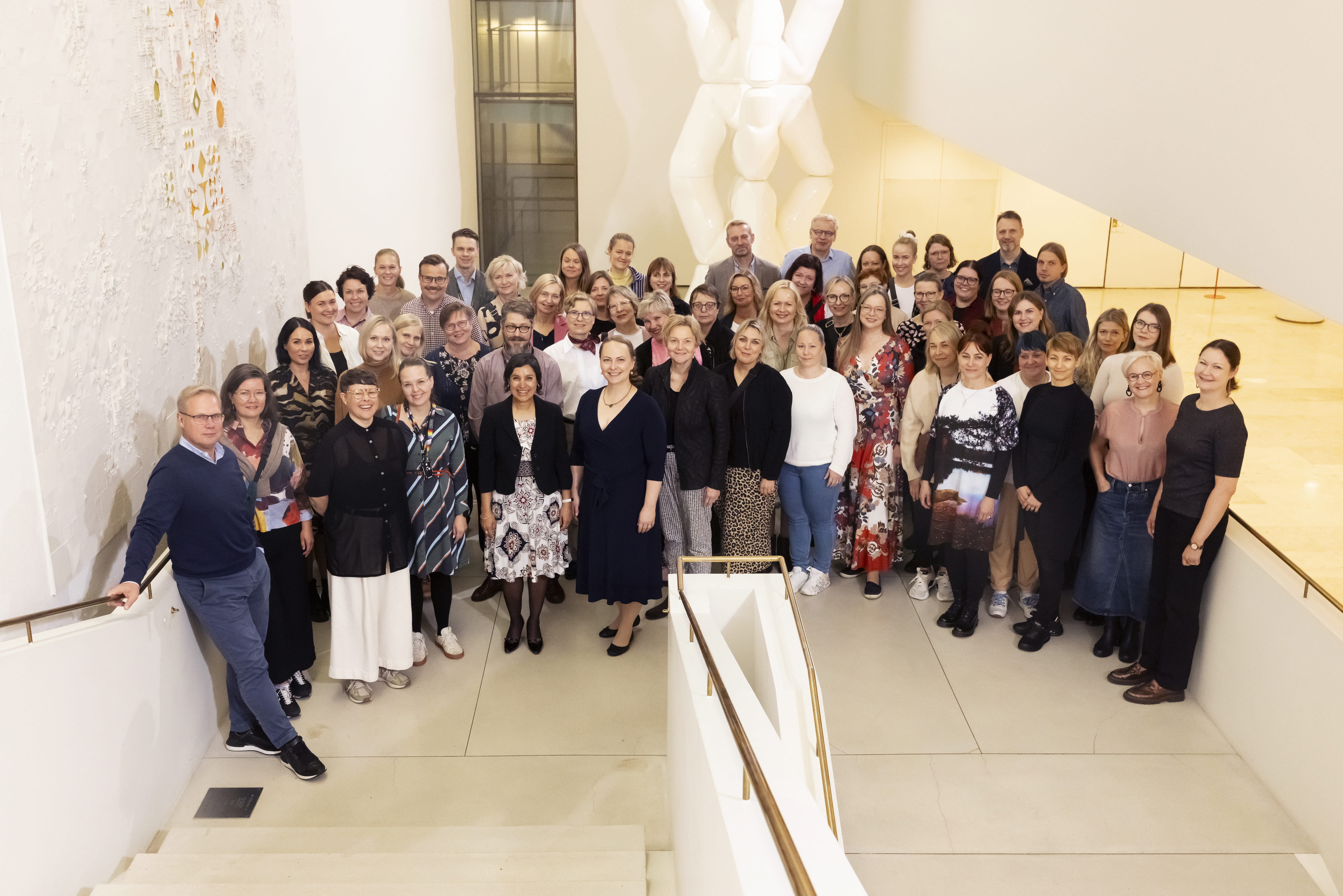
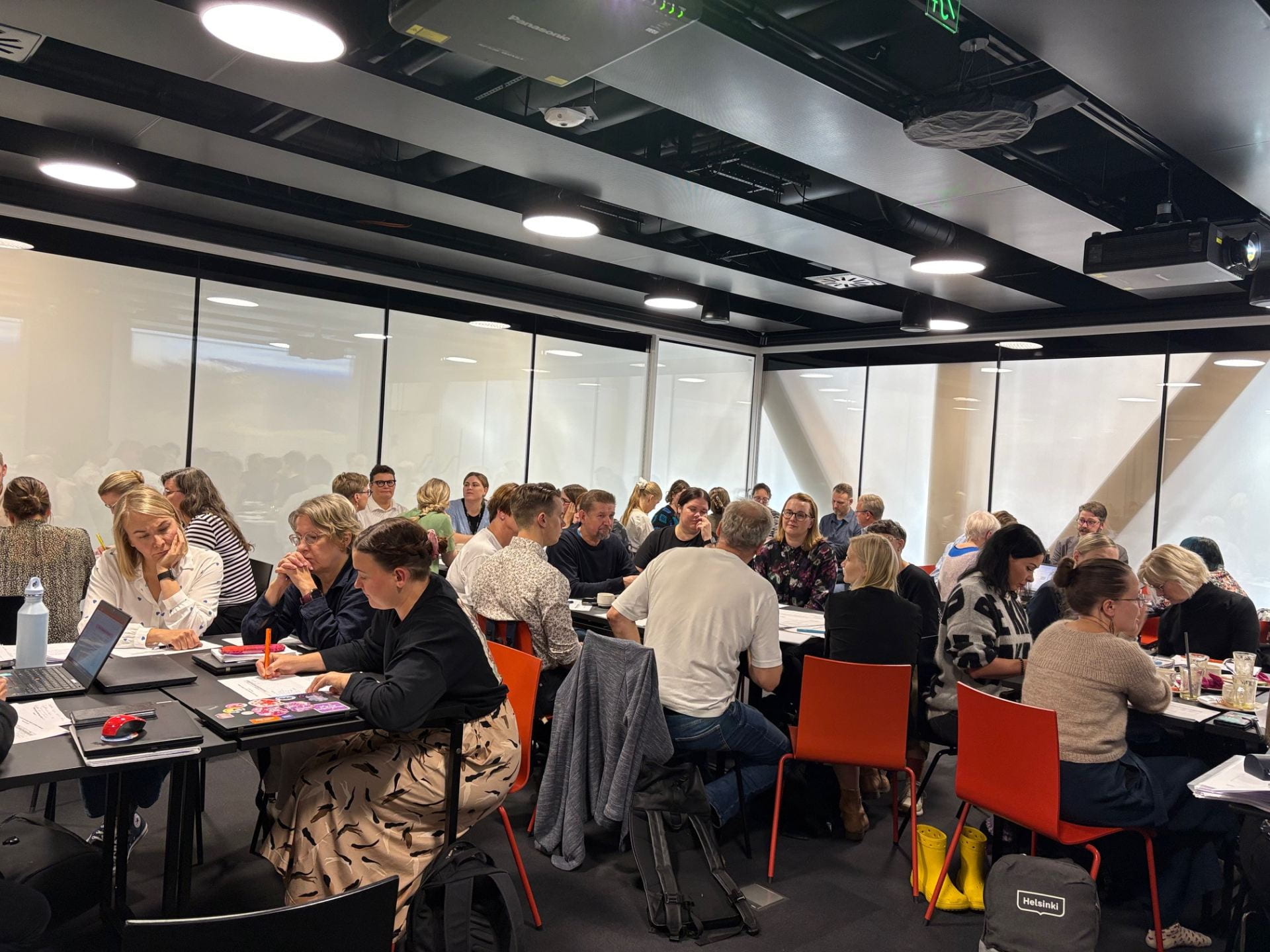
In September 2025, we began a second engagement with the city of Helsinki to build the capability of the life cycle working groups to promote well-being, health, and safety, in the city of Helsinki. 55 city leaders across 8 teams participated in the program kickoff in Helsinki. The program will support the goal setting process, offer a common PDIA approach to working collaboratively across boundaries, and foster a feeling of mutual accountability among the stakeholders. The program will also strengthen leadership skills and provide tools to effectively implement shared goals.
The program has two phases. The first is focused on preparing goals and metrics in accordance with the city strategy in collaboration with partners and municipal residents. The second phase will support the teams to implement their welfare plan and to monitor progress as part of the annual economic and operational plan for the city council term.
Cohort 1: March – June 2024
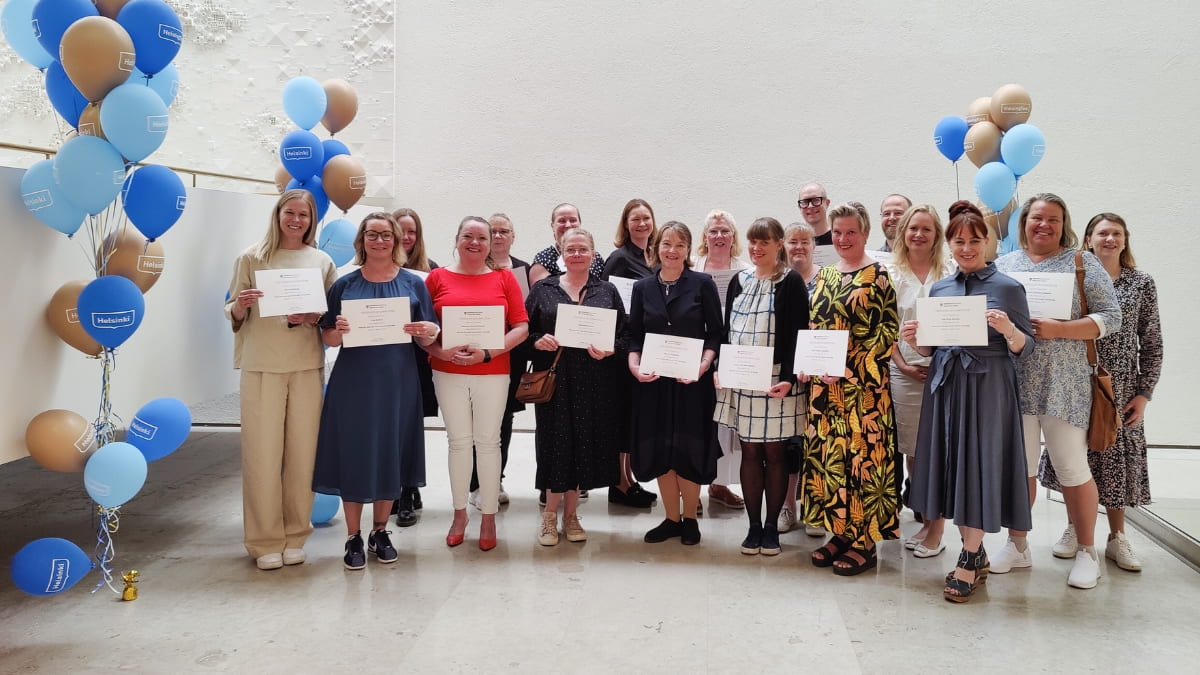
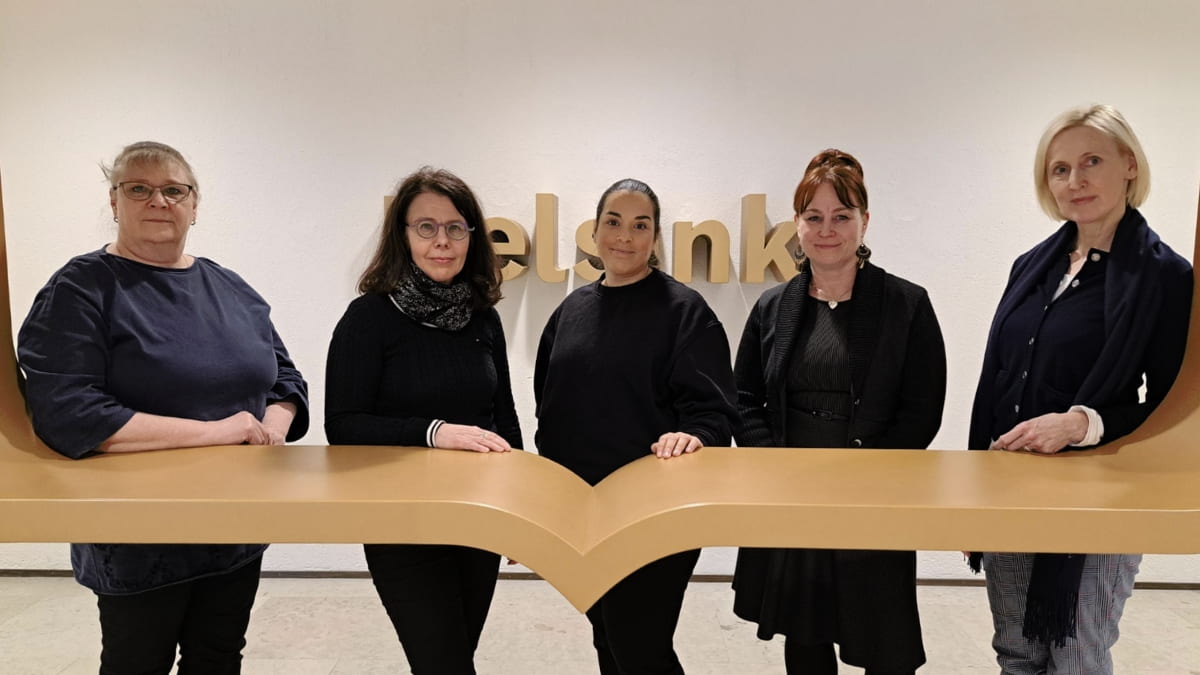
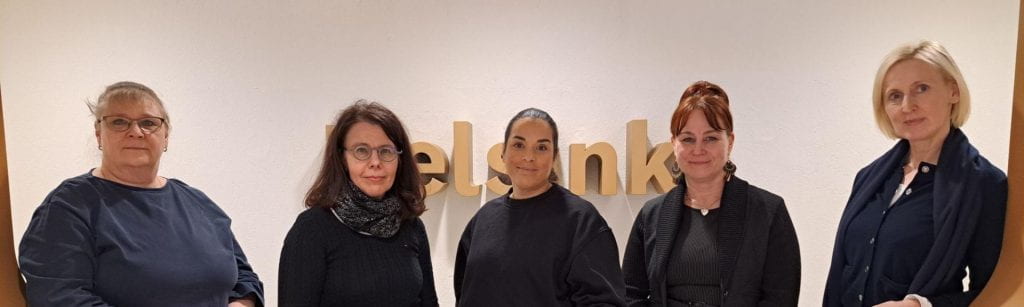
24 city leaders across 5 teams completed a 12-week PDIA online action learning program from March to June, 2024. The teams included 4-5 members from various departments within the city of Helsinki, and other service providers, working on issues related to youth and child safety. They worked on a range of problems and explored a variety of causes including the lack of activities for youth, drug abuse, harassment, lack of social cohesion, insufficient services, disengaged parents, absent fathers, and isolation due to language/cultural barriers.
Over the period of twelve weeks, the teams developed a deep understanding of their problem by collecting data, connecting with new voices, identifying needs, and listening to diverse perspectives. This allowed them to discover sub-causes that were not obvious and gain new insights on their problem. During the action learning phase of the program, the teams took small steps, iterated, and fostered continuous learning. Documenting and celebrating their small wins helped keep the teams motivated.
The teams also built and broadened their network of stakeholders, improved their collaboration skills, and learned that working across silos is necessary to solve complex problems.
Participating city leaders plan to share the tools they learned, continue strengthening their networks and create partnerships for further collaboration. They also plan to work with a regional group of experts in the East and South-East region tasked with addressing issues around youth and child safety.
Participant Testimonials
Team 9 to 5, 2024
Tiina Gustafsson, 2024
Team Kannelmimmit, 2024
Program-Related Blogs
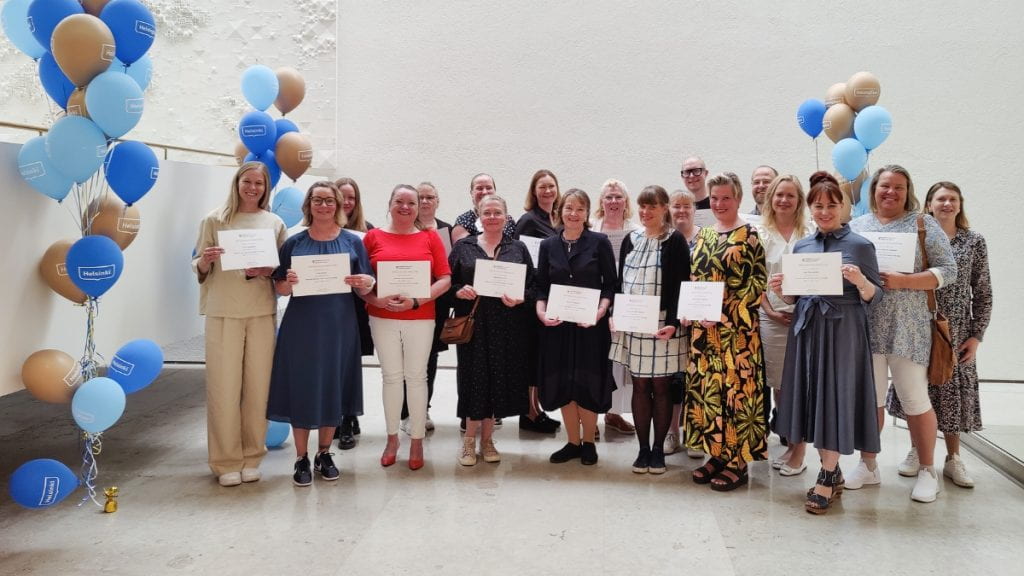
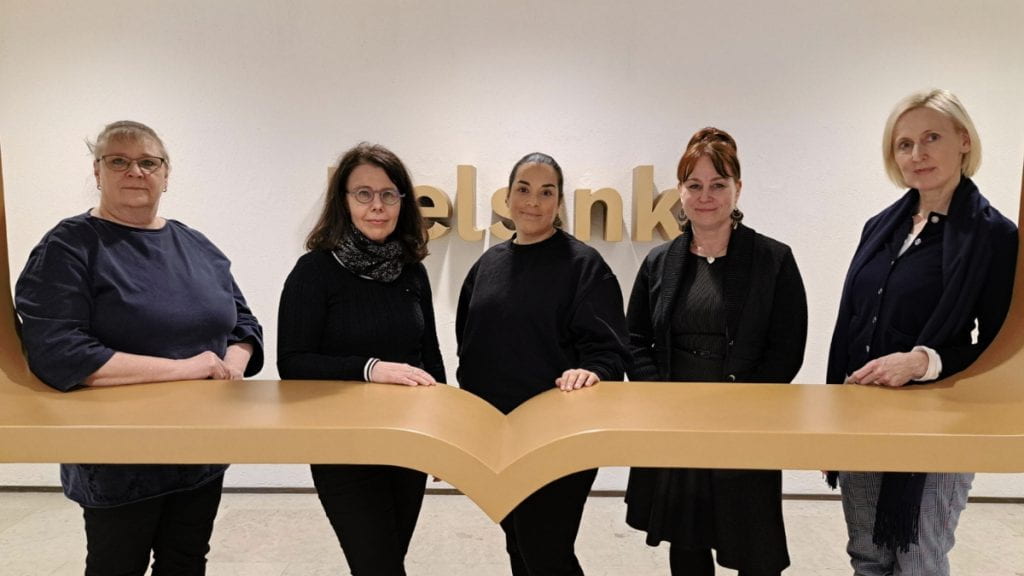

Program Photos